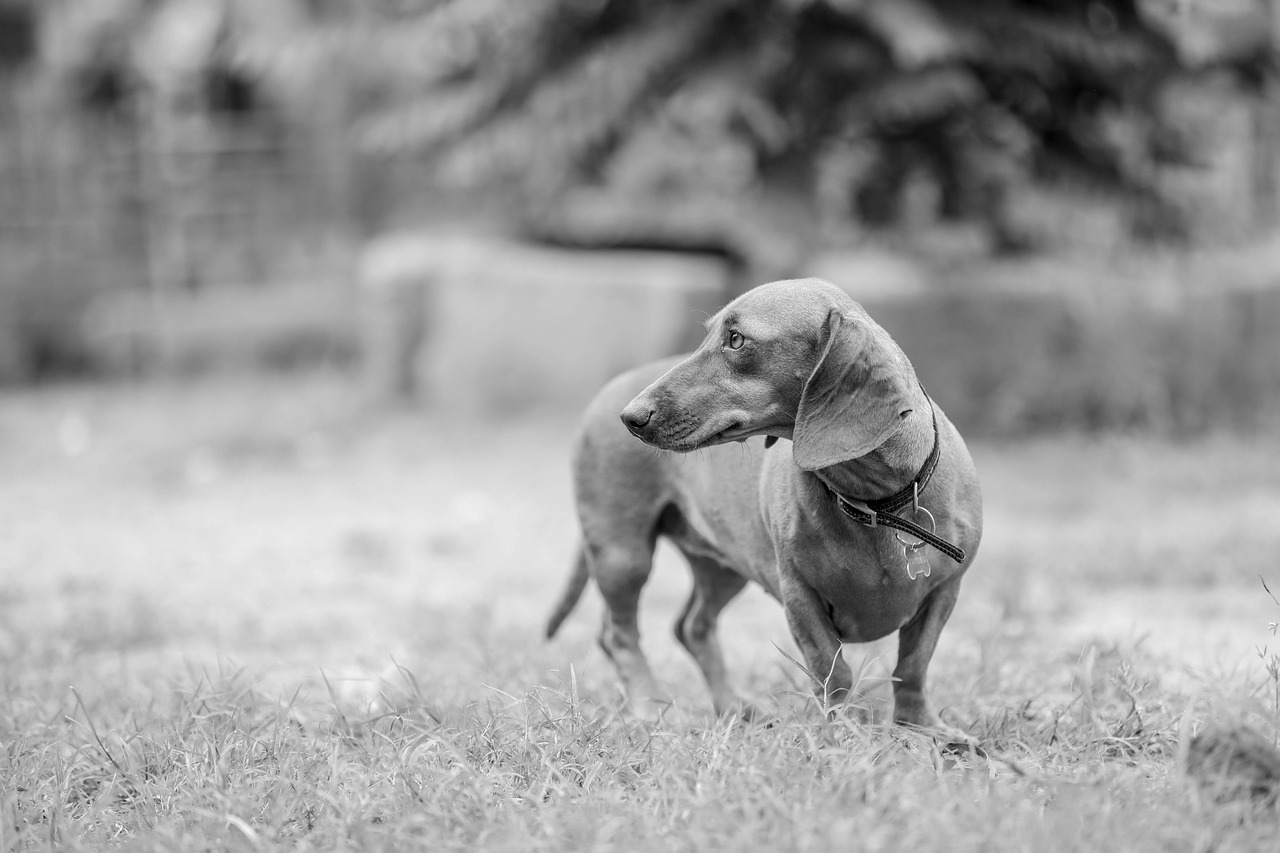
Most French Bulldog puppies reach reliable daytime potty training between 4 and 6 months of age, but full maturity—including sleeping through the night without accidents—often stretches to 8 or 9 months. If you’re asking how long does puppy potty training take, the honest answer is that you’ll see major improvement by month four, but you shouldn’t toss the enzymatic cleaner until after month six. This timeline is longer than for many other breeds because Frenchies combine a small bladder with a famously stubborn streak, which means you’re not just teaching a physical habit—you’re negotiating with a tiny philosopher who has strong opinions about grass.
Why French Bulldogs Take Longer Than Average to Potty Train
[French Bulldogs are not Labrador Retrievers](https://pawsandwhiskerss.online/do-french-bulldogs-potty-train-well/). Labs often nail potty training in 8 to 12 weeks because they’re eager to please and highly food-motivated in a straightforward way. Frenchies are also food-motivated—in fact, they’re basically four-legged vacuum cleaners—but their motivation comes with a catch: they need to decide that the reward is worth the inconvenience of going outside.
The breed’s brachycephalic (flat-faced) anatomy plays a hidden role here. A Frenchie puppy’s respiratory system makes them tire quickly, especially in warm weather. When you take them out at 6 AM and it’s already humid, they may do a quick sniff, decide breathing is too much work, and sit down. They learn to associate outside with discomfort if you’re not careful about timing and temperature.
Additionally, French Bulldogs are companion dogs bred to be near humans. Your puppy doesn’t see the living room as a place to eliminate—they see it as the place where you exist. Their instinct is to hold it until they’re near you, which is great for bonding but terrible for your rug when you’re in the kitchen and they’re in the hallway. This intense attachment means they’re more prone to “excitement peeing” when you come home, which is not a training failure but a breed trait you’ll need to manage.
What’s the Realistic Timeline Month by Month?
Here’s a breakdown of what you can expect, assuming you’re consistent and your puppy is healthy. This is based on typical Frenchie development, not a guarantee—every dog is an individual.
| Age | Bladder Capacity | Typical Progress | Common Setbacks |
|---|
——————
| —————— | —————– |
|---|
1-2 hours max
| Accidents daily; you’re taking them out every 60-90 minutes | They can’t physically hold it longer, so don’t punish |
|---|
2-3 hours
| Starting to signal (circling, sniffing); still unreliable | Excitement peeing when greeting you |
|---|
3-4 hours
| Most daytime accidents stop; night training begins | Regression if you miss a signal or change routine |
|---|
4-6 hours
| Reliable daytime; some dogs sleep through the night | Stubborn refusal to go in rain or cold |
|---|
6-8 hours | Full control; occasional “forgetting” when overstimulated | Marking behavior if not neutered (males) |
The critical takeaway: your Frenchie isn’t being difficult at 10 weeks old—they physically cannot hold urine longer than two hours. Their bladder muscles aren’t developed enough. Pushing them to “hold it” before 12 weeks is setting both of you up for failure.
How to Speed Up Potty Training with Frenchie-Specific Tactics
You can’t shortcut biology, but you can absolutely reduce the timeline by working with your Frenchie’s natural drives. Here’s a step-by-step plan tailored to the breed’s quirks.
Step 1: Use high-value treats only for potty.
Frenchies are food-obsessed, which is your biggest lever. But don’t use their regular kibble as the reward—use something they’d sell their soul for, like small bits of boiled chicken or freeze-dried liver. The moment their paws hit the grass and they eliminate, mark it with a “yes!” and deliver the treat within two seconds. This creates a direct neural link: outside equals chicken. [LINK: french bulldog treat training guide]
Step 2: Manage the heat and breathing issue.
Because Frenchies are brachycephalic, they overheat quickly. If it’s above 75°F (24°C), keep potty breaks short—literally 3-5 minutes—and go to a shaded spot. If your puppy is panting heavily, they’re not focusing on pottying; they’re focusing on breathing. In hot months, consider a potty patch on a balcony or a grass patch indoors as a backup so they don’t learn to hold it out of discomfort.
Step 3: Out-stubborn the stubborn.
Frenchies will test you. Around 4 months, your puppy may suddenly refuse to go outside and instead stare at you with an expression that says, “I’ve reconsidered our arrangement.” Do not give in and let them pee inside—that teaches them that refusing outside leads to an indoor option. Instead, leash them, walk them to the same spot every time, and wait them out for up to 10 minutes. If they don’t go, bring them back inside and crate them for 15 minutes, then try again. This isn’t cruel—it’s showing them that inside is never an option.
Step 4: Crate train for night control.
Frenchies bond intensely, so they may cry in a crate initially. But a properly sized crate (just big enough to stand and turn around) uses their natural den instinct—they won’t want to sleep in their own mess. This is essential for night training. If your puppy is under 12 weeks, set an alarm for every 3 hours to take them out. After 12 weeks, extend to 4 hours. By 5 months, most can make it 6-7 hours overnight.
Step 5: Track water intake like a hawk.
Frenchies are prone to drinking too much too fast, which leads to sudden accidents. Pick up their water bowl 2 hours before bedtime. During the day, offer water in small amounts every 2-3 hours rather than leaving a full bowl out. This doesn’t dehydrate them—it spaces out their bladder filling so you can predict when they’ll need to go.
What to Do When Your Frenchie Regresses (Because They Will)
[Regression is normal around 4-5 months](https://pawsandwhiskerss.online/why-is-my-puppy-potty-training-regression/), and it’s often tied to teething, growth spurts, or simply testing boundaries. You’ll see a puppy who was doing great suddenly start having accidents again. Don’t panic and don’t punish—punishment makes Frenchies anxious, and anxious Frenchies pee more.
Instead, go back to basics for 48 hours: take them out every 2 hours, reward every successful outdoor potty with a jackpot (three treats instead of one), and supervise them indoors like a hawk. Most regressions resolve within a week if you’re consistent.
One specific Frenchie regression trigger is cold or wet weather. Their short coats and flat faces make them hate rain and cold. If your puppy refuses to go out in a drizzle, you’re not dealing with a training failure—you’re dealing with a temperature-sensitive dog. Invest in a dog raincoat or a covered potty area, and always go out with them rather than sending them alone into the yard. Your presence is their motivation.
When Should You Actually Worry About Potty Training?
If your Frenchie is over 6 months old and [still having multiple accidents daily](https://pawsandwhiskerss.online/what-to-do-when-puppy-potty-training-isn-t-working/) despite consistent training, it’s worth investigating. But before you assume behavioral issues, rule out medical causes—Frenchies are prone to urinary tract infections and bladder stones, which can make holding urine painful or impossible.
Signs that warrant a vet visit rather than more training:
- Sudden onset of accidents after a period of being clean
- Straining to pee or producing only small amounts
- Blood in the urine or excessive licking of the genital area
- Drinking and peeing excessively (could indicate diabetes or kidney issues)
If your puppy is otherwise healthy but still struggling, consider that you might be missing their signals. Frenchies have subtle cues—they might just stand by the door, or stare at you, or pace in a circle. They rarely bark to go out. Learn your individual dog’s “I need to go” behavior; it’s often quieter than you expect.
The Role of Neutering/Spaying in Potty Training
Male Frenchies who aren’t neutered may start marking—small, deliberate urine deposits on vertical surfaces—as early as 5-6 months. This is not the same as an accident. Marking is territorial and hormonal, and it won’t be fixed by potty training alone. If you’re seeing your male puppy pee on the couch leg or the wall corner, that’s marking, not a lapse in training.
Neutering typically reduces marking behavior within a few weeks, but it’s not an instant fix. If you’re planning to neuter, talk to your vet about the right timing—for Frenchies, many vets recommend waiting until 6-12 months to allow proper bone and joint development, given the breed’s IVDD (back problem) risk. In the meantime, clean marked spots thoroughly with an enzymatic cleaner and restrict access to areas where marking has occurred.
FAQ
Q: Is it [harder to potty train a French Bulldog](https://pawsandwhiskerss.online/why-is-puppy-potty-training-so-hard/) than other breeds?
A: Yes, slightly. Their stubbornness and heat sensitivity make them slower than eager-to-please breeds like Labs, but their food motivation and desire to be near you work in your favor. Most Frenchies are reliably trained by 6 months with consistent effort.
Q: My 4-month-old Frenchie was doing great and now pees inside every day. What happened?
A: This is likely a regression tied to teething, a growth spurt, or testing boundaries. Go back to a strict 2-hour potty schedule, use high-value treats, and supervise closely. Regressions usually pass within a week if you don’t punish and stay consistent.
Q: Can I potty train my Frenchie using pee pads only?
A: You can, but it’s risky. Frenchies are creatures of habit, and if they learn that soft surfaces indoors are acceptable, transitioning to outdoor-only later is difficult. If you must use pads (e.g., in an apartment during winter), use a grass patch instead so the texture is closer to real grass.
Q: How often should I take my Frenchie puppy out at night?
A: At 8-10 weeks, every 3 hours. At 12 weeks, every 4 hours. By 5 months, most can sleep 6-7 hours without a break. Set an alarm rather than waiting for your puppy to cry—if they’re crying, they’ve been holding it for a while and may already be close to an accident.
Frequently Asked Questions
Q: Is it harder to potty train a French Bulldog than other breeds?
Yes, slightly. Their stubbornness and heat sensitivity make them slower than eager-to-please breeds like Labs, but their food motivation and desire to be near you work in your favor. Most Frenchies are reliably trained by 6 months with consistent effort.
My 4-month-old Frenchie was doing great and now pees inside every day. What happened?
This is likely a regression tied to teething, a growth spurt, or testing boundaries. Go back to a strict 2-hour potty schedule, use high-value treats, and supervise closely. Regressions usually pass within a week if you don’t punish and stay consistent.
Can I potty train my Frenchie using pee pads only?
You can, but it’s risky. Frenchies are creatures of habit, and if they learn that soft surfaces indoors are acceptable, transitioning to outdoor-only later is difficult. If you must use pads (e.g., in an apartment during winter), use a grass patch instead so the texture is closer to real grass.
How often should I take my Frenchie puppy out at night?
At 8-10 weeks, every 3 hours. At 12 weeks, every 4 hours. By 5 months, most can sleep 6-7 hours without a break. Set an alarm rather than waiting for your puppy to cry—if they’re crying, they’ve been holding it for a while and may already be close to an accident.
Related: How to Stop Separation Anxiety Barking in French Bulldogs
Related: Dog Potty Training for French Bulldogs: A Complete Guide
Leave a Reply