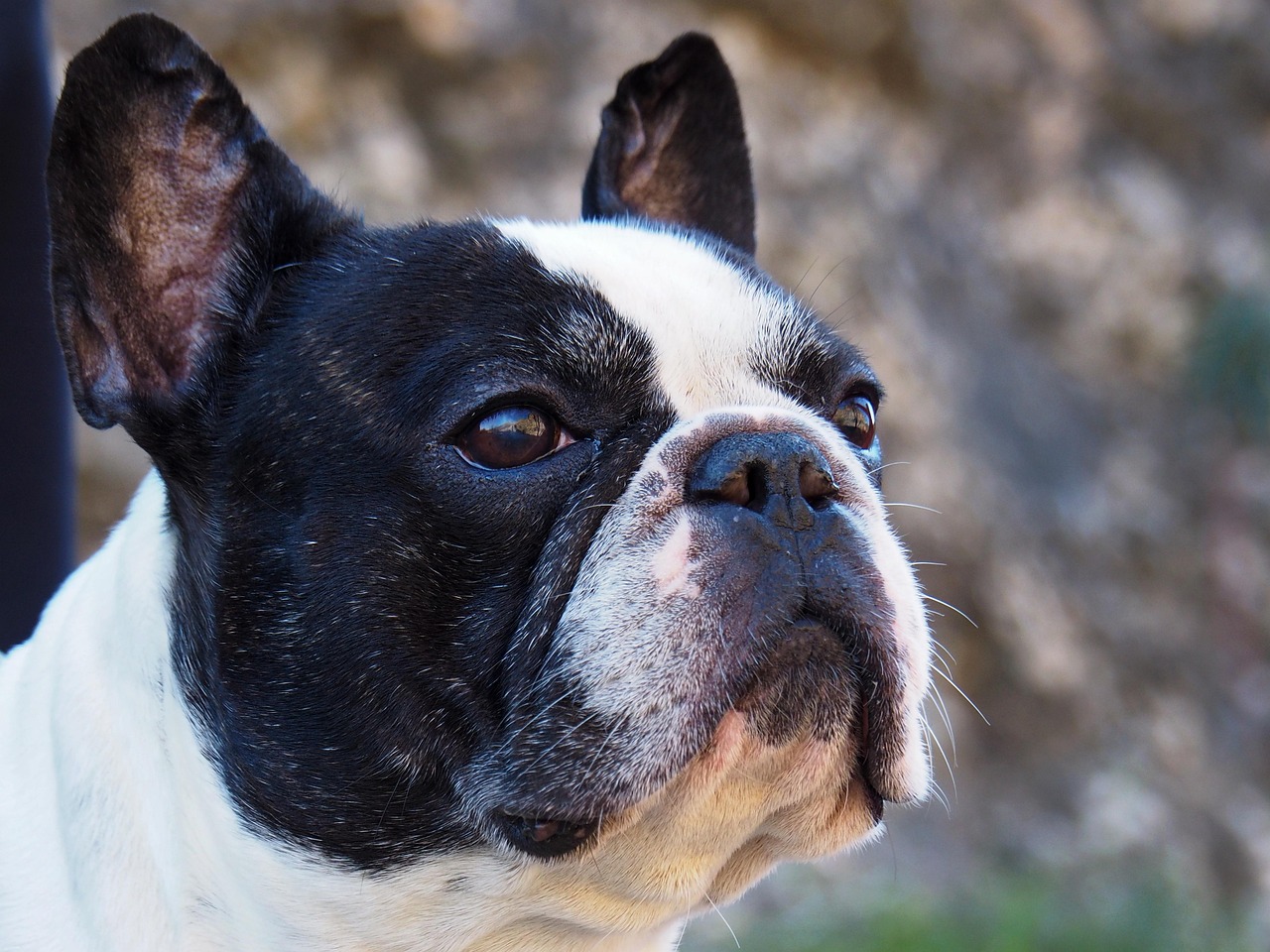
A fluffy Frenchie inherits the same health problems as any other French Bulldog — brachycephalic airway syndrome, heat intolerance, skin fold dermatitis, allergies, and IVDD. The long coat changes none of that. What it does change is grooming workload, shedding, and how quickly skin problems under all that hair go unnoticed.
I’ve had my fluffy boy Otis for four years. He snores like a chainsaw, overheats on a mild spring walk, and needs brushing four times a week whether I feel like it or not. If you’re researching a fluffy Frenchie because you’re worried the coat makes them sicker, here’s the honest answer: it doesn’t. But there’s a lot of noise online, and some of it is designed to sell you a puppy at a premium.
Does the fluffy coat cause health problems?
No. The long coat is a cosmetic trait caused by a recessive long-hair gene. A fluffy Frenchie is still a French Bulldog with a French Bulldog’s health profile. The coat creates grooming and skin-monitoring challenges, not disease.
The trait only shows up when a puppy inherits it from both parents. Two smooth-coated carriers can produce fluffy puppies, which is why breeders sometimes can’t predict a litter. It’s also why no kennel club recognises “fluffy” as a separate breed or variety — the long coat sits outside the breed standard and is treated as a fault in the show ring. That’s a show-ring technicality, not a health verdict.
What the coat genuinely does change:
- Shedding volume. Fluffies shed more than smooth coats, and the hair is longer, so it tangles into tumbleweeds rather than dust.
- Matting risk. Behind the ears, under the front legs, around the collar line and along the belly are the four spots that mat first on Otis.
- Skin visibility. A hotspot, a fold infection or a rash under that coat is easy to miss for days. With a smooth Frenchie you’d spot it in the mirror.
- Drying time. A wet fluffy Frenchie stays damp near the skin far longer, and damp skin plus folds is where trouble starts.
None of those are diseases. They’re management tasks. The distinction matters because breeders charging three or four times the price of a smooth coat sometimes imply you’re buying a hardier dog. You aren’t. You’re buying a dog with more hair.
What health problems do fluffy Frenchies actually get?
Fluffy Frenchies get the same conditions as the wider breed: airway problems, heat sensitivity, skin fold dermatitis, allergies, and spinal issues. Coat length is irrelevant to all of them. What matters is the dog’s individual structure, its lines, and how it’s managed day to day.
Here’s the realistic breakdown, in rough order of how often I see owners dealing with them.
| Condition | What it looks like | Why it matters for fluffies |
|---|
—
| — |
|---|
Noisy breathing, snoring, exercise intolerance, gagging
| Unchanged by coat length; worse in heat, and fluffies overheat faster |
|---|
Heavy panting, reluctance to walk, drooling
| Long coat traps heat; walks need to shift to early morning |
|---|
Red, smelly, yeasty folds on face and tail
| Same folds as any Frenchie, but coat hides body skin issues |
|---|
Paw licking, ear infections, itchy armpits
| Coat makes it harder to see the itch damage |
|---|
Reluctance to jump, yelping, wobbly back end
| Unchanged by coat; keep them lean, limit stair work |
|---|
Cherry eye, ulcers, dry eye | Prominent eyes are a breed trait, not a coat trait |
If you take one thing from this table: the fluffy coat adds grooming and monitoring, not disease. The conditions above are breed conditions. You’d be researching the exact same list for a smooth Frenchie.
Is a fluffy Frenchie less healthy than a smooth one?
No. There’s no evidence the long coat makes a Frenchie less healthy. The genuine ethical problems in this breed are extreme size reduction and colour breeding for novelty — not coat length. A well-bred fluffy from health-tested parents is no more fragile than a smooth-coated littermate.
I want to be blunt about this because the internet is full of two opposite lies. One says fluffies are genetic disasters. The other says fluffies are rare, superior, and worth any price. Both are sales pitches.
The real welfare concerns in French Bulldogs are:
- Extreme miniaturisation. Breeders pushing for ever-smaller dogs compress an already flat-faced, narrow-hipped breed. That’s where breathing and spinal problems compound.
- Colour-first breeding. Chasing exotic colours and patterns while ignoring airway function, spine, and temperament. This happens in smooth coats too.
- Coat length itself. Cosmetic. Recessive inheritance, both parents must carry it, no health consequence.
The question you should actually ask a breeder isn’t “is it fluffy?” It’s “what are the parents’ breathing like at rest, how old are they, and can I see them?” A breeder who can’t answer that is the problem, not the gene.
How much grooming does a fluffy Frenchie coat need?
Plan on brushing three to four times a week, ten minutes a session, plus a proper line-brush every week or two. Baths every four to six weeks. Daily face fold cleaning regardless. Skip this and you’ll be dealing with mats, then shaved patches, then skin infections under the mats.
Here’s my actual routine with Otis, which took about six months to refine:
Daily (5 minutes)
Three to four times a week (10 minutes)
Weekly (20 minutes)
Every four to six weeks
A slicker brush alone won’t cut it. You need a metal comb and you need to get down to skin. That’s the difference between a fluffy Frenchie with a healthy coat and one that gets shaved twice a year.
[LINK: french bulldog skin fold care]
What should I watch for between vet visits?
Watch for changes in breathing at rest, new snoring volume, exercise intolerance, paw licking, head shaking, and any reluctance to jump. For fluffies specifically, run your hands over the body weekly and part the coat to look at skin — you won’t spot problems by eye.
Concrete things I check on Otis:
- Resting breathing rate. Count breaths for 15 seconds while he’s asleep, multiply by four. Know his normal. A jump from his baseline is worth a call.
- Heat check. If he’s panting hard after a ten-minute walk in mild weather, that walk was too much. Fluffies hit their limit faster than smooth coats because the coat traps heat.
- Skin sweep. Once a week, part the coat in six places and look at the skin. Red, greasy, or smelly means a vet visit, not a home remedy.
- Gait check. Any wobble, dragging, or yelping when lifted is a same-week vet call. IVDD doesn’t wait.
- Weight check. Ribs should be easy to feel. Every extra kilo loads a spine that’s already predisposed to problems.
This is general guidance, not medical advice. Breathing changes, spinal symptoms, and skin infections need a vet who can examine the dog. I can tell you what to watch for; I can’t diagnose your dog over a blog post.
Does a fluffy Frenchie overheat more easily?
Yes, in practice. The breed is already heat-intolerant because of its flat face, and a long coat traps more heat. That doesn’t mean fluffies are doomed in summer — it means walks move to early morning and late evening, and midday is for the shade.
Otis’s summer rules, learned the hard way:
- Walks before 8am or after 8pm. Nothing in between.
- Ten to fifteen minutes max on hot days, not the thirty he wants.
- Cooling mat indoors, and a paddling pool he refuses to use but I keep anyway.
- Never in a parked car, even with windows down, even for two minutes.
- Watch for brick-red gums, heavy drooling, or staggering. Those are emergency signs — go straight to a vet.
Heatstroke kills French Bulldogs every summer. The coat raises the risk. Treat hot weather as a scheduling problem, not a willpower problem.
Are fluffy Frenchies more expensive to own?
Yes, mostly because of grooming and the higher purchase price. Expect a significant premium over a smooth-coated Frenchie, with wide variation by colour, pattern, pedigree and breeder. Ongoing costs are modest unless you pay a groomer.
| Cost area | Smooth Frenchie | Fluffy Frenchie |
|---|
—
| — |
|---|
Baseline
| Heavy premium, varies widely |
|---|
Minimal
| Slicker, metal comb, detangler |
|---|
Rare
| Optional, every 6–8 weeks if you don’t DIY |
|---|
Similar
| Similar |
|---|
Breed-typical | Breed-typical — coat doesn’t change this |
I do Otis’s grooming myself. It’s maybe twenty minutes a week plus baths. If you’d rather pay someone, budget for regular appointments, because a matted fluffy Frenchie is a shaved fluffy Frenchie, and shaving a double-ish coat changes how it grows back.
FAQ
Q: Do fluffy Frenchies have more health problems than regular Frenchies?
A: No. They inherit the same breed conditions — airway issues, heat intolerance, skin fold dermatitis, allergies, IVDD. The long coat adds grooming and skin-monitoring work, not disease. A well-bred fluffy is no more fragile than a smooth-coated littermate.
Q: Can two smooth Frenchies produce a fluffy puppy?
A: Yes. The long coat is a recessive trait, so both parents must carry it. Two smooth-coated carriers can produce fluffy puppies, which is why litters sometimes surprise breeders and why carriers look completely ordinary.
Q: How often should I brush a fluffy Frenchie?
A: Three to four times a week for ten minutes, plus a weekly line-brush down to the skin. Focus on behind the ears, armpits, collar line and belly — the four spots that mat first. Baths every four to six weeks, and dry completely.
Q: Is a fluffy Frenchie recognised as a separate breed?
A: No. No kennel club recognises “fluffy” as a breed or variety. The long coat sits outside the French Bulldog breed standard and is treated as a fault in the show ring. It’s a coat variation, not a separate breed.
—INTERNAL_LINKS—
- [LINK: french bulldog skin fold care]: Fits naturally in the grooming routine section, where daily fold cleaning is step one and readers will want a dedicated walkthrough.
- [LINK: french bulldog heat safety]: Placed in the overheating section, which is the highest-risk topic for any Frenchie owner and deserves its own deep dive.
- [LINK: french bulldog IVDD symptoms]: Links from the between-vet-visits checklist, where spinal warning signs are listed and owners need more detail on what to watch for.
Leave a Reply