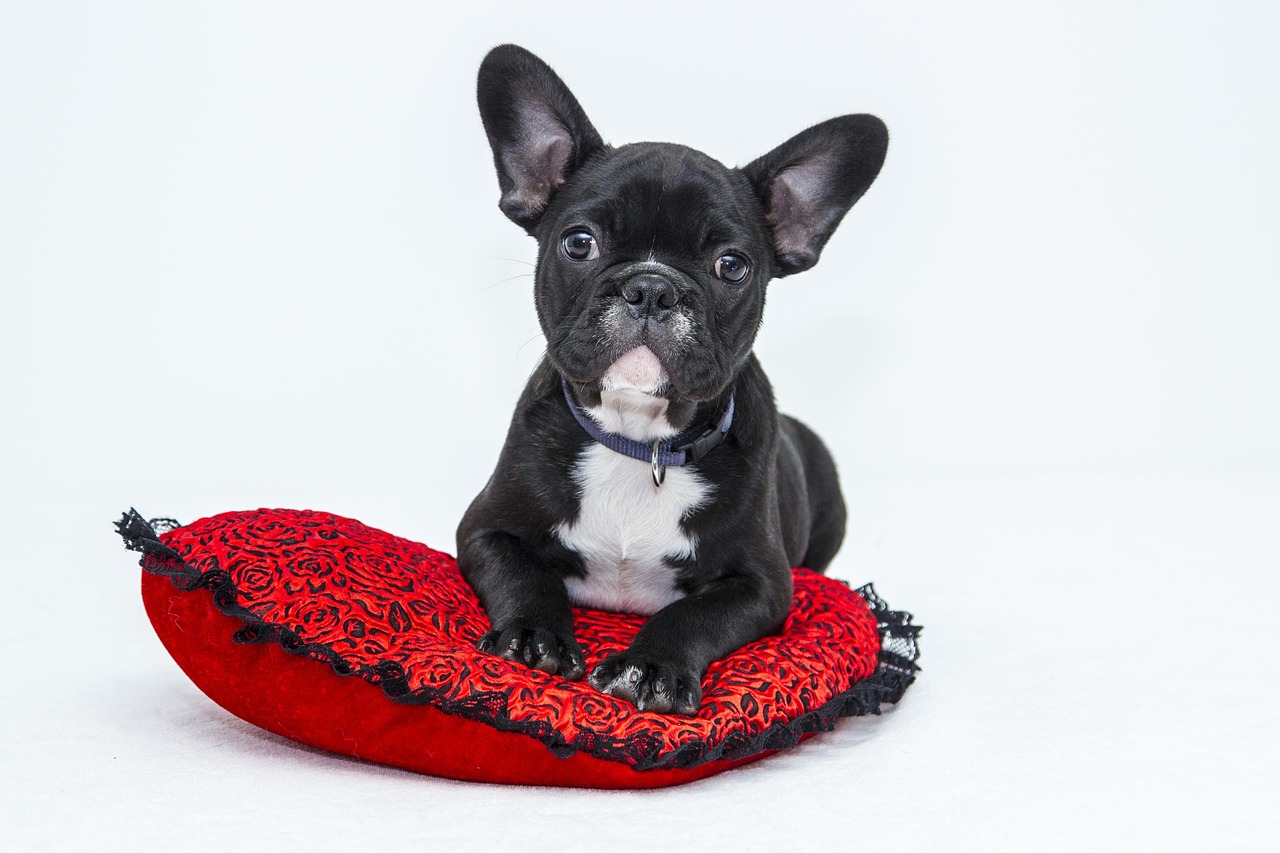
If your French Bulldog shrieks like something is terribly wrong, you’re not imagining it and your dog isn’t broken. The Frenchie “scream” is a real, breed-typical sound: a high-pitched, prolonged, rising screech rather than a normal woof. It comes from a short, narrow airway and a long soft palate that turn ordinary vocal effort into something closer to a siren than a bark. Most of the time it’s excitement, frustration, or drama — not aggression and not a crisis.
That said, screaming sits on a spectrum, and part of owning a Frenchie is learning to tell the ear-splitting happy screech from the one that means “something hurts.” Here’s how to read the difference, what triggers it, and what you can actually do about it.
What exactly is a French Bulldog “scream”?
A Frenchie scream is a high-pitched, drawn-out, often rising vocalization that sounds more like a screech or a squeal than a bark. It happens because the breed’s flattened skull and narrow airway force air through a smaller space, which amplifies pitch and volume when the dog gets aroused.
Think about how a normal dog bark works: air moves through a fairly open throat and mouth, and the sound comes out as a short, rounded “woof.” Now picture the same vocal effort in a dog with a shortened muzzle, a narrow windpipe, and a soft palate that’s proportionally too long for the mouth. The air has to push through a tighter channel. The result is thinner, higher, and much more piercing — and because Frenchies often hold the sound longer when they’re aroused, it stretches into that unmistakable scream.
The long soft palate matters here too. In flat-faced breeds it can partially obstruct the back of the throat, so the dog is effectively vocalizing through a partly narrowed tube. That’s also why the scream often has a raspy or strangled edge to it rather than a clean tone.
None of this is a training failure. It’s anatomy plus temperament. Frenchies are dramatic, intensely bonded companion dogs, and they have a lot to say about it.
When is screaming normal for a French Bulldog?
Screaming is normal — and common — during high-arousal moments: greeting a favourite person, play that’s ramping up, anticipation of food, nail clipping, or being picked up in a way the dog doesn’t like. A happy Frenchie scream is short-lived and stops once the excitement settles.
The tell is recovery. A normal excitement scream ends when the trigger ends. Your dog sees you come home, shrieks, wiggles, and within a minute or two is back to normal breathing and normal behaviour. That’s drama, not distress.
Common normal triggers include:
- You walking through the door. The reunion screech is practically a breed signature.
- Play escalation. Frenchie play can get loud fast, and the scream often shows up right at the peak.
- Nail trims and grooming. Many Frenchies scream through nail clipping even when nothing is hurting them — it’s protest and anticipation, not necessarily pain.
- Seeing a favourite person or dog. Excitement screaming at the sight of someone they love is extremely common.
- Being picked up. Frenchies are heavy-fronted and short-backed, and a hand under the armpits or a scoop that twists the spine can produce a genuine complaint. Pick them up with one hand supporting the chest and one under the hindquarters.
If your dog screams at these moments and recovers quickly, you’re dealing with breed-typical vocalizing. If you want the fuller picture of how Frenchie sounds compare to each other, the breed’s barking patterns are worth understanding separately from the scream.
How do I tell a Frenchie scream from a yelp of pain?
A pain yelp is sudden, sharp, and short, and it’s followed by a change in behaviour — flinching, guarding a body part, reluctance to move, or a hunched back. An excitement scream is longer, rises and falls, and the dog keeps doing whatever they were doing.
This is the single most useful distinction for a Frenchie owner, because the breed is prone to back problems (IVDD) and to skin fold issues, and both can produce genuine pain vocalizations that get dismissed as “just being dramatic.”
| Feature | Excitement / protest scream | Pain yelp |
|---|
—
| — |
|---|
Prolonged, drawn out
| Short, sharp, abrupt |
|---|
Rises and falls, often repeated
| Single spike, then silence or whimpering |
|---|
Wiggly, forward, engaged
| Stiff, hunched, guarding, flinching |
|---|
Back to normal within a minute or two
| Lingering, reluctant to move or be touched |
|---|
Greeting, play, nails, crate, being picked up | Often no obvious trigger, or a specific touch |
If a scream comes with any change in breathing — noisier breathing than usual, more effort, a bluish tinge to the tongue or gums, or a dog that can’t settle — treat it as a veterinary question, not a training one. Frenchies don’t have much airway margin, and a sudden new scream paired with breathing changes is exactly the situation where you call your vet rather than wait it out.
Is it a scream, a reverse sneeze, or a wheeze?
A reverse sneeze is a rapid, snorting, inward series of honks that lasts seconds to a minute and stops on its own. A wheeze is a continuous whistling or rasping on breathing. A scream is a deliberate, voiced sound the dog is producing on purpose — usually with their mouth open and their attention on something.
Owners mix these up constantly, and it matters because the responses are different. A reverse sneeze usually resolves if you gently stroke the throat or calm the dog; it’s harmless in most cases but worth mentioning to your vet if it becomes frequent. A wheeze is a breathing sound, not a vocalization, and persistent wheezing in a flat-faced breed deserves a proper airway assessment — the underlying mechanics are covered in more depth in the breed’s breathing problems.
A scream, by contrast, is communication. Your dog is telling you something: excitement, frustration, protest, or occasionally pain. The sound itself is louder and more “voiced” than either of the other two.
What sets French Bulldogs off specifically?
Breed-specific triggers tend to cluster around confinement, handling, and heat. Crate frustration, being picked up awkwardly, and overheating are the three most common reasons a Frenchie escalates from whining to full scream.
The crate. Frenchies bond hard and often protest confinement loudly. A dog that screams in the crate is usually not in pain — they’re objecting to being alone or contained. That said, crate screaming has its own playbook, and it’s worth handling deliberately rather than just waiting for it to stop.
Handling. Because of their build, Frenchies are easy to pick up badly. A scoop under the front legs alone can tweak the spine. If your dog screams specifically when lifted, change your technique before assuming anything else.
Heat. Flat-faced dogs don’t cool efficiently, and a hot, panting, distressed Frenchie can vocalize in a way that sounds like screaming. If the scream happens on a warm day or after exertion and comes with heavy panting, get the dog cool and shaded immediately. Heat is a genuine emergency in this breed, not a training issue.
Frustration and demand. Frenchies learn fast that screaming gets a reaction. If screaming reliably produces attention, food, or a door opening, it will continue. Demand barking and demand screaming work the same way — and ignoring it badly can backfire, so the timing of your response matters.
How do I reduce the screaming?
Reduce screaming by managing the triggers first, then rewarding quiet. Identify what sets off the screech, lower the intensity of that situation, and pay your Frenchie for silence — never for the scream itself.
Concrete steps, in order:
Expect weeks, not days. The scream is a well-practised habit by the time most owners look into it, and habit change is slow. If screaming is paired with any breathing change, a sudden new onset, or signs of pain, stop the training plan and get a vet to examine your dog first — general guidance can’t rule out an airway or spinal problem, and with this breed that check is worth doing early.
Frequently Asked Questions
Q: Why do French Bulldogs scream instead of barking?
French Bulldogs scream rather than bark because their flat-faced anatomy — a short, narrow airway and an overly long soft palate — turns ordinary vocal effort into a high-pitched, prolonged screech. It’s a breed-typical sound, usually driven by excitement, frustration, or protest rather than aggression.
Is it normal for a French Bulldog to scream when excited?
Yes. Excitement screaming at greetings, play, and food anticipation is very common in the breed. The key sign it’s normal is quick recovery — the dog settles within a minute or two and breathes normally afterward.
How can I tell if my Frenchie’s scream means pain?
A pain yelp is short, sharp, and sudden, and it’s followed by a change in behaviour — flinching, guarding, a hunched back, or reluctance to move. An excitement scream is longer, rises and falls, and the dog returns to normal quickly. Any scream with breathing changes should be checked by a vet.
Should I ignore my French Bulldog when it screams?
Ignore the scream itself, but reward the quiet that follows it. Waiting for even a couple of seconds of silence and then treating teaches your Frenchie that calm behaviour pays — which suits a food-motivated breed well. Simply ignoring without rewarding quiet tends to drag the behaviour out.
Why does my French Bulldog scream in the crate?
Crate screaming is usually protest about confinement or being alone, not pain. Frenchies bond intensely and object loudly to separation. Build crate comfort gradually with short sessions and high-value treats, and don’t open the door while the screaming is at its peak.
Leave a Reply