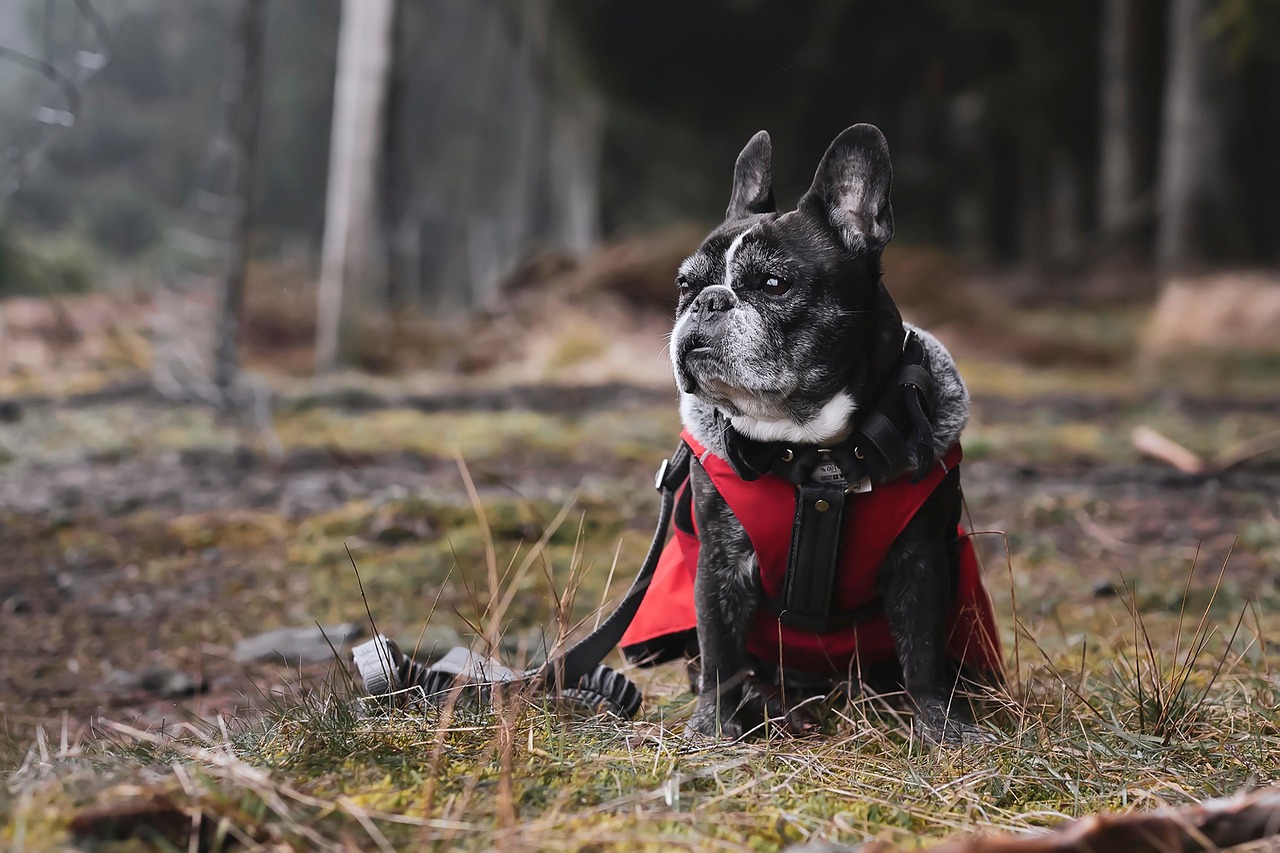
Yes, French Bulldogs have breathing problems because their flat faces compress the upper airway, leaving less room for air to flow through their nostrils, throat, and windpipe. This is called Brachycephalic Obstructive Airway Syndrome (BOAS), and it’s the reason your Frenchie snorts, snores, and pants harder than other dogs. The breed’s shortened skull doesn’t just affect looks—it physically narrows the passages they need to breathe, and that’s a lifelong reality for most of them.
What exactly causes the breathing issues?
The problem starts with the skull. French Bulldogs are brachycephalic, meaning their head bones are shorter than a typical dog’s, but their soft tissue (palate, tongue, and throat muscles) didn’t shrink to match. This mismatch creates a few specific physical obstructions:
| Obstruction | What it does |
|---|
————–|
| Stenotic nares (pinched nostrils) | Slits instead of open holes, making inhaling hard work |
|---|
The soft tissue at the roof of the mouth hangs too far back, partially blocking the windpipe |
| Hypoplastic trachea | A windpipe that’s narrower than normal, limiting airflow to the lungs |
|---|
Small sacs inside the throat get sucked into the airway during heavy breathing, narrowing it further |
Not every Frenchie has all four issues, but most have at least two. The severity varies from dog to dog—some only snore at night, while others struggle after a short walk. If you’re unsure where your dog falls, pay attention to how they recover after mild exercise.
How do I know if my Frenchie is struggling to breathe?
You’re looking for signs beyond normal snorting. A Frenchie that’s genuinely struggling will show these signs:
- Gum color change: Pale, bluish, or gray gums mean they’re not getting enough oxygen—this is an emergency
- Excessive panting that doesn’t stop: Panting for more than 10 minutes after a cool, short walk is a red flag
- Cyanotic tongue: A blue or purple tint to the tongue, not just the normal pink
- Refusing to move: If your Frenchie plants their feet and won’t walk, they’re telling you they can’t breathe well enough to continue
- Gagging or retching: Especially after eating or drinking, this can signal the soft palate is blocking the windpipe
The tricky part is that Frenchies are stubborn. They’ll keep going even when they’re struggling because they want to be with you—they’re companion dogs to their core. You have to be the one to call it quits, not them. If your Frenchie shows any of these signs, stop the activity immediately and let them rest in a cool, quiet spot. This is general guidance, not medical advice—if symptoms persist, you need a vet to assess the severity of their BOAS.
What makes their breathing worse day to day?
Heat and excitement are your Frenchie’s two biggest enemies. Their flat faces make it hard to pant efficiently, and panting is how dogs cool down. When a Frenchie gets hot, they pant harder, which causes the throat tissue to swell, which makes breathing even harder—a vicious cycle.
- Heat: Anything above 20°C (68°F) with humidity is risky for a Frenchie. Avoid midday walks in summer entirely
- Excitement: When your Frenchie gets worked up—greeting visitors, seeing a squirrel—their breathing rate spikes, and the narrowed airway can’t keep up
- Obesity: Extra fat around the chest and neck compresses the airway further. Keeping your Frenchie lean is one of the most effective ways to reduce breathing strain
- Collars: A collar pressing on the throat makes breathing worse. Use a harness instead—it’s a simple change that makes a real difference
Can surgery fix their breathing problems?
Yes, but it’s not a cure-all. BOAS surgery (called nares resection and soft palate shortening) widens the nostrils and trims the excess soft palate. Many Frenchies breathe noticeably better after surgery, snore less, and tolerate exercise better. It’s most effective when done early—many vets recommend it between 4 and 12 months of age, before the airway tissues thicken further.
However, surgery doesn’t fix the narrow windpipe, and it doesn’t make your Frenchie a normal-breathed dog. They’ll still be heat-sensitive and will still need careful management. The surgery reduces risk but doesn’t eliminate it. This is a significant procedure that requires anesthesia, which is riskier for brachycephalic breeds, so you need a vet experienced with French Bulldogs—not just any clinic.
How should I manage a Frenchie with breathing problems?
You can’t change their anatomy, but you can control their environment. Here’s a practical daily routine:
Frenchies are food-motivated, which makes training them to stay calm easier than you’d think. Use small, soft treats to reward calm behavior around triggers like doorbells or leashes. Their stubborn streak means you need patience, but the payoff is a calmer, better-breathing dog.
When is breathing trouble an emergency?
If your Frenchie collapses, has blue gums, or is making loud, labored breathing sounds that don’t stop after 5 minutes of rest, this is an emergency—get to a vet immediately. Heatstroke in Frenchies progresses fast, and waiting to see if they recover can be fatal. Learn your dog’s normal breathing sounds, because what’s normal for one Frenchie might be distress for another. You know your dog best—if something feels off, trust that instinct.
Frequently Asked Questions
Q: Do all French Bulldogs have breathing problems?
Not all, but most do to some degree. The breed standard flat face causes some airway narrowing in nearly every Frenchie. Severity ranges from mild snoring to significant exercise intolerance. Some are lucky and breathe fairly well, but every Frenchie owner should know the signs of breathing distress.
Can French Bulldogs die from breathing problems?
Yes, in severe cases. Heatstroke triggered by breathing difficulty is a leading cause of death in French Bulldogs. They can also collapse from oxygen deprivation during extreme exercise or excitement. This is why managing heat exposure and knowing emergency signs is critical for every owner.
Do French Bulldog breathing problems get worse with age?
Often yes. As Frenchies age, they may gain weight, which adds pressure on the airway. The throat tissues also thicken over time. Many owners notice their Frenchie’s snoring and breathing effort increases in their senior years. Regular weight management helps slow this progression.
Can I fly with my French Bulldog?
Most major airlines have banned brachycephalic breeds from cargo holds because of breathing-related deaths. Some allow Frenchies in the cabin if they fit in an under-seat carrier. Always check the specific airline’s policy, and consider whether the stress of flying is worth the risk for your dog.
Leave a Reply