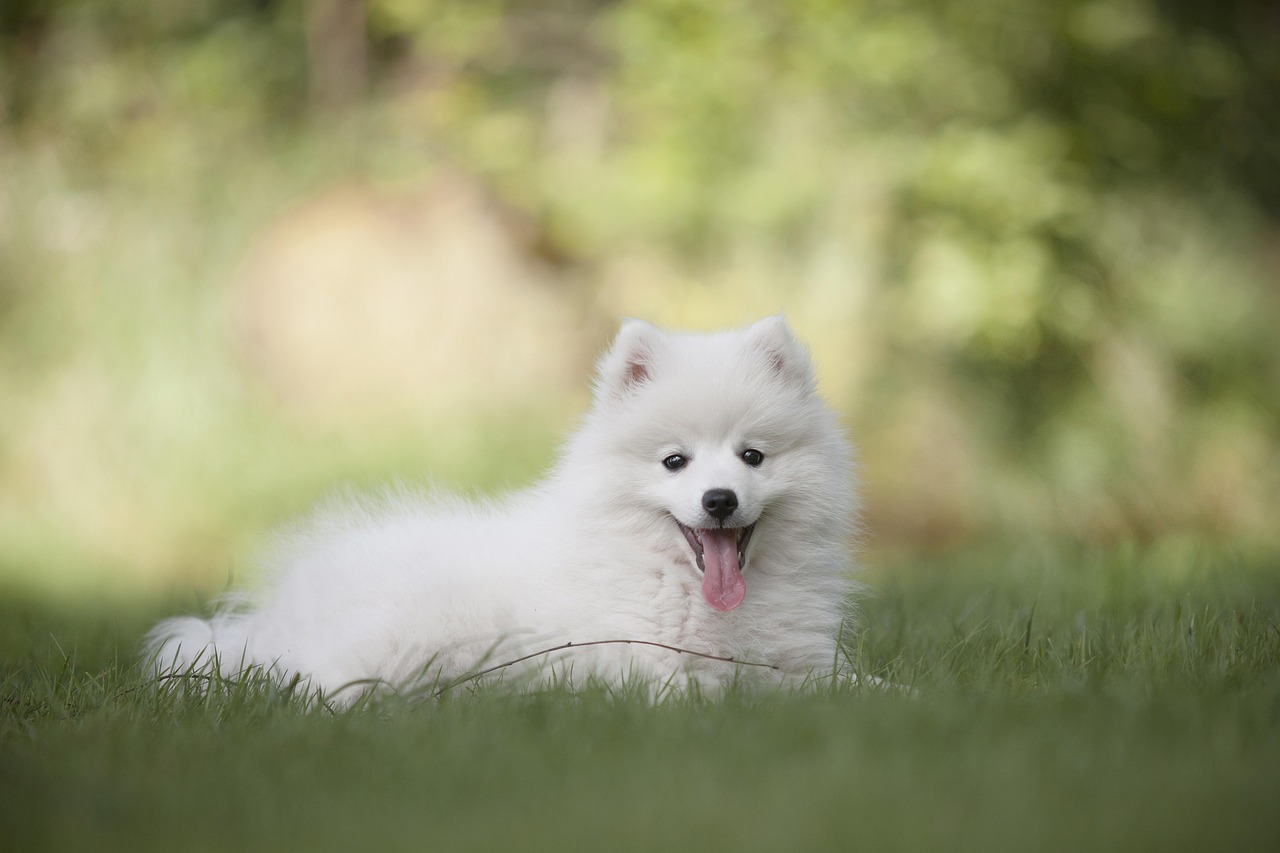
Fluffy French Bulldog prices typically run from around $4,500 at the low end to $15,000 or more at the top, and the biggest single driver is color and pattern — rare shades like lilac, merle and fluffy-plus-exotic combinations push prices far above standard fawn or brindle. Coat length adds a premium on top of whatever the color already commands, and no single number is “the” price, because breeders price on colour, pattern, pedigree and demand together.
I own a fluffy Frenchie, and I’ve watched this market closely for years. Here’s the honest breakdown of what drives the number, what each colour and pattern tends to cost, and what you should be asking before you hand over a deposit.
What makes a fluffy French Bulldog more expensive than a standard one?
A fluffy Frenchie costs more because the long coat comes from a recessive gene — a puppy only gets the fluffy coat if it inherits the trait from both parents, and most Frenchies don’t carry it. That rarity, plus breeder hype, adds a premium of roughly $1,000 to $4,000 over an otherwise identical smooth-coated puppy.
The genetics matter here, so let me keep it simple. The long-hair trait is recessive. A dog needs two copies of the gene to actually look fluffy. A dog with one copy looks like a completely normal, smooth-coated Frenchie — it’s a carrier, and you’d never know by looking at it. That’s why fluffy litters are unpredictable and relatively uncommon, and why breeders can charge more for them.
Two things worth saying plainly:
- A fluffy is still a French Bulldog. No kennel club recognises “fluffy” as a separate breed or variety. The long coat sits outside the breed standard and is treated as a fault in the show ring. It’s a cosmetic trait, full stop.
- Fluffies aren’t inherently less healthy. The long coat doesn’t change the breed’s underlying health profile. The real ethical problems in this breed are extreme size breeding and colour breeding that chases trendy genes at the expense of health — not coat length.
So when you see a breeder charging $12,000 for a fluffy, understand that you’re paying for rarity and aesthetics, not for a “better” or “rarer breed.”
How much does colour affect fluffy French Bulldog price?
Colour is the single biggest price lever. Standard colours like fawn, brindle and pied sit at the bottom of the fluffy range, while rare colours like lilac, blue, chocolate and especially merle can double or triple the price. The rarer the colour, the steeper the premium.
Here’s how the colour tiers generally shake out. These are ranges, not fixed prices — a well-known breeder with a stacked pedigree can charge well above these, and a backyard breeder can undercut them.
| Colour | Typical Fluffy Price Range | Why It Sits Here |
|---|
—
| — |
|---|
$4,500 – $6,500
| Most common, lowest demand premium |
|---|
$5,000 – $7,000
| Common, classic, steady demand |
|---|
$6,500 – $9,000
| Recessive dilution gene, less common |
|---|
$7,000 – $10,000
| Recessive, popular, moderate rarity |
|---|
$9,000 – $14,000
| Combines two recessive dilutions, highly sought |
|---|
$8,000 – $15,000+
| Pattern rarity plus colour hype, wide swings |
|---|
$12,000 – $20,000+ | Rarity stacked on rarity |
A few things I’ve learned watching this market:
- Colour rarity is partly manufactured. Breeders decide what to charge based on what buyers will pay, not on any objective standard. Lilac and merle command huge premiums because people want them, not because they’re better dogs.
- Merle deserves a real caution. Merle is a pattern that comes with genuine health considerations when bred irresponsibly — double merle breeding can produce deafness and eye problems. If you’re looking at a merle, ask hard questions about the parents. This is general guidance, not medical advice; a vet who knows the breed is the right person to assess a specific puppy.
- Two puppies of the same colour can differ by thousands. Pedigree, health testing and breeder reputation move the number as much as colour does.
Does pattern change the price as much as colour?
Pattern matters, but usually less than base colour. Merle, piebald, ticked and brindle-pattern variations add to the price, but a rare colour with a common pattern often costs more than a common colour with a rare pattern. The two factors stack rather than compete.
Think of it this way: colour is the base paint, pattern is the finish. A lilac pied will out-price a fawn merle in most markets, because lilac itself is the rarer, more hyped base. But a lilac merle — rare colour plus rare pattern — sits at the very top of the fluffy market.
Patterns that tend to carry a premium:
- Merle — the highest-demand pattern, with the widest price swings and the most health caveats
- Pied with heavy white — popular, moderate premium
- Ticked — niche demand, small premium
- Brindle point — usually minimal premium on its own
If a breeder is charging a huge premium for a pattern alone, ask what else justifies it — health testing, pedigree, temperament of the parents. Pattern hype without substance is a red flag.
Why do fluffy French Bulldog prices swing so wildly between breeders?
Prices swing because there’s no standardised market. A breeder’s reputation, health testing, location, pedigree and the simple law of supply and demand all move the number. The same fluffy puppy might be $5,000 from one breeder and $14,000 from another, with no meaningful difference in the dog.
Factors that genuinely justify a higher price:
- Health testing on both parents — airway, spine, hips, eyes, and genetic screening
- Proven pedigree — titled or health-cleared lines
- Breeder support — contracts, health guarantees, willingness to take the dog back
- Transparency — you can meet the parents, see the living conditions
Factors that don’t justify a higher price:
- A fancy website and Instagram following
- “Rare” claims with no paperwork
- Pressure to pay a deposit immediately
- Refusal to let you visit or video call
The most expensive fluffy isn’t automatically the best one. I’d take a $5,000 fluffy from a breeder who health-tests and supports buyers over a $15,000 fluffy from someone who won’t let me see the mother.
What ongoing costs should you budget for beyond the purchase price?
Beyond the purchase price, budget roughly $1,500 to $3,000 in the first year for vet care, food, grooming tools and supplies, plus ongoing grooming and potential breed-related vet costs. The fluffy coat adds real grooming time and some cost, but the bigger financial risk is the breed’s underlying health issues.
Here’s a realistic first-year budget for a fluffy Frenchie:
| Expense | Typical First-Year Cost |
|---|
—|
| Initial vet visit, vaccines, microchip | $200 – $400 |
|---|
$300 – $700 |
| Food (quality kibble or fresh) | $400 – $800 |
|---|
$60 – $150 |
| Professional grooming (optional, occasional) | $0 – $400 |
|---|
$400 – $900 |
| Training, crate, bed, harness, toys | $200 – $500 |
|---|
$1,000+ recommended |
The breed’s health profile doesn’t change with coat length. Fluffy Frenchies face the same risks as smooth ones: brachycephalic airway syndrome, heat intolerance, skin fold dermatitis, allergies and IVDD (intervertebral disc disease). Those are the costs that can genuinely wreck a budget, which is why insurance or a dedicated emergency fund matters more than the colour of the coat.
If you want to understand the daily care side before you commit, [LINK: french bulldog skin fold care] walks through the fold-cleaning routine every Frenchie needs regardless of coat.
Is the fluffy coat actually harder to care for?
Yes — the fluffy coat is genuinely more work than a smooth coat. You’ll need to brush several days a week to prevent matting, expect more shedding, and still do the same daily cleaning and drying of facial folds that every Frenchie needs. The long coat doesn’t replace the breed’s basic grooming requirements; it adds to them.
Here’s my actual weekly routine with my fluffy:
Daily (5 minutes)
- Wipe and dry facial folds with a soft cloth or pet wipe
- Check ears and eyes for discharge
- Quick once-over for tangles behind the ears and under the collar
Every other day (10–15 minutes)
- Brush the full coat with a slicker brush, then a metal comb
- Focus on the armpits, belly, behind the ears and the tail area — these mat first
- Work out any small tangles before they tighten
Weekly (20 minutes)
- Deeper comb-through, checking the undercoat
- Bath if needed (don’t over-bathe — it strips oils)
- Trim around the eyes and sanitary areas if your dog needs it
Seasonal
- Heavier shedding in spring and autumn — brush daily during these windows
- Extra attention to matting in humid weather
Two breed-specific realities to keep in mind: Frenchies are heat-sensitive, so never leave a fluffy in a hot car or exercise it hard in summer — the extra coat doesn’t help. And they’re stubborn and food-motivated, which actually works in your favour during grooming: a few treats and short sessions beat a long battle every time.
What should you ask a breeder before paying a fluffy premium?
Ask for health testing on both parents, proof the puppy was raised in clean conditions, a written contract with a health guarantee, and a clear explanation of why the price is what it is. If a breeder can’t or won’t answer those, the premium isn’t justified no matter how rare the colour.
A short checklist before you pay a deposit:
If a topic touches your specific puppy’s health — breathing, spine, skin — that’s a conversation for a vet who can actually examine the dog. This article is general guidance, not medical content.
FAQ
Q: Is a fluffy French Bulldog more expensive than a standard one?
A: Yes. The recessive long-hair trait means fluffies are less common, so breeders charge a premium — typically $1,000 to $4,000 more than a comparable smooth-coated puppy, on top of whatever the colour already commands.
Q: What’s the cheapest fluffy French Bulldog colour?
A: Fawn and cream fluffies tend to be the most affordable, usually starting around $4,500. Rare colours like lilac and merle push prices much higher, often into five figures.
Q: Do fluffy French Bulldogs have more health problems?
A: Not because of the coat. The long coat is cosmetic and doesn’t change the breed’s underlying health profile — brachycephalic airway syndrome, heat intolerance, skin fold dermatitis, allergies and IVDD affect fluffies and smooth coats alike.
Q: Should I pay extra for a merle fluffy Frenchie?
A: Only if the breeder health-tests the parents and explains the pricing honestly. Merle carries real health risks when bred irresponsibly, so the premium should come with transparency, not just hype.
Frequently Asked Questions
Is a fluffy French Bulldog more expensive than a standard one?
Yes. The recessive long-hair trait means fluffies are less common, so breeders charge a premium — typically $1,000 to $4,000 more than a comparable smooth-coated puppy, on top of whatever the colour already commands.
What’s the cheapest fluffy French Bulldog colour?
Fawn and cream fluffies tend to be the most affordable, usually starting around $4,500. Rare colours like lilac and merle push prices much higher, often into five figures.
Do fluffy French Bulldogs have more health problems?
Not because of the coat. The long coat is cosmetic and doesn’t change the breed’s underlying health profile — brachycephalic airway syndrome, heat intolerance, skin fold dermatitis, allergies and IVDD affect fluffies and smooth coats alike.
Should I pay extra for a merle fluffy Frenchie?
Only if the breeder health-tests the parents and explains the pricing honestly. Merle carries real health risks when bred irresponsibly, so the premium should come with transparency, not just hype.
Related: Do Siberian Cats Cause Allergies? What Owners Need to Know
Related: Fluffy French Bulldog Cost: Real Prices & What You Get
Leave a Reply