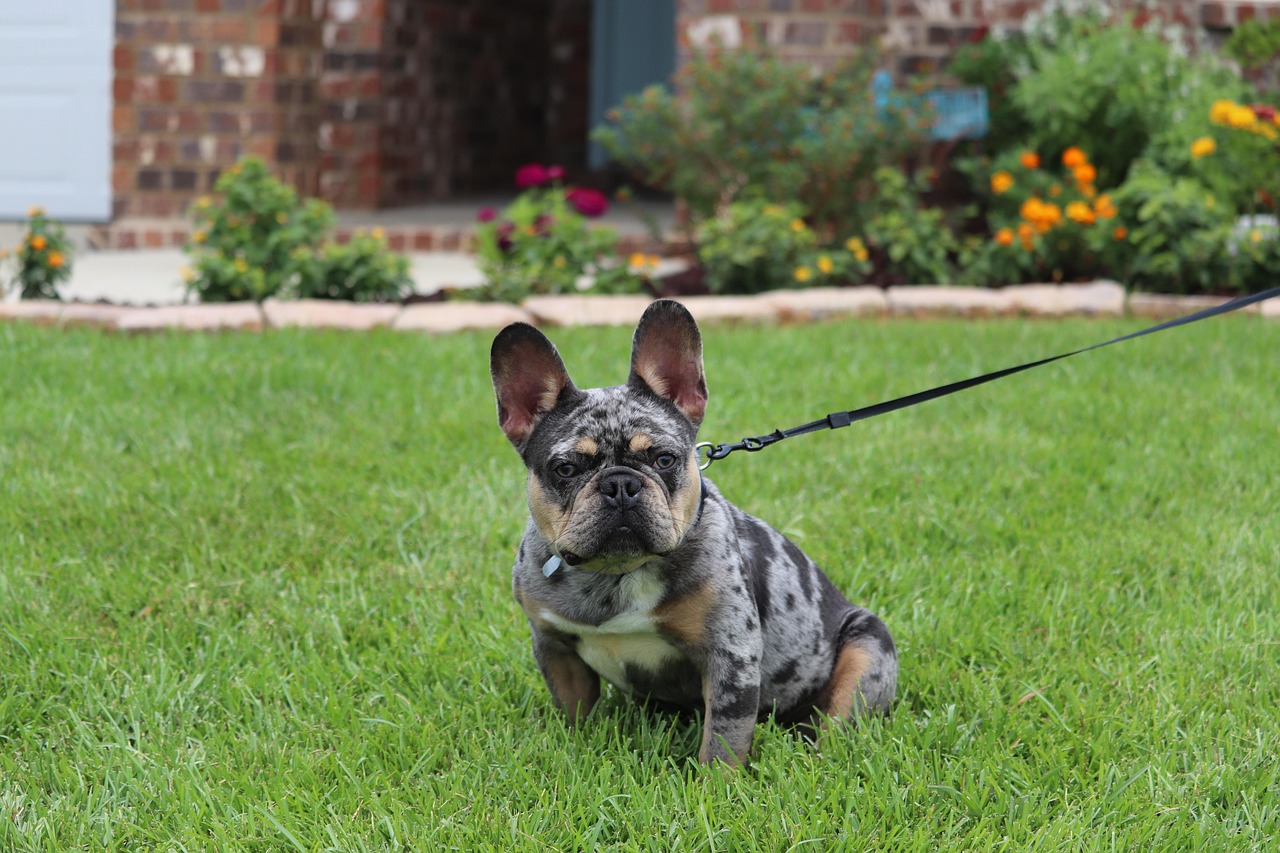
Teacup French Bulldogs are dangerous because they are bred to be unnaturally small, and that extreme size amplifies every health problem the breed already carries. French Bulldogs are already brachycephalic, prone to spinal disease, and structurally fragile. Shrinking them further compresses the airway, crowds the spine, and produces dogs that struggle to breathe, regulate temperature, and live normal lives. The “teacup” label is a marketing term, not a recognized breed or size variety — and it almost always signals a dog bred for appearance rather than health.
If you’re a Frenchie owner or you’re considering one, this matters. The risks aren’t hypothetical. They show up in the first year, in the vet’s office, and in your bank account.
What exactly is a “teacup” French Bulldog?
A “teacup” French Bulldog is a French Bulldog bred or marketed to be significantly smaller than the breed standard — often under 10 pounds as an adult. There is no teacup category in any kennel club standard. The term is invented by breeders and sellers to charge more for a dog that is, in reality, undersized.
The French Bulldog breed standard describes a compact, muscular dog typically weighing under 28 pounds, with a broad chest and a sturdy frame. A healthy adult Frenchie is small but substantial. A “teacup” is something else entirely — usually the smallest puppy in a litter, a runt, or a dog produced by deliberately pairing undersized parents.
Two things are usually happening when you see “teacup Frenchie” for sale:
- Runts marketed as a premium category. The smallest puppy in a normal litter gets relabeled as “teacup” and sold for more money than its healthier littermates.
- Deliberate downsizing. Breeders select for smaller and smaller dogs over generations, ignoring the structural problems that come with it.
Neither is good for the dog. The first is dishonest pricing. The second is a health disaster in slow motion.
Why does breeding French Bulldogs smaller cause health problems?
Breeding French Bulldogs smaller causes health problems because you’re shrinking the dog’s frame without shrinking the organs and airway structures that need space to function. The result is a dog compressed into a body that can’t support normal breathing, movement, or spinal stability.
Think about what’s inside a Frenchie. A flat-faced skull with a shortened airway. A spine that’s already prone to intervertebral disc disease (IVDD). A chest cavity that houses the heart and lungs. When you breed for a smaller overall size, you don’t proportionally shrink everything in a way that stays functional. You get crowding.
Here’s how that plays out in practice:
| System | Normal Frenchie | Teacup Frenchie |
|---|
—
| — |
|---|
Already narrowed (brachycephalic)
| Severely narrowed; breathing distress common |
|---|
Prone to IVDD
| Higher risk; less structural support |
|---|
Poor heat tolerance
| Dangerous heat intolerance; collapse risk |
|---|
Compact and sturdy
| Fragile; fracture risk from minor falls |
|---|
Adequate | Crowded; heart and lung strain |
The airway issue is the most immediate. French Bulldogs already have a shortened muzzle, narrow nostrils, and an elongated soft palate. A teacup Frenchie takes that same anatomy and packs it into a smaller skull. The result is a dog that can struggle to breathe while simply sitting still.
What are the specific teacup French Bulldog risks?
The specific teacup French Bulldog risks include severe breathing difficulty, spinal disease, fragile bones, inability to regulate body temperature, organ crowding, and a dramatically shortened lifespan. Many of these are the same conditions regular Frenchies face — but earlier, more severely, and with fewer treatment options.
Let me break down the ones that matter most.
Breathing problems
Brachycephalic obstructive airway syndrome (BOAS) is the big one. In a normal Frenchie, BOAS can already cause snoring, snorting, exercise intolerance, and heat sensitivity. In a teacup Frenchie, the airway is even more compressed. These dogs can struggle to breathe while eating, sleeping, or lying down. Some need surgery just to breathe comfortably. Some can’t tolerate surgery because they’re too fragile to be anesthetized safely.
Spinal and joint issues
French Bulldogs are already one of the breeds most affected by IVDD — a condition where spinal discs bulge or rupture and can cause pain, paralysis, or loss of bladder control. A teacup Frenchie has less muscle and structural support around the spine. A jump off the couch, a slip on a hard floor, or rough play can trigger a disc problem. [LINK: french bulldog IVDD prevention guide]
Fragile bones
Teacup Frenchies often have bones that are thin and brittle relative to their body weight. A fall from your arms, a tumble down stairs, or an accidental step can cause fractures that require surgery. Healing is slower in a dog this small, and anesthesia for fracture repair carries real risk.
Heat and exercise intolerance
Every Frenchie owner knows the breed struggles in heat. A teacup Frenchie has almost no margin. A short walk on a warm day, a car ride without proper airflow, or time in a sunny yard can push them into heatstroke. Their narrowed airway means they can’t pant efficiently to cool down.
Organ and metabolic problems
When a dog is bred to be unnaturally small, internal organs don’t always scale down cleanly. Heart defects, liver shunts, and digestive issues appear more often in undersized dogs. These aren’t guaranteed, but the odds are stacked against them.
Why do breeders keep producing them?
Breeders keep producing teacup French Bulldogs because buyers pay a premium for them. The demand for “mini” and “teacup” versions of popular breeds is strong, and the price tag — often several thousand dollars — makes it profitable.
The problem is what that incentive produces. Responsible breeders breed for health, temperament, and breed standard. Breeders chasing the teacup market breed for size, often at the expense of everything else. That can mean:
- Breeding the smallest dogs together regardless of health history
- Selling puppies before they’re fully evaluated
- Skipping genetic testing for IVDD, heart conditions, and airway issues
- Using the “teacup” label to justify a higher price for a runt
Some of these breeders are genuinely ignorant of the harm. Others know exactly what they’re doing. Either way, the dog pays the price.
What should you do if you already own a teacup Frenchie?
If you already own a teacup Frenchie, focus on protecting their airway, spine, and body temperature, and get a baseline vet assessment. You can’t undo their genetics, but you can reduce the odds of a crisis.
Concrete steps, in order:
None of this is a cure. It’s risk management for a dog that was set up with a difficult hand.
Is there such a thing as a healthy small French Bulldog?
Yes — a French Bulldog on the smaller end of the standard range can be perfectly healthy. The breed standard allows for dogs under 28 pounds, and some Frenchies are naturally petite without being “teacup.”
The distinction is this: a small but structurally sound Frenchie is within the breed’s natural range. A “teacup” Frenchie is below it, often deliberately. If you want a smaller Frenchie, look for a breeder who prioritizes health testing and lets the dog’s natural size fall where it falls — not one who promises a specific tiny weight.
Ask any breeder these questions before buying:
- What health tests do the parents have?
- Can I see the parents’ vet records?
- What’s the expected adult weight based on the parents, not a sales pitch?
- Will you take the dog back if health issues arise?
If the answer to any of these is vague or defensive, walk away.
The bottom line on teacup French Bulldog risks
Teacup French Bulldogs are dangerous because the breeding that produces them works against the dog’s basic anatomy. French Bulldogs already struggle with breathing, spinal health, and heat tolerance. Shrinking them makes every one of those problems worse, and adds fragile bones and crowded organs on top.
If you love Frenchies, the kindest thing you can do is support breeders who breed for health — not for a size label that doesn’t exist in any legitimate standard. A healthy Frenchie is small enough. A teacup one is a dog paying for a marketing trend with its quality of life.
Frequently Asked Questions
Q: Are teacup French Bulldogs recognized by kennel clubs?
No. The American Kennel Club and other major kennel clubs do not recognize “teacup” as a French Bulldog variety or size category. The term is used by breeders and sellers as a marketing label, not a breed standard.
How long do teacup French Bulldogs live?
There is no reliable lifespan figure for teacup Frenchies because the category isn’t a recognized breed. Generally, dogs bred to be unnaturally small tend to have shorter lifespans and more health complications than standard-sized dogs of the same breed. Individual outcomes vary, and only a vet who examines your dog can speak to their specific prognosis.
Can a teacup French Bulldog be healthy?
Some undersized Frenchies live relatively normal lives with careful management, but the breeding practices that produce them increase the risk of airway, spinal, and bone problems. A small Frenchie within the breed standard range can be healthy; one bred deliberately below it carries higher risk.
What’s the difference between a mini French Bulldog and a teacup French Bulldog?
Both terms are marketing labels rather than recognized categories. “Mini” and “teacup” are used loosely by sellers to describe undersized Frenchies, often with no consistent definition. Neither term reflects a legitimate breed variety, and both typically indicate a dog bred for size rather than health.
Leave a Reply