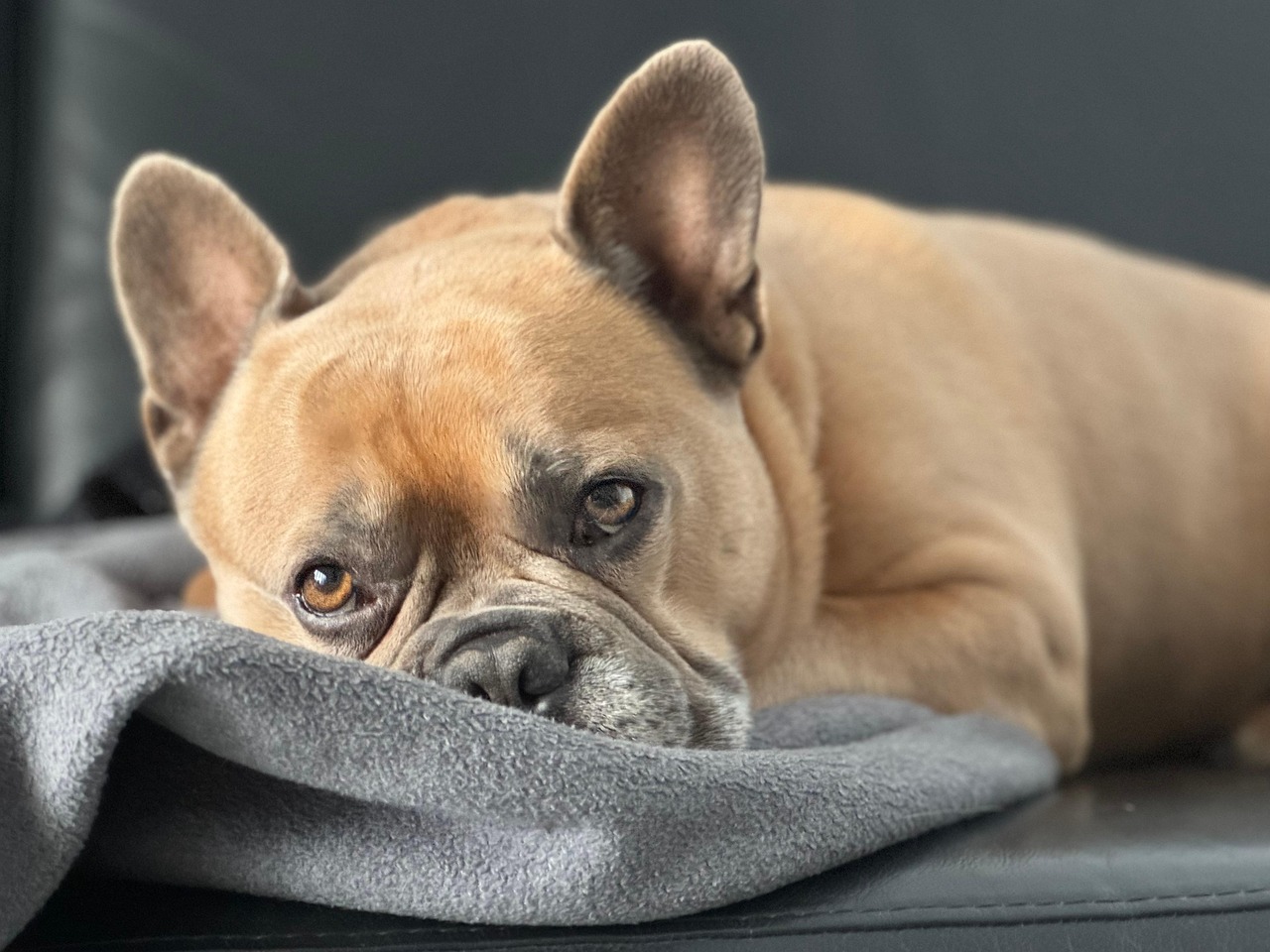
No. Both parents do not need to carry the fluffy gene for a French Bulldog puppy to be fluffy — but both parents must carry it for any puppy in the litter to be fluffy. The fluffy coat comes from a recessive mutation in the FGF5 gene. A dog needs two copies of that mutation (one from each parent) to actually grow a long, soft coat. A dog with just one copy looks like a normal Frenchie but can pass the gene on.
That single fact explains almost everything else about fluffy Frenchies: why two short-haired parents can produce a long-haired puppy, why a fluffy dog bred to a non-carrier produces zero fluffy puppies, and why the gene can hide in a bloodline for generations without anyone knowing it’s there.
If you’re buying a fluffy Frenchie, or thinking about breeding one, the rest of this article walks through the genetics in plain language, what testing actually tells you, and the breed-specific health issues that come with the coat.
What Is the Fluffy Gene in French Bulldogs?
The “fluffy gene” is a recessive mutation in the FGF5 gene that controls hair length. In French Bulldogs it produces what’s often called a “long-haired” or “fluffy” coat — longer, softer, and often with feathering on the ears, tail, and legs. It’s the same gene responsible for long coats in many breeds.
A few things worth knowing about it in Frenchies specifically:
- It is recessive, so it only shows up when a dog inherits the mutation from both parents.
- A dog with one copy is called a carrier. Carriers look completely normal — short, smooth Frenchie coat — and are often sold as regular Frenchies with no indication they carry anything.
- A dog with two copies is affected and will have the fluffy coat.
- The gene is not linked to the breed standard. Fluffy Frenchies are not recognized as standard by major kennel clubs, which matters if you care about registration or showing.
One common misconception: people assume “fluffy” is a separate breed or a cross. It isn’t. A fluffy Frenchie is a purebred French Bulldog that happens to carry two copies of a recessive mutation. The dog is still a Frenchie — flat face, bat ears, compact body — just with a longer coat.
How Does the Fluffy Gene Pass From Parents to Puppies?
The gene follows simple Mendelian inheritance. Each parent passes one copy of the FGF5 gene to each puppy, and whether that copy is the mutated version or the normal version determines what the puppy looks like.
Here’s how it plays out depending on what each parent is:
| Parent A | Parent B | Chance of fluffy puppy | Chance of carrier puppy |
|---|
—
| — | — |
|---|
Fluffy (2 copies)
| 100% | 0% |
|---|
Carrier (1 copy)
| 50% | 50% |
|---|
Clear (0 copies)
| 0% | 100% |
|---|
Carrier (1 copy)
| 25% | 50% |
|---|
Clear (0 copies)
| 0% | 50% |
|---|
Clear (0 copies) | 0% | 0% |
The key row for most people is carrier × carrier: two short-haired Frenchies that both happen to carry the gene have a 25% chance per puppy of producing a fluffy one. That’s why fluffy puppies sometimes appear in litters where neither parent looks fluffy — and why breeders who don’t test can be genuinely surprised.
The other key row is fluffy × clear: a fluffy dog bred to a non-carrier produces zero fluffy puppies, but every puppy is a carrier. This is why some breeders pair a fluffy dog with a clear dog to “spread” the gene quietly into a line.
Do Both Parents Need to Be Fluffy, or Just Carry It?
Both parents need to carry the gene — but they don’t both need to be fluffy. This is the distinction that trips most people up.
- If both parents are fluffy, all puppies are fluffy.
- If one parent is fluffy and the other is a carrier, roughly half the puppies are fluffy.
- If both parents are carriers (both look normal), about a quarter of puppies are fluffy.
- If only one parent carries the gene and the other is clear, no puppies will be fluffy — though some will be carriers.
So the honest answer to “do both parents need the fluffy gene” is yes, both need at least one copy. But “having the gene” and “being fluffy” are two different things. A carrier is a perfectly normal-looking Frenchie that can still produce fluffy puppies when paired with another carrier.
This is exactly why DNA testing matters. Without testing, you’re guessing — and the guess is wrong often enough that it causes real disputes between breeders and buyers.
Can Two Short-Haired French Bulldogs Have a Fluffy Puppy?
Yes. If both parents are carriers, there’s a 25% chance per puppy of a fluffy coat. Neither parent needs to look fluffy.
This is the scenario that confuses new owners most. They buy two normal Frenchies, breed them, and end up with a long-haired puppy they weren’t expecting. Nothing went wrong — the gene was simply hidden in both lines.
If you’re buying a puppy and the breeder claims the parents are “clear” of the fluffy gene, ask to see the actual DNA test results, not just a verbal assurance. A clear dog cannot produce a fluffy puppy no matter what it’s bred to. If a breeder produces fluffy puppies, at least one parent carries the gene — and usually both do.
How Do You Know If a French Bulldog Carries the Fluffy Gene?
You test. There’s no way to tell by looking at a short-haired Frenchie whether it carries the mutation.
A DNA test for the FGF5 mutation uses a cheek swab or blood sample and returns one of three results:
- Clear — no copies of the mutation. Cannot produce fluffy puppies.
- Carrier — one copy. Looks normal, can produce fluffy puppies if bred to another carrier or a fluffy dog.
- Affected — two copies. Will have the fluffy coat.
Tests are widely available through canine genetics labs and are inexpensive relative to the cost of a litter. If you’re breeding Frenchies at all, testing both parents before pairing them is the only way to know what you’re likely to get.
One practical note: test results are per-dog, not per-breeding. A dog’s status never changes, so a single test lasts a lifetime.
What Health Issues Come With a Fluffy Coat in French Bulldogs?
The fluffy coat itself isn’t a disease, but it does interact with the breed’s existing health problems in ways owners should plan for.
- Skin fold issues get worse. Frenchies already deal with skin fold dermatitis around the face, tail, and vulva. A longer coat traps moisture and debris in those folds, raising the risk of infection. More frequent cleaning and drying is non-negotiable.
- Grooming load goes up. A fluffy Frenchie needs regular brushing — several times a week — to prevent matting, especially behind the ears, under the legs, and around the tail. Mats in a Frenchie’s folds are painful and hard to spot.
- Heat sensitivity is unchanged but harder to manage. Frenchies are brachycephalic and already struggle in heat. A heavier coat makes overheating worse, so exercise needs to stay short and cool-weather-focused. [LINK: french bulldog heat safety guide]
- The usual breed risks still apply. IVDD, food allergies, and cherry eye don’t care what coat the dog has. A fluffy Frenchie is still a Frenchie.
There’s no evidence the FGF5 mutation itself causes health problems. The concerns are practical: more coat means more maintenance, and a breed already prone to skin issues needs more attention, not less.
Buying a Fluffy French Bulldog: What to Ask
If you’re paying a premium for a fluffy Frenchie — and they usually cost significantly more than a standard one — protect yourself with a few direct questions.
Be cautious of anyone charging fluffy prices for a puppy whose parents were never tested. Without testing, there’s no way to know if the puppy is actually affected or just a carrier — and carriers look identical to clear dogs.
Practical Care Schedule for a Fluffy Frenchie
Because the coat changes the maintenance picture, here’s a concrete routine that works for the breed’s specific needs:
| Frequency | Task |
|---|
—|
| Daily | Wipe face folds with a vet-approved wipe, dry thoroughly |
|---|
Brush the coat, focusing on ears, armpits, tail base |
| Weekly | Check and clean tail fold, ears, and any skin folds |
|---|
Bath with a gentle, fragrance-free shampoo; dry completely |
| Every 6–8 weeks | Nail trim |
|---|
Keep exercise short, avoid midday heat, watch for heavy breathing |
The daily fold wipe is the one most owners skip, and it’s the one that prevents the most problems. A fluffy coat holds moisture against the skin, and in a breed already prone to fold infections, that combination needs daily attention.
If you notice redness, odor, or discharge in a fold, that’s a vet visit — not something to manage at home with wipes. Fold infections can escalate quickly and are genuinely uncomfortable for the dog.
Frequently Asked Questions
Q: Can a fluffy French Bulldog be born from two normal-looking parents?
Yes. If both parents carry one copy of the FGF5 mutation, each puppy has a 25% chance of inheriting two copies and being fluffy. Neither parent needs to look fluffy — carriers have a normal short coat.
If one parent is fluffy, will all puppies be fluffy?
No. A fluffy parent bred to a clear (non-carrier) dog produces zero fluffy puppies, though all will be carriers. Bred to a carrier, roughly half the puppies will be fluffy. Only fluffy × fluffy guarantees all fluffy puppies.
Is the fluffy gene bad for a French Bulldog’s health?
The gene itself isn’t linked to disease, but the longer coat worsens the breed’s existing skin fold issues and increases grooming needs. Frenchies are already prone to fold dermatitis, so a fluffy coat means more daily maintenance, not less.
How do I find out if my French Bulldog carries the fluffy gene?
Order an FGF5 DNA test through a canine genetics lab. A cheek swab or blood sample returns a clear, carrier, or affected result. Testing is the only way to know — coat appearance tells you nothing about carrier status.
Leave a Reply