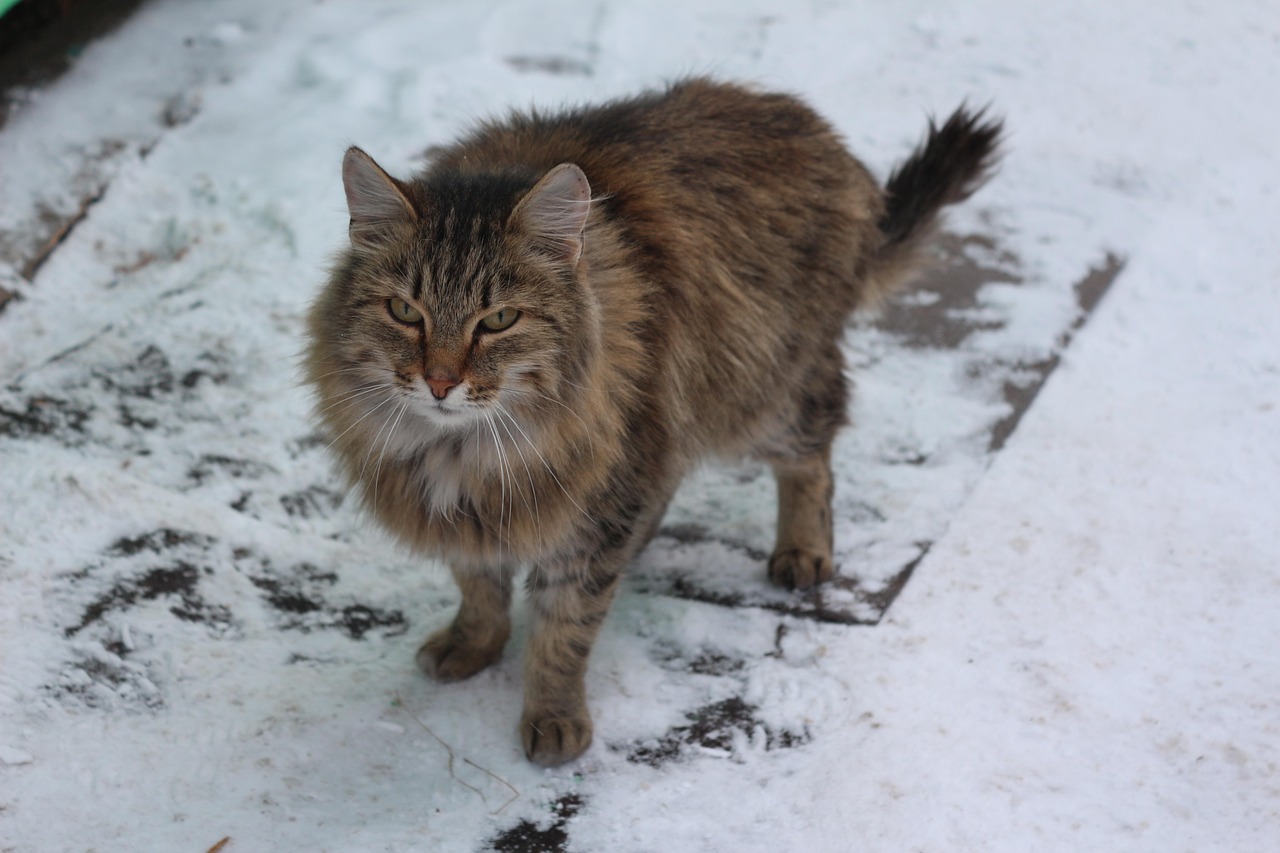
Siberian cats are large, semi-longhaired cats from Russia known for their affectionate, playful, people-oriented personality and their unusual tolerance of handling. They’re famously described as hypoallergenic (more on why that’s not quite true below), they love water, and they tend to bond deeply with their families. If you’re considering adding one to your home, the more useful question isn’t just what Siberians are like — it’s whether one would actually work in your household. That’s what this guide covers.
What is a Siberian cat’s temperament really like?
Siberian cats are outgoing, social, and remarkably interactive in temperament. They follow their people around, greet visitors at the door, learn to fetch, and often tolerate being picked up and carried — a trait most cats don’t share. They’re confident rather than skittish, and they tend to be patient with children and other pets.
That last point matters in a busy household. A Siberian is far more likely to tolerate a curious, pushy, noisy toddler or an excitable resident pet than a nervous or territorial cat breed would be. Siberians generally don’t flee from commotion — they’ll stand their ground, swat if needed, and then often settle into a truce.
A few temperament traits worth knowing:
- People-focused, not aloof. Siberians are often described as “velcro cats.” They want to be in the same room as you, on the same couch, ideally on your lap.
- Playful into adulthood. Unlike many cats that mellow out after two years, Siberians tend to stay playful. They need actual interaction, not just a toy on the floor.
- Vocal but not obnoxious. They chirp and trill more than they meow loudly. It’s a softer sound than you might expect from a large cat.
- Confident with strangers. This cuts both ways — a Siberian won’t necessarily be a good watchdog, because they’ll happily greet an intruder.
The flip side: Siberians are social enough that they can get lonely. A Siberian left alone all day while you’re at work may end up bored and destructive. They do better with company — human or feline.
How does a Siberian cat compare with other cat breeds?
A Siberian cat is a large, athletic, longhaired cat that loves climbing and water. Compare that with a Persian — small, sedentary, flat-faced, and unable to tolerate heat or strenuous play. They’re opposites in almost every practical way — energy, grooming, climate needs, and how much they demand from you physically.
Here’s a side-by-side that actually matters for daily life:
| Trait | Siberian Cat | Persian Cat |
|---|
\—
| — |
|---|
10–20 lbs, large frame
| 7–12 lbs, compact |
|---|
Moderate-high, athletic, climbers
| Low, short bursts of play |
|---|
Good
| Poor — brachycephalic |
|---|
Excellent (thick coat)
| Poor |
|---|
2–3x weekly brushing, heavier in spring
| Daily brushing, daily eye cleaning |
|---|
Food-motivated, can learn tricks
| Food-motivated, placid |
|---|
Chirps, trills
| Quiet, occasional soft meows |
|---|
Moderate
| High |
|---|
12–15 years | 12–17 years |
The heat sensitivity row is the one people underestimate. A Persian can overheat in a warm room within 15 minutes. A Siberian cat with a full winter coat lounging in a sunbeam is fine. If you’re planning outdoor time, they have completely different limits.
Do Siberian cats get along with other pets?
Yes, in most cases — but the introduction is what determines it. Siberians are typically tolerant and non-aggressive, and most resident pets are usually more curious than predatory. The main risk isn’t fighting; it’s a claw to the eye or nose during a swat, or the cat being stressed by a housemate that won’t stop following it.
Some pets have a few traits that make introductions trickier:
- They don’t read body language well. A cat’s warning signals — flattened ears, a twitching tail, a slow retreat — are often ignored by an over-eager housemate that just wants to sniff.
- They can’t regulate their breathing well when excited. A flat-faced pet that gets over-aroused chasing a cat can start wheezing or reverse-sneezing. That’s not aggression, but it’s stressful for everyone.
- They’re stubborn. Once a resident pet decides the cat is the most interesting thing in the house, redirecting that fixation takes patience and treats.
A slow, structured introduction works far better than a “let them sort it out” approach. More on the specific steps below.
What does a Siberian cat need that a typical household might not have?
Siberians need vertical space, water access, and daily interactive play — three things a typical floor-level setup doesn’t provide. Many pets live on the floor. A Siberian wants to be on top of the bookshelf, the cat tree, and the back of the couch, watching everything from above.
Concretely, a Siberian needs:
- A tall cat tree or wall shelves. This gives the cat a retreat zone nothing else in the house can reach. It’s the single most important piece of equipment for a multi-pet household.
- A water fountain or wide bowl. Siberians often play with water and drink more than average cats. A fountain encourages hydration and gives them something to interact with.
- A gated or closed-off room. The cat needs a space — a bedroom, a bathroom, a laundry room — where other pets simply aren’t allowed. This is where the cat eats, uses the litter box, and decompresses.
- Daily one-on-one play. Two 10–15 minute sessions with a wand toy, ideally while other pets are occupied with a chew or a puzzle feeder. Siberians need to hunt and pounce, not just bat at a toy.
If you’re already managing a busy , adding a high-energy cat means restructuring parts of that routine. The cat’s needs can’t be an afterthought.
Are Siberian cats really hypoallergenic?
No — no cat breed is truly hypoallergenic. Siberians produce less of the Fel d 1 protein that triggers most cat allergies, and many allergy sufferers report fewer symptoms around them. But “less” is not “none,” and individual reactions vary widely.
This matters if someone in your household is allergic and you’re hoping a Siberian solves the problem. It might reduce symptoms. It won’t guarantee they disappear. If allergies are the main reason you’re considering this breed, spend time with an actual Siberian before committing — ideally in the breeder’s home, for at least an hour.
How do you introduce a Siberian cat to a new home?
The introduction should take 1–2 weeks, done in stages, with the cat always having an escape route. Rushing it is the most common reason multi-pet introductions fail.
Here’s a practical, Siberian-specific sequence:
Days 1–3: Separate spaces. Keep the cat in one room with food, water, litter box, and a hiding spot. Let other pets smell the door but not enter. Swap bedding between the two so they get used to each other’s scent while separated. Feed them on opposite sides of the closed door so both associate the other’s smell with something good. Days 4–7: Visual access, no contact. Use a baby gate or crack the door so they can see each other but not touch. Reward the resident pet with treats every time they look at the cat calmly and don’t lunge. This is where food motivation works in your favor — most pets will do almost anything for a piece of chicken. Keep sessions to 5–10 minutes, then separate again. Days 8–14: Supervised time together. Let them share a room with you present and the cat tree accessible. Keep the resident pet on a leash for the first few sessions so you can redirect instantly. If they fixate, stare, or start the pre-pounce crouch, interrupt with a treat scatter on the floor — this breaks the stare and gives them something else to do. Ongoing: Never leave them unsupervised until you’ve seen at least a month of calm, uneventful interactions. Even then, keep the cat’s escape routes open permanently.
A note on flat-faced pets: if your resident pet gets so excited during introductions that they’re wheezing, gasping, or turning blue-tinged in the gums, stop the session immediately and let them cool down. That’s a breed-specific limit, not a training failure. If your pet has known breathing issues, talk to your vet before adding a cat to the house — this is general guidance, not medical advice.
What are the ongoing costs and care requirements?
A Siberian costs more to maintain than many cats in some categories and less in others. Grooming is the big one — that coat is not self-maintaining.
| Cost Category | Siberian Cat | Persian Cat |
|---|
\—
| — |
|---|
$800–$2,000 from a breeder
| $1,000–$3,000 from a breeder |
|---|
$30–$60
| $40–$80 |
|---|
$40–$80 every 6–8 weeks, plus home brushing
| $40–$100 (professional grooming, eye care) |
|---|
$200–$400/year
| $300–$600/year |
|---|
HCM (heart), PKD
| PKD, breathing issues, tear staining |
|---|
$20–$40/month | $40–$80/month |
The breed-specific health risks are worth flagging. Siberians are prone to hypertrophic cardiomyopathy and polycystic kidney disease, so a reputable breeder will screen breeding cats for both. Persians carry their own list — covers PKD, breathing issues, and eye conditions in detail.
If you’re adding a Siberian, budget for the grooming. A matted Siberian coat is painful and requires professional dematting or shaving, which defeats the purpose of the breed.
Frequently Asked Questions
Q: Will a Siberian cat hurt my other pets?
Siberians are rarely aggressive, but they will swat if another pet pushes too hard. The real risk is a claw to the eye or nose. Supervise introductions, keep the cat’s claws trimmed, and give the cat a high escape route other pets can’t reach.
Can a Siberian cat and another pet share a litter box area?
No. The litter box should be in a space other pets can’t access. Many pets are notorious for eating cat litter and cat feces, which can cause digestive upset. Use a baby gate the cat can jump but the other pet can’t.
Do Siberian cats get along with other pets better than most cats do?
Generally yes. Siberians are more socially flexible and adapt to new pets faster. Many cats bond intensely and can be territorial or jealous, especially if they’re used to being the only pet.
Is a Siberian cat a good choice if I work long hours?
Better than many breeds, but not ideal alone. Siberians are social and can get lonely. If your other pets are crated or confined while you’re gone, the cat will be alone too. Consider a second cat or a midday pet sitter.
More Siberian cat answers on this topic
What Is a Siberian Cat, Exactly?
The Siberian is a naturally occurring landrace cat from Russia, not a designer breed. It has existed in Siberian forests for centuries as a working cat that hunted rodents and survived brutal winters. It was only formally standardized and exported to the West in the late 20th century. The breed is recognized by major registries including TICA and CFA.
Physically, Siberians are substantial. Males commonly weigh 15–20 pounds, females 10–15. They have a rounded head, large eyes, and a dense triple coat with a thick ruff around the neck. The coat comes in all colors and patterns, and many Siberians are hypoallergenic-ish — meaning they produce lower levels of the Fel d 1 protein that triggers most cat allergies. That’s a marketing point, not a guarantee. Some allergic people still react.
Temperament-wise, Siberians are famously social. They follow their people around, learn to fetch, and often tolerate handling better than the average cat. They’re also climbers. A Siberian will find the top of your refrigerator and your bookshelf. If you have a household where nobody can reach the high shelves, that’s a meaningful difference to plan around.
How Is a Siberian Cat Different From Other Cat Breeds?
Siberians sit at a distinct point on almost every spectrum — build, climate tolerance, exercise needs, and how they bond with humans. Here’s the side-by-side.
| Trait | Siberian Cat | Average Domestic Shorthair |
|---|
\—
| — |
|---|
10–20 lbs
| 8–12 lbs |
|---|
Triple, semi-long
| Short, single |
|---|
Moderate
| Variable |
|---|
Excellent
| Good |
|---|
Climbing, bursts
| Short sprints |
|---|
Normal
| Normal |
|---|
Independent, food-motivated
| Independent, food-motivated |
|---|
Social but self-sufficient
| Variable, often more aloof |
|---|
HCM, hip dysplasia | HCM, dental disease |
The heat column matters most for shared living. A Siberian handles a cool apartment far better than most cats, and it will happily perch somewhere high while other pets sprawl on the tile floor.
The attachment column is the other big one. Siberians are affectionate but rarely clingy in a way that tips into distress. They enjoy company and will seek you out, yet they settle calmly when left alone for reasonable stretches. A Siberian is affectionate but less prone to panic. Adding a second cat won’t fix an existing pet’s anxiety, and it can make things worse if introductions go badly.
Are Siberian Cats Hypoallergenic?
No cat is truly hypoallergenic, but Siberians produce lower levels of the Fel d 1 protein than most breeds. Many allergy sufferers report fewer symptoms around Siberians. That said, individual reactions vary widely, and no breeder can promise a cat will be safe for a specific allergic person. Spend time with an adult Siberian before committing.
If someone in your home is allergic, don’t rely on the breed’s reputation. Visit a breeder or a Siberian-owning household for a few hours and see what happens. That’s the only reliable test short of a doctor’s guidance.
What Does a Siberian Cat Need Day to Day?
Siberians need more grooming and more vertical space than most cats. Budget 10–15 minutes of brushing two or three times a week, and daily during shedding season. They also need climbing furniture — cat trees, wall shelves, window perches. A bored Siberian will improvise on your curtains.
Feeding is straightforward. A quality cat food with high protein suits them. Because Siberians are large, portion sizes run higher than for an average domestic shorthair. Watch weight carefully; obesity is common in indoor cats of any breed.
Litter box setup matters more than people expect. A big cat needs a big box. Standard covered boxes are often too cramped for a 20-pound male. Choose an extra-large open box and scoop daily.
Living With a Siberian in a Multi-Pet Home
Introductions decide everything. Cats and other household pets can absolutely coexist, but the process needs patience and a controlled setup.
Here’s a practical timeline that works for most multi-pet households:
Days 1–3: Separate spaces. Keep the cat in one room with food, water, litter, and a hiding spot. Let the resident pet sniff under the door. No face-to-face contact. Days 4–7: Scent swapping. Rub a cloth on the cat and let the other pet smell it, and vice versa. Feed them on opposite sides of a closed door so they associate each other’s smell with food. Week 2: Barrier meetings. Use a baby gate or a cracked door. Let them see each other for short sessions. Reward calm behavior with treats for ignoring the cat. Week 3: Supervised contact. Keep the resident pet leashed at first. Watch body language. A pet who fixates, stiffens, or lunges isn’t ready. Ongoing: Escape routes. Always give the cat a way out — a high shelf, a cat tree, a room the other pet can’t enter. A cat that can’t retreat will scratch, and exposed eyes are vulnerable to corneal scratches. This is a real risk in any multi-pet home.
Food motivation is your best training tool here. Reward calm behavior around the cat every single time. Don’t punish growling; that suppresses the warning without fixing the feeling. If your resident pet has a strong prey drive or has never lived with a cat, get help from a certified trainer before bringing a Siberian home.
Can a Siberian Cat Fit Your Household Routine?
Partly. The two animals can share a home, but they can’t share every activity.
Long walks in summer heat are hard on most pets. A Siberian can’t handle them either, honestly, but for different reasons — that heavy coat traps heat. All pets do best with climate-controlled indoor time during hot months.
Short, frequent outings suit many pets. A Siberian needs climbing and interactive play indoors. These needs don’t conflict. They just require different equipment: a harness and cooling mat for the other pet, a tall cat tree and wand toys for the cat.
One genuine conflict point is temperature. Many pets overheat easily and love warm spots. Siberians prefer cooler rooms. You may find yourself running a fan for the cat while your other pet hunts for a sunbeam. It’s manageable, but it’s a real adjustment.
What Health Issues Should You Know About in Siberians?
Siberians are generally hardy, but the breed has known risks. Hypertrophic cardiomyopathy (HCM) is the most serious — a heart condition that can be screened for in breeding lines. Hip dysplasia appears in some lines. Because Siberians are a relatively small gene pool in some regions, buying from a breeder who tests for HCM is worth the extra cost.
This is general information, not veterinary advice. If you’re evaluating a specific kitten, ask the breeder for cardiac screening results on both parents. If you already own a Siberian and notice lethargy, labored breathing, or appetite loss, that warrants a vet visit — those signs can point to heart issues that need real diagnosis, not internet guesswork.
Every pet has its own health priorities: dental disease, skin conditions, and food sensitivities are common across breeds. Two pets with two different risk profiles means two different preventive care routines. Budget for both.
Cost and Commitment Comparison
| Expense | Siberian Cat | Average Domestic Shorthair |
|---|
\—
| — |
|---|
$800–$2,000
| $50–$200 (adoption) |
|---|
$30–$60
| $25–$50 |
|---|
$0–$40 (self or pro)
| $0–$30 (nails, ears) |
|---|
$200–$400
| $150–$300 |
|---|
$15–$35/mo
| $15–$30/mo |
|---|
12–15 years | 12–18 years |
These are typical ranges, not quotes. Regional pricing varies a lot. The point is that a Siberian is generally the pricier cat to acquire, mostly because of breeder health testing and pedigree costs, while routine care stays in line with other cats.
What does “calm” actually mean for a Siberian cat?
A calm Siberian is affectionate and steady, not sedated. They’ll greet you at the door, follow you room to room, and happily sit in your lap — but they’re not clingy about it. Siberians are often described as “moderately active”: they play, climb, and have bursts of energy, then settle for long stretches.
That distinction matters. A calm cat is not a low-maintenance cat. Siberians still need vertical space, scratching outlets, and daily interaction. What they don’t typically need is constant reassurance — they’re confident enough to amuse themselves when you’re busy.
Are Siberians calmer than other cat breeds?
Compared to Orientals, Bengals, or Abyssinians — breeds that need near-constant stimulation — yes, Siberians are noticeably more laid-back. Compared to a Persian or a Ragdoll, they’re a bit more athletic and interactive. They sit in the middle-to-calm range, leaning friendly rather than indifferent.
Do Siberians get along with other cats?
Generally, yes. Siberians are sociable and confident rather than skittish, and many live comfortably alongside other cats when introduced properly. That confidence helps: a cat that doesn’t bolt or hide defuses tension before it escalates. Slow introductions, separate resources, and plenty of vertical territory make the transition far easier.
How does a calm Siberian compare with other cat breeds?
| Trait | Siberian Cat | Ragdoll |
|---|
\—
| — |
|---|
Moderate, bursts then rests
| Low, mostly floor-level |
|---|
Friendly, follows you around
| Placid, goes limp when held |
|---|
Independent, food-motivated
| Docile, food-motivated |
|---|
Good
| Good, but less athletic |
|---|
Low to moderate
| Low |
|---|
Quiet, occasional chirps | Quiet, soft-voiced |
The interesting overlap is food motivation. Both respond well to treats, which is genuinely useful for training and for redirecting attention during introductions. The big divergence is activity. A Ragdoll is content to lounge; a Siberian wants to climb, patrol, and investigate — then nap for hours.
Leave a Reply