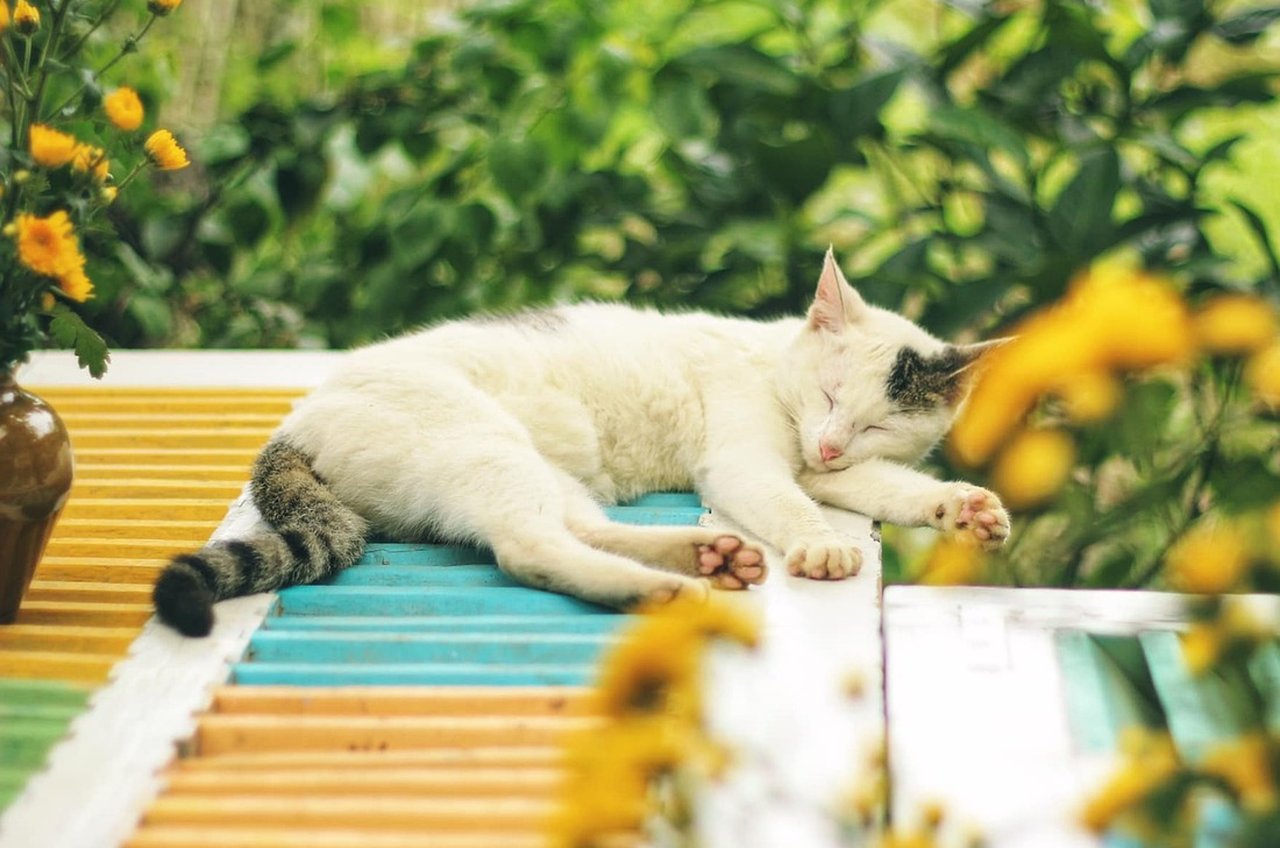
No — Siberian cats are not an aggressive breed. They were shaped by centuries of life in Russian homes and barns, where a cat that attacked its people was a liability. The breed standard describes them as gentle, sociable and people-oriented, and most owners describe a cat that follows them room to room rather than one that guards territory with teeth. Aggression in a Siberian is almost always situational or medical, not a breed trait.
That said, “not aggressive” is not the same as “never bites or scratches.” Any cat with claws and teeth will defend itself if it feels cornered, and Siberians are large, strong cats with a thick coat that makes their body language harder to read than a short-haired cat’s. Understanding why a Siberian might swipe — and what’s normal for this breed specifically — is more useful than a simple yes or no.
What is a Siberian cat’s temperament actually like?
Siberians are unusually interactive cats that seek out their owners, tolerate handling well, and often learn to fetch, but they express all of this on feline terms — with claws, climbing and independent streaks that come with the territory.
The breed’s reputation for sociability is earned. Siberians tend to greet visitors rather than hide, follow their people between rooms, and involve themselves in whatever is happening on the counter or desk. Many learn to play fetch, walk on a harness, or come when called. This is not submissiveness — it’s a genuinely outgoing temperament combined with high intelligence and a strong bond to their household.
What surprises new owners is the physicality. A Siberian that wants attention may climb onto a shoulder, pat a face with a paw, or wrap around a leg. A cat that wants to be picked up may simply launch itself. None of this is aggression, but claws come out during it, and a 6 kg cat landing on you with intent can feel like an attack if you’re not expecting it.
Siberians are also slow to mature — often three to five years before they settle into full adult behaviour — so adolescent Siberians can be boisterous, clumsy and prone to ambushing ankles well past the age when many other cats have calmed down.
Do Siberian cats bite or scratch their owners?
Siberians bite and scratch far less than the average cat, but when it happens it usually traces back to overstimulation, play, or pain rather than temperament — and the breed’s size means the damage is more noticeable.
Three patterns account for most incidents:
- Overstimulation during petting. Siberians often tolerate more handling than other cats, which makes it easy to miss the early warning signs — a tail flick, skin twitch, ears rotating back. Because they don’t leave, owners keep going until the cat swats.
- Play aggression. A bored adolescent Siberian with no outlet will stalk feet under blankets and grab hands. This is play, but it teaches the cat that hands are toys.
- Pain or handling discomfort. A cat with dental pain, an injured limb, or arthritis in the hips will react sharply to being lifted or touched in the wrong place.
The breed’s dense triple coat is a factor here. You can’t easily see a cat’s skin ripple or the tension in the shoulders through that much fur, so owners read the body language late and the correction comes as a surprise.
Are Siberian cats aggressive toward strangers or other cats?
Siberians are typically confident rather than confrontational with strangers, and most do well in multi-cat homes — but they are territorial about their core space and can be pushy with shy or elderly cats.
Toward visitors, the usual Siberian response is curiosity. They may inspect a guest, sit on their lap, or supervise from a high perch. Genuine aggression toward unfamiliar people is rare and usually has a history behind it — rough handling, a scary vet visit, or a home with a lot of shouting.
With other cats, Siberians are generally tolerant but not passive. They are large cats, and size matters in feline hierarchy. A Siberian sharing a home with a smaller, more timid cat may end up doing most of the chasing during play, which the other cat can read as harassment. Introductions need to be gradual, with separate resources and vertical escape routes so the resident cat isn’t cornered.
Siberians of the same sex, particularly two males, can clash during adolescence. Neutering reduces but doesn’t eliminate this. The breed’s slow maturity means territorial friction can persist longer than it would in a faster-maturing cat.
Is a Siberian cat good with children?
Most Siberians handle children well when interactions are supervised and gentle, because the breed tolerates handling and rarely escalates to a bite — but no cat should be left alone with a toddler, and the cat must always have an escape route.
The traits that make Siberians good family cats are the same ones that make them vulnerable: they don’t flee as readily as a skittish cat, they tolerate being carried, and they seek out company. That patience has limits. A child who chases, squeezes, or wakes a sleeping cat will eventually get scratched, and a large Siberian can do real damage with a single swat.
Practical rules that work:
What actually triggers aggression in a Siberian cat?
Most aggression in Siberians is a symptom, not a personality flaw. The common triggers are pain, under-stimulation, a change in the household, and a lack of vertical territory.
Pain and illness top the list. Dental disease is common in the breed, and a cat with a painful tooth may hiss when approached or refuse to be picked up. Hip dysplasia appears in Siberians and makes jumping and being lifted painful. Hypertrophic cardiomyopathy (HCM) — the breed’s main health concern, screened by echocardiogram and linked to a known MYBPC3 gene variant — can cause sudden behaviour changes in a cat that feels unwell. Polycystic kidney disease and general age-related discomfort do the same. Any sudden onset of aggression in an adult Siberian that was previously calm warrants a veterinary exam, not a training plan.
Under-stimulation is the second big one. Siberians are athletic climbers with working-cat energy. A bored Siberian in a flat with no vertical space will redirect that energy into ankles, curtains and other cats. The fix is environmental: tall cat trees, wall shelves, window perches, puzzle feeders, and two or three short interactive play sessions a day.
Household change — a new baby, a move, a new pet, a renovation — can make a confident Siberian anxious. Anxious cats don’t always hide; some become defensive and start guarding resources.
Lack of escape routes is the quiet trigger. A Siberian cornered at floor level with no high perch will fight rather than flee. Vertical territory isn’t a luxury for this breed, it’s a behavioural need.
How do you prevent or reduce aggression in a Siberian?
Prevention works better than correction, and it starts with meeting the breed’s specific needs: vertical space, daily interactive play, early handling, and routine veterinary screening.
A realistic routine for a Siberian:
| Timeframe | Action |
|---|
—|
| Daily, 10–15 min x2 | Interactive play with a wand toy until the cat is panting and lies down |
|---|
Groom the coat — this doubles as handling practice and lets you check for lumps, sores or sensitivity |
| Weekly | Rotate toys and puzzle feeders so the environment stays novel |
|---|
Weigh the cat and note any change in jumping, appetite or mood |
| Yearly (from age 1, or as your vet advises) | Veterinary exam; discuss HCM screening by echocardiogram and dental check |
|---|
Keep at least one high perch per cat in every room the cat uses |
If a Siberian is already showing aggression, work through it in order:
If aggression is directed at a specific person, happens without warning, or appears suddenly in a previously calm adult, that is beyond general advice. A veterinary behaviourist — not a general trainer — is the right professional, and your vet can refer you. Sudden aggression in an adult cat is a medical question until proven otherwise.
Are Siberians more aggressive than other breeds?
No. Siberians sit at the calm, sociable end of the breed spectrum, closer to the Maine Coon or Ragdoll in temperament than to a highly territorial or reactive breed. Their size and strength mean an incident looks worse than it would with a smaller cat, but the frequency of aggression is low.
The one caveat is the hypoallergenic marketing. Siberians are often promoted as low-allergen because they produce less Fel d 1 in their saliva, but no cat is allergen-free and individual reactions vary widely. Some people who buy a Siberian expecting relief are disappointed, and a frustrated owner who doesn’t understand why the cat still triggers symptoms can misread normal cat behaviour as hostility. That’s a human problem, not a breed one.
Siberians are large, slow-maturing, heavily coated cats that need space to climb, company to thrive, and a household willing to read their signals through a lot of fur. Give them that, and aggression is about as far from their nature as it gets.
Frequently Asked Questions
Q: Are Siberian cats aggressive by nature?
No. Siberians are a gentle, sociable breed that seeks out human company and tolerates handling well. Aggression in a Siberian is almost always situational — pain, stress, under-stimulation or a lack of escape routes — rather than an inherent breed trait.
Do Siberian cats scratch a lot?
They scratch less than average, but they are large, athletic cats with claws. Most scratches happen during play or when a cat is overstimulated from petting. Providing daily interactive play with wand toys and vertical climbing space reduces scratching significantly.
Why did my Siberian cat suddenly become aggressive?
A sudden change in behaviour in an adult Siberian usually points to pain or illness. Dental disease, hip dysplasia and hypertrophic cardiomyopathy are all breed-relevant concerns. Book a veterinary exam before assuming it is a behavioural issue.
Are Siberian cats good with children?
Generally yes, when interactions are supervised and gentle. They tolerate handling well and rarely escalate to biting, but children should be taught to pet the back and shoulders and to leave the cat alone when it retreats to a high perch.
Are Siberian cats aggressive toward other cats?
They are usually tolerant but confident, and their size means they often dominate play. In multi-cat homes, provide separate feeding and litter areas plus plenty of vertical territory so shyer cats can avoid being cornered.
Are Siberian cats hypoallergenic, and does that affect temperament?
Siberians produce lower levels of the Fel d 1 protein, but no cat is truly allergen-free and reactions vary by person. Temperament is unaffected — the breed is sociable and calm regardless of allergen levels.
Leave a Reply