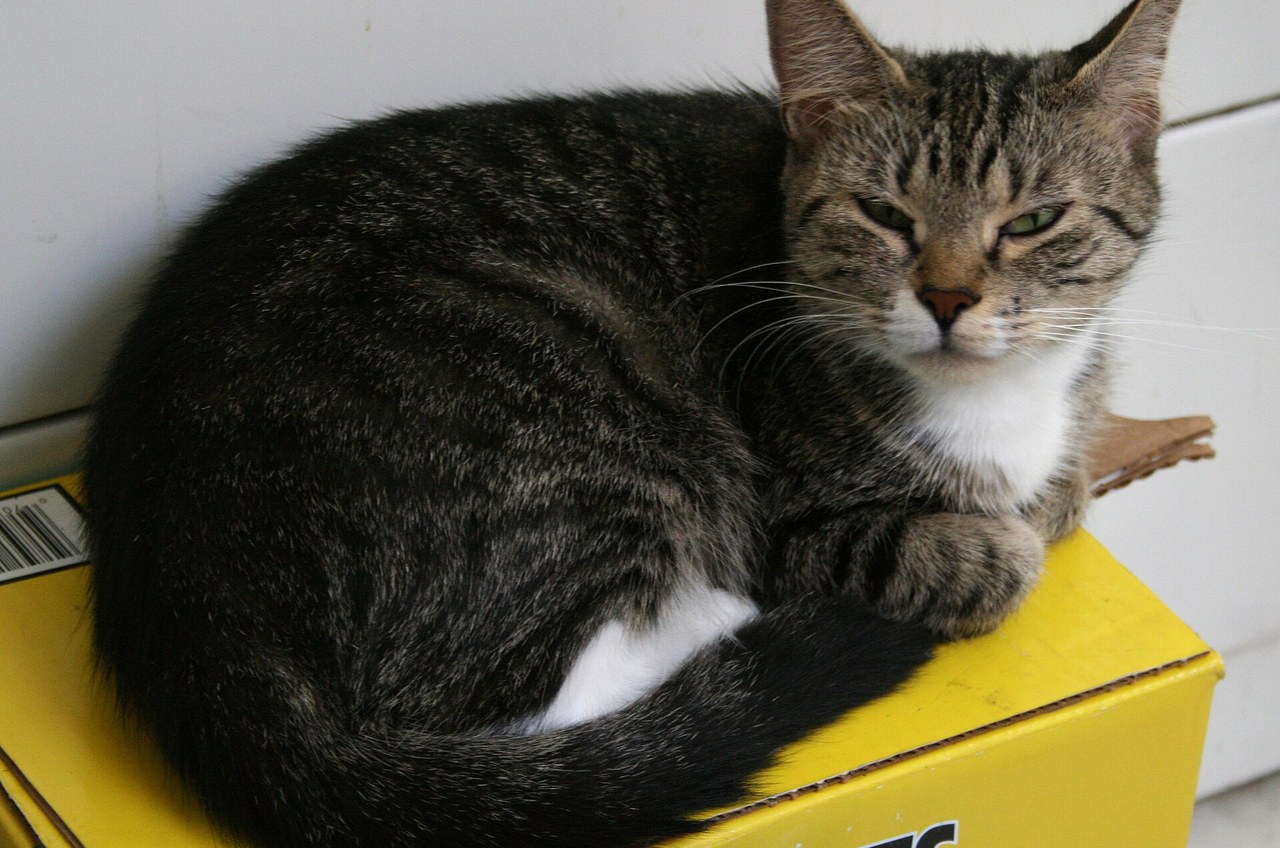
A cat not using the litter box is almost always communicating something physical, territorial or environmental — it is rarely spite. In Siberians the usual suspects are a box that has become too small for a large, slow-maturing frame, a coat that traps litter and scent, stress from being left alone too long, or an underlying medical problem that needs a vet. Work through the list below in order, because the cheapest fixes are also the most common ones.
Is it a medical problem or a behaviour problem?
Any sudden change in litter box habits in a Siberian should be treated as a possible medical issue first, especially in a male. Urinary blockages, cystitis, kidney problems and dental pain can all drive a cat away from the box, and a blocked male can deteriorate within a day. Book a vet visit before you start rearranging trays.
The distinction matters because behaviour fixes do nothing for a cat who is in pain, and a cat who associates the box with discomfort will keep avoiding it long after the infection clears. A vet check with a urine sample is the sensible first move for any cat who is urinating outside the box, straining, vocalising in the tray, or producing small frequent puddles.
Signs that point to medical rather than behavioural:
- Crying or straining in the box with little or no urine produced — emergency, especially in males
- Blood in the urine, or urine that smells unusually strong
- Urinating in sinks, baths or on cool tile rather than soft surfaces
- Increased drinking and larger volumes of urine
- Drooling, dropping food or chewing on one side, which can point to dental pain
- Sudden onset in a previously reliable cat, with no change to the household
Signs that point more toward behaviour:
- Consistent use of one specific spot, often a corner, a bed or a pile of laundry
- Spraying upright on walls or furniture rather than squatting
- A clear trigger in the timeline — a new cat, a move, new furniture, a houseguest, a baby
- The cat still uses the box for urine but not faeces, or vice versa
Siberians are stoic and sociable, which cuts both ways. They tend to hide discomfort well, so a cat who looks fine but has stopped using the tray may have been uncomfortable for a while. They also react strongly to social disruption, so a behavioural cause is genuinely plausible in this breed — but only after medical causes are ruled out.
Why would a Siberian specifically avoid the litter box?
Siberians have three breed traits that show up again and again in litter box complaints: they are big, they are heavily coated, and they are unusually people-oriented. A tray that suits an average cat often fails all three tests at once.
Size. Males commonly reach 5–9 kg, and the breed matures slowly, often taking three to five years to reach full size. A kitten-sized tray becomes genuinely cramped. Cats need to turn around, squat without their rear touching the sides, and in many cases stand to urinate. A tray should be roughly one and a half times the length of the cat from nose to base of tail.
Coat. The dense triple coat — guard, awn and undercoat — picks up litter, especially fine clumping clay and long pellets. Litter caught in the trousers can be uncomfortable, and some Siberians start avoiding the tray to avoid the mess. Long fur around the rear also traps urine and faeces, which can make a cat reluctant to soil themselves further.
Sociability. Siberians are interactive, follow their people around, and generally do poorly with long stretches alone. A cat left for ten hours a day in a single room with a covered tray in the corner is being set up to fail. Stress-related house soiling in this breed is often really a loneliness and territory problem.
There is also the hypoallergenic marketing to keep in mind, because it occasionally leads owners to unusual arrangements — a cat confined to one room, for example, to limit allergen spread. That kind of restriction can itself trigger box avoidance in a breed that wants to be wherever its people are. No cat is truly allergen-free, and lower Fel d 1 production does not change the cat’s social needs.
What litter box setup does a Siberian actually need?
The right setup for a Siberian is large, open, unscented, scooped daily, and provided in more than one place. Most box avoidance in this breed resolves with a bigger tray, a finer unscented litter, an uncovered design, and a second box in a different room.
Work through this checklist in order:
| Setup issue | Typical Siberian problem | Practical fix |
|---|
—
| — |
|---|
Adult male cannot turn or squat cleanly
| Storage box, 60 cm+ long |
|---|
Heat, trapped odour, coat contact with sides
| Remove lid or flap |
|---|
Aversion, especially with sensitive noses
| Unscented fine clumping litter |
|---|
Territorial stress in multi-cat homes
| One per cat plus one, separate rooms |
|---|
Startle response
| Quiet, low-traffic spot with an escape route |
|---|
Discomfort after use | Hygiene trim around rear and trousers |
How do you rule out stress in a sociable breed?
Stress-related avoidance in Siberians usually traces to a change in the social or territorial map: a new cat, a move, building work, a new baby, a houseguest, or a long stretch alone. Identify the trigger, restore predictability, and give the cat more control over its space.
Siberians are more interactive than the average cat, which means they notice disruption more. A few specific things help:
- Keep the cat’s core territory stable. If you are moving house, set up one room first with the familiar tray, bedding and scratching posts, and confine the cat there for a few days before opening up the rest.
- Introduce new cats slowly. Scent swapping, then brief visual contact, then supervised time. Rushing this is a reliable route to spraying.
- Provide vertical territory. Siberians are athletic climbers and need cat trees, wall shelves and high perches. Vertical space reduces territorial tension in a way that floor space alone cannot.
- Protect against loneliness. If work patterns mean long days alone, consider a second cat, a midday visitor, or timed feeders and puzzle toys. This breed does not do well with isolation.
- Clean soiled spots with an enzymatic cleaner. Standard detergent leaves scent markers that invite repeat use.
- Do not punish. Reprimands increase anxiety and teach the cat to soil out of sight.
If a cat is spraying upright rather than squatting, that is usually territorial rather than aversion, and it often needs a behaviourist as well as a vet. Your vet can rule out medical causes and may refer you to a qualified feline behaviourist — general guidance cannot substitute for an in-person assessment of a complex multi-cat household.
Does a Siberian’s health history change the picture?
Yes, in two ways. First, Siberians have a known breed concern with hypertrophic cardiomyopathy, screened by echocardiogram and linked to a MYBPC3 gene variant. HCM itself does not typically cause litter box avoidance, but a cat under investigation or on medication may have altered routines and stress levels worth accounting for. Second, the breed’s other health areas — polycystic kidney disease, hip dysplasia and dental disease — can all affect box use.
| Health area | How it can affect the box | What to do |
|---|
—
| — |
|---|
Stress around vet visits; medication routines
| Breeder screening history; regular echocardiogram |
|---|
Increased urination, larger volumes
| Ultrasound screening; vet monitoring |
|---|
Difficulty squatting or climbing into a high-sided tray
| Low-sided tray, ramps, vet assessment |
|---|
Pain on eating; general discomfort
| Dental checks; watch for dropping food |
|---|
Straining, frequency, avoidance | Urgent vet visit, especially males |
If your Siberian came from a breeder, ask for the parents’ screening history for HCM and PKD. It will not answer a litter box question directly, but it tells you how closely to watch for urinary and kidney changes as the cat ages.
What should you do in the first 48 hours?
Act quickly and in a fixed order: vet first if there are any urinary signs, then setup changes, then stress reduction. Most cases improve within a week once the cause is addressed, but a blocked male can become critical in under 24 hours.
A practical sequence:
- Hour 0–2: Check for straining, crying or no urine. If present, call your vet immediately — this is an emergency.
- Same day: Add a second, larger, uncovered tray in a quiet spot. Switch to unscented litter, blending if needed.
- Day 1: Clean all soiled areas with an enzymatic cleaner. Note exactly where and how the cat is going — squatting or spraying, urine or faeces.
- Day 1–2: Identify recent changes. New cat, new furniture, new schedule, houseguests, building work.
- Day 2–3: Add vertical territory — a cat tree or shelf near the cat’s preferred spot. Give the cat more choice and more escape routes.
- Day 3–7: If there is no improvement, book a vet appointment with a urine sample. Ask about pain, dental health and kidney screening.
- Week 1–2: If medical causes are excluded, ask for a referral to a feline behaviourist.
Keep a simple log of times, locations and litter type. It is genuinely useful to your vet and it stops you guessing.
When should you stop troubleshooting alone?
Stop and get professional help if there is any sign of urinary obstruction, blood in the urine, repeated vomiting, weight loss, or a cat who is straining with no result. Also seek help if soiling continues for more than a week despite setup changes, if there is spraying in a multi-cat home, or if the cat is hiding and withdrawn.
The limits of general advice are real here. A litter box problem in a large, sociable, heavily coated breed can have several causes running at once — a too-small tray, a low-level urinary issue and a stressful household change, for example. Your vet can examine and test; a behaviourist can assess the household in person. What you can do is gather the evidence, fix the setup, and act fast on the urinary red flags. Siberians are forgiving cats who tolerate handling well and bond closely with their people, and most will return to the tray once the actual cause is removed. The trick is not assuming the cause is behavioural when it is not, and not assuming it is medical when a bigger, cleaner, quieter tray would have solved it in a day.
Frequently Asked Questions
Q: Why is my Siberian cat suddenly not using the litter box?
Sudden avoidance usually means pain, stress or a change in the tray itself. In Siberians, check for urinary problems first — especially in males — then look at tray size, litter type, cleanliness and any recent household change. A vet visit with a urine sample is the right first step if there are any urinary signs.
Is a covered litter box bad for a Siberian cat?
It often is. Siberians are large and heavily coated, so a covered box traps odour and heat and gives little room to turn around. An uncovered tray at least 60 cm long suits most adult males far better, and removing a flap is a quick test if you want to keep the hood.
How many litter boxes does a Siberian cat need?
The usual rule is one box per cat plus one, placed in different rooms rather than side by side. Siberians are sociable but still territorial, and a single tray in a multi-cat home is a common cause of avoidance and spraying.
Could my Siberian’s long coat be causing litter box avoidance?
It can contribute. The dense triple coat picks up fine litter, and fur around the rear can trap urine and faeces, making the tray uncomfortable. A hygiene trim around the rear and trousers, plus a low-dust unscented litter, often helps.
Do Siberians get stressed when left alone, and could that cause house soiling?
Yes. Siberians are unusually people-oriented and do poorly with long periods alone. Isolation, a new baby, a move or a new cat can all trigger avoidance or spraying. Vertical territory, predictable routines and, where possible, company during the day reduce the risk.
When is a cat not using the litter box an emergency?
If a cat, especially a male, is straining with little or no urine, crying in the tray, or repeatedly visiting the box with nothing to show, treat it as urgent and contact your vet immediately. A urinary blockage can become critical within a day.
Leave a Reply