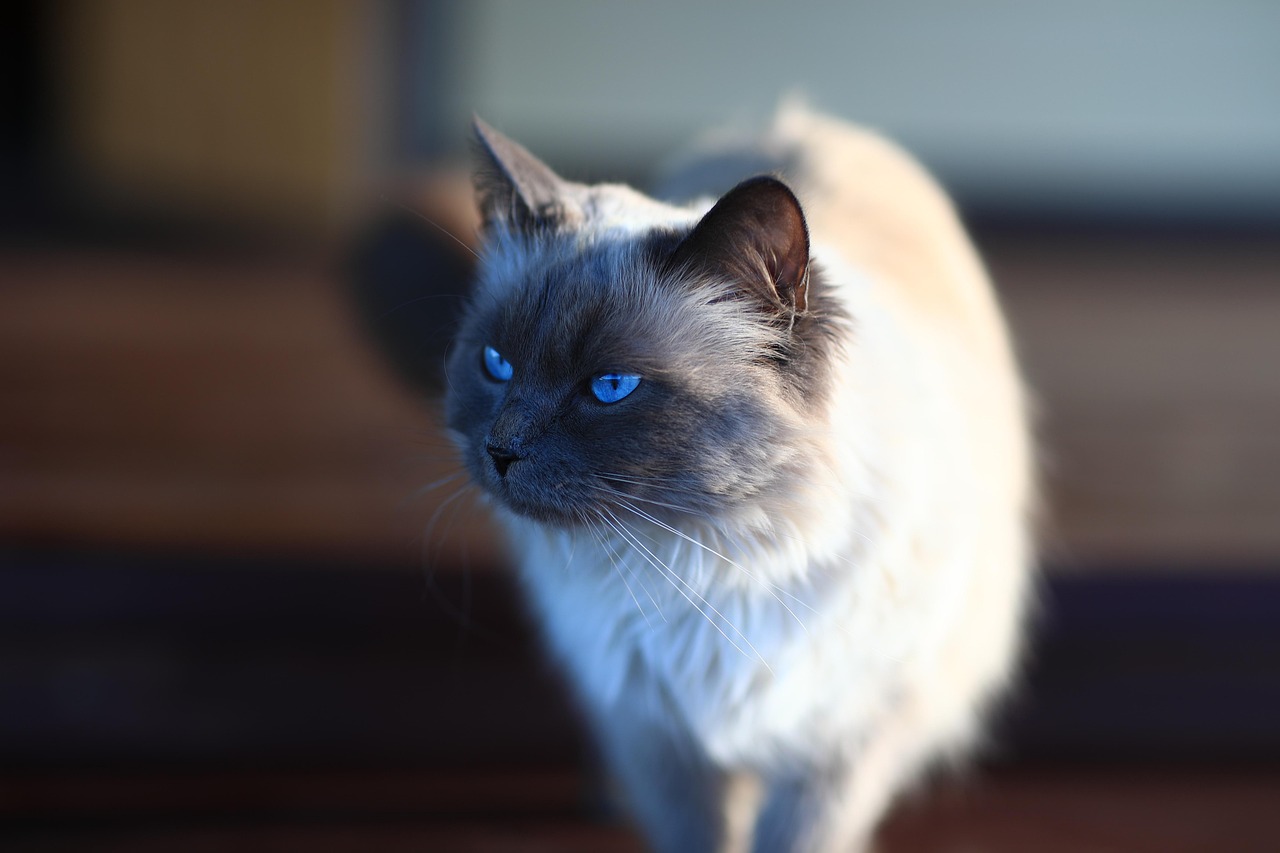
No — Siberian cats are not rare as a breed, but they are uncommon in most households, and genuinely well-bred examples can be surprisingly hard to find. The breed is fully recognised by major registries such as TICA, CFA and WCF, with a stable international breeding population. What creates the impression of rarity is a mix of geography, price, waiting lists and the simple fact that you rarely see one at the local shelter.
If you have spent weeks searching and come up empty, you are not imagining it. The gap between “recognised breed” and “available near me” is where most of the confusion lives, so it is worth unpacking properly.
How common are Siberian cats compared to other breeds?
Siberian cats sit in the middle tier of popularity: well established internationally, but far less numerous than Persians, Maine Coons, Ragdolls or British Shorthairs in most countries. Registry registration numbers and breeder counts consistently place them below those breeds, which is why they feel scarce even though they are not endangered or at risk of disappearing.
The breed’s history explains part of this. Siberians developed naturally in Russia over centuries as hardy, weather-resistant cats, and only began spreading widely to Europe and North America in the late twentieth century. A breed that has been building its Western population for a few decades simply has fewer cats on the ground than breeds established for a century or more.
Availability also varies sharply by region. In Russia and parts of Eastern Europe, Siberians are a familiar national cat. In the United States, Canada, the UK and Australia, you may find a handful of breeders in a large state or none at all in a smaller one. That regional unevenness is the single biggest reason people conclude the breed is rare.
Why do Siberian cats seem so hard to find?
Siberian cats seem hard to find because demand outpaces the supply from responsible breeders, and because good breeders deliberately keep their numbers small. A reputable Siberian breeder typically raises only a few litters a year, keeps kittens until they are around twelve to sixteen weeks old, and often has a waiting list that fills before kittens are even born.
Several practical factors stack up:
- Slow maturity. Siberians take three to five years to reach full size, and breeders often hold back promising kittens for their own programmes.
- Small litters and careful placement. Breeders prioritise health screening and temperament over volume, so they do not mass-produce kittens.
- Shelter scarcity. Because Siberians are usually acquired deliberately from breeders and kept for life, they rarely appear in rescue. When they do, they are snapped up quickly.
- Regional concentration. If your nearest breeder is several states away, the breed feels far rarer than it actually is.
- The “hypoallergenic” label. Siberians are marketed as producing lower levels of the Fel d 1 protein in their saliva, which draws a steady stream of allergy-motivated buyers and keeps waiting lists long. No cat is truly allergen-free, and individual reactions vary, so this reputation does more for demand than for actual supply.
What does a Siberian cat actually cost?
Siberian kittens from health-screened breeders typically cost more than the average pedigree cat, and prices have climbed as demand has grown. Exact figures vary by country, breeder reputation, pedigree and colour, so treat any range as a rough guide rather than a quote.
| Category | Typical range (USD) | Notes |
|---|
—
| — |
|---|
$1,000–$2,500
| Pet contract, often spay/neuter required |
|---|
$2,500–$4,000+
| May include breeding rights |
|---|
Often at the higher end
| Colourpoint variety, same breed |
|---|
$50–$300
| Rare; usually adult cats |
|---|
$300–$700
| Vertical territory and grooming tools add up |
|---|
$500–$1,200 | Food, litter, vet, grooming, insurance |
Two breed-specific costs are easy to underestimate. First, grooming: the semi-longhaired triple coat — guard, awn and undercoat — means real brushing time and heavier seasonal shedding, and some owners pay a groomer for help during coat blowouts. Second, vertical territory: Siberians are athletic climbers, so a sturdy floor-to-ceiling cat tree or wall shelving is not a luxury for this breed, it is basic equipment.
Are Siberian cats rare because of health problems?
No. Health issues do not make Siberians rare, but they do shape how careful breeders manage their programmes, and they affect what you should ask about. The breed’s main concern is hypertrophic cardiomyopathy (HCM), a heart condition seen across many cat breeds. There is a known MYBPC3 gene variant associated with HCM in Siberians, and responsible breeders screen breeding cats by echocardiogram, usually performed by a veterinary cardiologist.
Other areas worth discussing with a breeder include polycystic kidney disease, hip dysplasia and dental disease. None of these is unique to Siberians, and none is common enough to threaten the breed’s numbers.
This is one place where general guidance genuinely runs out. A DNA test result or a single echocardiogram does not guarantee a cat will never develop heart disease, and interpreting screening results is a job for a veterinarian or veterinary cardiologist. If a breeder cannot tell you which screening has been done on the parents, and when, that is your answer about how seriously they take it.
What should you do if you want a Siberian cat?
If you want a Siberian, plan for a wait of several months to over a year, and start by confirming that the breed actually suits your household before you join a list. These cats are social and people-oriented to an unusual degree: they follow owners from room to room, learn to fetch, tolerate handling well, and generally want to be involved in whatever you are doing. That same sociability means they do poorly when left alone for long stretches, so a household where someone is home much of the day is a better fit than one where the cat would be solo for ten hours.
A practical sequence looks like this:
Siberians generally handle children well when interactions are supervised and gentle, and their tolerance for handling makes them a reasonable choice for families who will respect a cat’s boundaries. They are not, however, a low-maintenance breed, and the coat alone rules them out for anyone unwilling to brush regularly.
Does the Neva Masquerade change the picture?
Not really. The Neva Masquerade is simply the colourpoint variety of the Siberian — same breed, same coat type, same temperament, same health considerations — with blue eyes and a lighter body colour contrasted against darker points. Some registries treat it as a colour variant, others as a separate breed designation, which occasionally causes confusion when people compare “Siberian” and “Neva Masquerade” availability. In practice, both come from the same breeding population, and neither is rarer than the other in any meaningful sense.
So, are Siberian cats rare?
Siberians are an uncommon breed, not a rare one. They are recognised, bred and shown internationally, with a healthy and growing population — but they are thinly distributed outside Russia and Eastern Europe, produced in small numbers by breeders who prioritise health over volume, and rarely available through rescue. If you want one, the realistic expectation is a wait, a significant price, and a breeder several hours away. That is a supply-and-demand story, not a scarcity story, and it says nothing bad about the breed itself.
Frequently Asked Questions
Q: Are Siberian cats rare in the United States?
They are uncommon rather than rare. Siberians are fully recognised by major US registries and bred across the country, but breeder numbers are low compared to breeds like Maine Coons or Ragdolls, and availability varies a lot by state. Expect a waiting list and possibly travel to collect a kitten.
Why are Siberian cats so expensive?
Small litter numbers, slow maturity, health screening costs and high demand all push prices up. Breeders who echocardiogram their breeding cats and raise kittens to twelve to sixteen weeks carry real costs, and the lower Fel d 1 reputation keeps demand steady, so prices rarely drop.
Are Siberian cats truly hypoallergenic?
No cat is truly allergen-free. Siberians tend to produce lower levels of the Fel d 1 protein in their saliva, and some allergy sufferers report fewer symptoms, but reactions vary widely between individuals. Spend time with an adult Siberian before committing if allergies are your reason for choosing the breed.
Can I adopt a Siberian cat from a shelter?
It happens, but it is uncommon. Most Siberians are bought deliberately from breeders and kept for life, so few enter rescue. When one does appear, it is usually an adult cat and is rehomed quickly, so setting alerts with local rescues is worth doing if you would prefer to adopt.
How long is the wait for a Siberian kitten?
Anywhere from a few months to over a year with a reputable breeder. Waiting lists often fill before litters are born, and breeders place kittens in order of deposit. If a breeder can offer you a kitten immediately with no list, ask careful questions about how they are raised and screened.
Leave a Reply