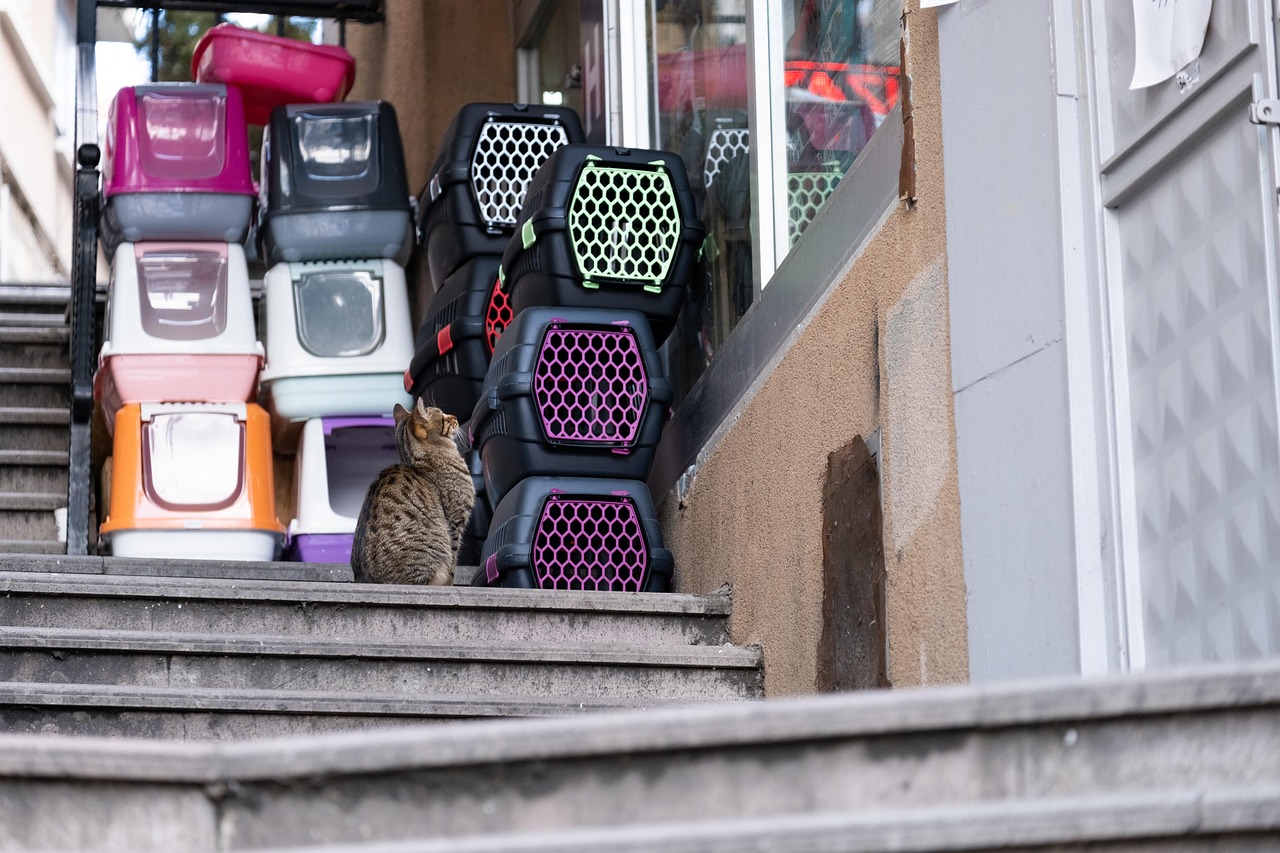
The short answer is three: one box per cat, plus one extra. For two cats that means three litter boxes, and if your two are Siberians, that number is a starting point rather than a generous allowance. Large bodies, heavy coats and a sociable nature that makes them want to be wherever you are all push the practical count higher than the formula suggests.
The “one per cat plus one” rule exists for good reasons. It spreads territorial pressure, so no single cat can guard the only resource in the house. It gives a nervous cat somewhere to go when the preferred box is occupied. And it buys you slack when one box is being scrubbed or has just been used. With Siberians, all three of those pressures are stronger than average.
Why do two cats need three litter boxes instead of two?
Two cats can physically share two boxes, but the plus-one rule protects against the most common cause of litter box avoidance: one cat deciding a box is no longer safe or available. Three boxes give each cat a genuine choice of location, so a dispute over one box never removes the only option.
Cats are fastidious about elimination, and they are also quietly territorial about it. A cat that is startled, blocked or crowded at a box may simply stop using it and pick a corner of the spare room instead. That behaviour is easy to prevent and miserable to fix once it becomes habit.
Siberians add a specific wrinkle: they like company. A Siberian following you from room to room will often follow its housemate to the box too, which turns a single shared box into a queue. Two boxes in the same room still count as one location for this purpose — the cats are still meeting at the same spot. Spreading boxes across the home solves that in a way that adding a second box beside the first does not.
How big does a litter box need to be for a Siberian?
A Siberian needs a box roughly one and a half times the length of its body, excluding the tail. For a large adult male that often means a box at least 60–70 cm long, with high sides and plenty of depth of litter. Most commercially sold “large” boxes are still too small for a full-grown male Siberian.
This is the detail most generic litter box advice gets wrong for this breed. Siberians are a large, slow-maturing breed: males commonly reach 5–9 kg, and cats can keep filling out until three to five years old. A box that suited a six-month-old kitten will be cramped for the same cat at four.
| Cat size | Minimum box length (approx.) | Notes |
|---|
—
| — |
|---|
40–50 cm
| Open, low-sided entry is easier |
|---|
50–60 cm
| High sides help contain litter |
|---|
60–70 cm+
| Often needs a storage tub rather than a pet-shop box |
|---|
70 cm+ | Deep litter, very high sides |
Practical options that fit a big Siberian: a high-sided plastic storage tub with a doorway cut into one end, an under-bed storage box, or a purpose-made extra-large hooded box with the lid removed. Depth matters as much as length — aim for enough litter that the cat can dig a proper hole, which for a Siberian’s paws means several centimetres, not a thin sprinkle.
Does a Siberian’s coat change litter box setup?
Yes, in two ways. The dense triple coat — guard, awn and undercoat — means Siberians trail litter and shed hair into the box far more than a short-haired cat, and their long fur around the hindquarters can pick up clumps and odour if the box is not kept genuinely clean.
The coat consequence is mostly about maintenance frequency. A box that a short-haired cat could tolerate for a day longer will start to smell and track with a Siberian in the house. Scoop at least twice a day, and expect to do a full litter change and box wash more often than the bag recommends.
The fur consequence is about the cat, not the box. Long fur around the rear can collect litter dust and small clumps. A quick check and, if needed, a gentle wipe is part of the routine — and it is a good reason to keep the litter itself low-dust. Clumping litter that holds together firmly is easier to scoop cleanly; very dusty or very coarse litter clings to a long coat.
Where should the boxes go in a Siberian household?
Boxes should be spread across different rooms and floors, placed away from food and water, with at least two escape routes from each box. A box tucked into a dead-end corner or beside a noisy appliance is a box a cat may avoid. For Siberians, the placement question is complicated by how much they want to be near you.
Siberians are famously people-oriented and will follow owners around the house. That means a box in the far corner of a cold utility room may simply go unused, because the cat would rather be where the household is. The workable compromise is boxes in quiet but lived-in spaces — a hallway, a spare room, a bathroom — rather than isolated spots.
Some practical placement rules:
- One box per floor in a multi-storey home, so no cat has to travel far or pass a guarding housemate.
- Not beside food or water bowls. Cats generally avoid eliminating near their food.
- Away from washing machines, boilers and doors that bang. Sudden noise at the box is a common cause of avoidance.
- Two exits where possible. A hooded box with a single door can trap a cat if another is waiting outside; an open box or one with a second opening avoids that.
- Not all in one room. Three boxes in the same room is one location with three boxes.
What litter box setup suits a large, sociable breed?
The best setup for two Siberians is three extra-large boxes, spread across at least two rooms, filled deeply with a low-dust clumping litter, scooped twice daily and fully changed and washed regularly. Add vertical interest nearby and keep the boxes away from the cat’s food and water.
A few specifics worth building into the routine:
- Depth of litter: several centimetres, so a large cat can dig properly.
- Box type: high-sided open boxes or lidded boxes with the lid off. Hoods trap odour, and a big cat in a small hooded box is a bad combination.
- Litter type: unscented, low-dust, clumping. Scented litter is a common avoidance trigger.
- Liner: optional. Many cats dislike the crinkle, and a big cat’s claws shred thin liners anyway.
- Cleaning products: unscented soap and water. Strong-smelling cleaners leave a scent mark that can deter a cat from returning.
How often should two Siberians’ boxes be cleaned?
Scoop at least twice a day, do a full litter change and wash every one to two weeks per box, and replace litter more often in summer or if a cat is a heavy digger. With three boxes and two large cats, that is a genuine weekly job, not a five-minute one.
A realistic weekly rhythm for a two-Siberian household:
| Task | Frequency |
|---|
—|
| Scoop solid waste and clumps | Twice daily, morning and evening |
|---|
Every couple of days |
| Full litter change and box wash | Every 1–2 weeks per box |
|---|
Weekly |
| Check rear fur for cling and clean if needed | Weekly, more in heavy shed |
The heavy seasonal shed is worth planning around. Siberians blow coat dramatically, and during those weeks you will be scooping more hair out of the box as well as brushing more off the cat. Keep a spare box clean and ready so one can be out of action for washing without leaving the household short.
When does the number of boxes need to go up?
Add boxes when you add a cat, when you move house, when a cat is ill or elderly, and when you notice any avoidance behaviour. Three boxes is the baseline for two Siberians, not a ceiling — a multi-storey home, a pair that squabble, or an older cat with mobility limits can all justify a fourth.
Watch for the early signs that the count or setup is wrong: urinating just outside the box, using one box only and avoiding others, meowing before entering, or a cat hovering rather than settling. These are usually about the box, not about spite.
If a cat starts eliminating outside the box and the setup has been checked and corrected, that is a veterinary matter rather than a litter box one. Urinary and kidney problems can present this way, and Siberians are a breed where polycystic kidney disease and dental disease are recognised concerns. A vet needs to rule out a medical cause before any behaviour work begins — general guidance cannot do that job.
What else does a Siberian need around the box?
Vertical territory. Siberians are athletic climbers, and a cat tree or shelf near the box area gives a cat somewhere to perch and survey rather than ambush or be ambushed at floor level. It also gives a nervous cat an exit route that does not involve walking past the box.
The sociability point cuts both ways here. A Siberian that follows you everywhere may also want to be present whenever the household gathers, so a box in a busy room can end up in the middle of foot traffic. High-sided boxes and a mat underneath reduce tracking; a quiet corner of a lived-in room is usually the better compromise than total isolation.
Finally, consider the company question. Siberians are social and do poorly with long stretches alone, and a bored, under-stimulated cat is more likely to develop odd habits around the box. Two Siberians are better company for each other than one, but they still need interactive play, climbing space and time with their people. A household that gets the enrichment right usually finds the litter box side of things settles down too.
Three boxes, extra-large, spread across the home, scooped twice a day — that is the honest baseline for two Siberians. It costs a little more floor space and a little more cleaning time, and it prevents the far more expensive problem of a cat that has decided the boxes are not worth using.
Frequently Asked Questions
Q: How many litter boxes should I have for two cats?
Three. The standard rule is one box per cat plus one extra, so two cats need three boxes. For two Siberians, treat three as a minimum rather than a generous allowance, since their size and sociability make sharing harder.
Do two cats really need three litter boxes, or can they share two?
They can share two, but it removes all slack. If one box is being cleaned or one cat guards it, the other has no alternative. Three boxes spread across different rooms prevent the most common cause of litter box avoidance.
How big should a litter box be for a Siberian cat?
Roughly one and a half times the cat’s body length, excluding the tail. For a large adult male that is often 60–70 cm or more, with high sides and deep litter. Many pet-shop boxes labelled large are still too small for a full-grown male Siberian.
Where should I put litter boxes in a house with two Siberians?
Spread them across different rooms and floors, away from food and water, in quiet but lived-in spaces. Avoid dead-end corners and noisy appliances, and give each box at least two escape routes where possible.
How often should I clean litter boxes for two Siberians?
Scoop at least twice a day, top up litter every couple of days, and do a full litter change and box wash every one to two weeks per box. Their dense coat and heavy shedding mean more frequent attention than a short-haired cat needs.
Why is my Siberian cat not using the litter box?
Usually the box itself — too small, too dirty, in a noisy spot, or scented litter. If the setup has been checked and corrected and the behaviour continues, see a vet promptly, as urinary and kidney problems can present this way and need to be ruled out.
Leave a Reply