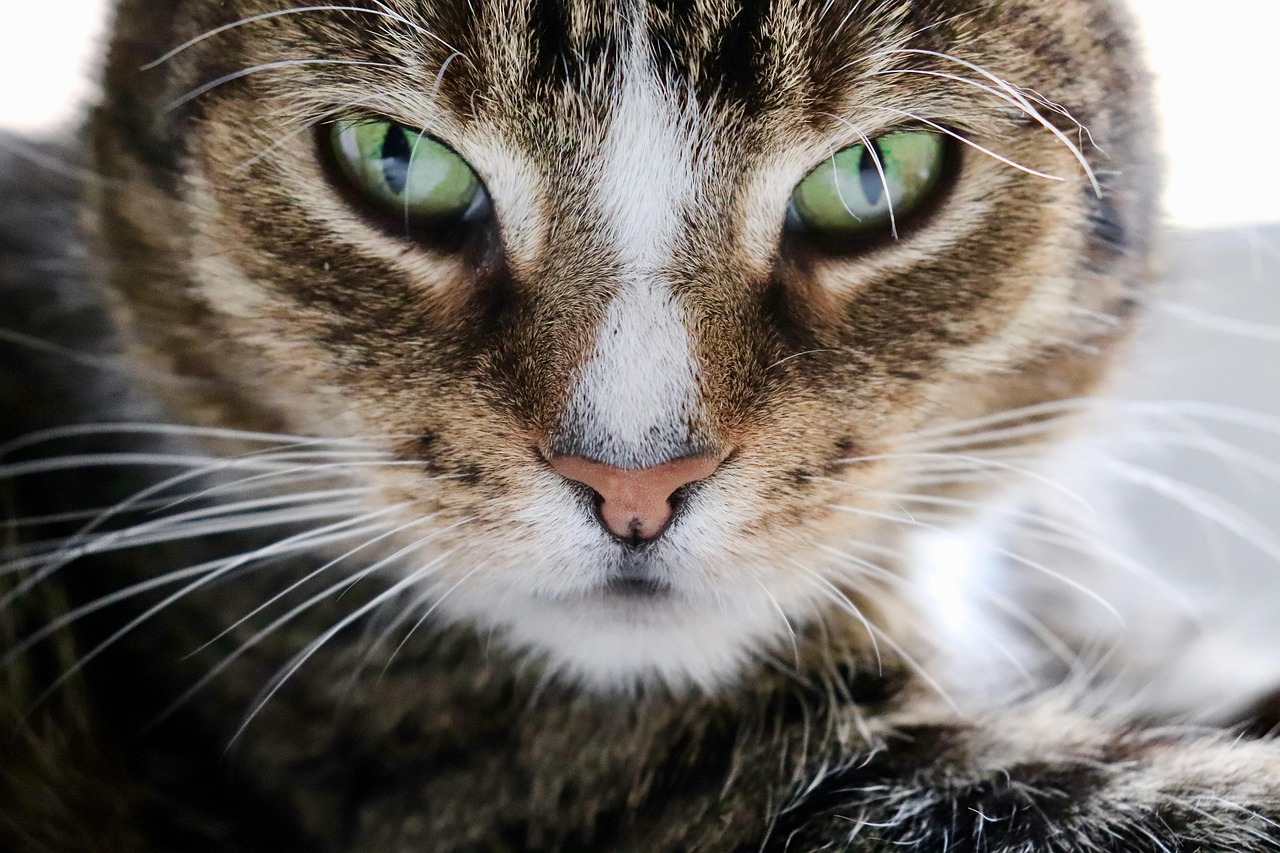
If your Siberian cat is crying at night, the most likely causes are unmet social contact, hunger or an eating schedule that doesn’t match their metabolism, and pent-up energy from a day without enough interaction or climbing. Siberians are unusually people-oriented, so a closed bedroom door and an empty house can genuinely upset them. Night crying that starts suddenly in an older cat, or that comes with restlessness, vocalising while staring at walls, or changes in appetite, needs a vet visit rather than a training tweak.
Siberians are not a quiet breed in the way some longhairs are. They chirp, trill and hold long conversations with their people, and many owners describe a running commentary that continues after lights out. That vocal range is normal. What matters is whether the night crying is new, escalating, or attached to a specific trigger. Below is how to tell the difference.
Why does my Siberian cat cry at night?
Siberian night crying usually traces to one of five causes: social need, hunger, boredom and unspent energy, discomfort or illness, and disrupted routine. Because the breed is highly interactive and slow to tire mentally, the social and boredom causes are over-represented compared with less people-focused cats.
The five causes overlap more than owners expect. A cat that cries at 3am may be hungry and lonely and under-exercised, and fixing only one leaves the behaviour in place. Work through them in order of likelihood for the breed rather than guessing at random.
Social need — the breed’s biggest trigger
Siberians form strong attachments and follow their owners from room to room. They often tolerate handling well and seek out company rather than solitude. A cat with that wiring, shut out of the bedroom, will often vocalise at the door for a while — sometimes for weeks — because the separation is the problem, not the darkness.
This is the behaviour people sometimes reach for a comparison with other animals to describe. The accurate description is simpler: Siberians are sociable, interactive and genuinely interested in their people. They learn to fetch, they supervise chores, they want to be in the room. Night crying from a Siberian is frequently a request for company, not a demand for food.
Hunger and meal timing
Cats are crepuscular by nature and many Siberians are genuinely hungry in the small hours if their last meal lands at 6pm. A large, slow-maturing breed with a substantial frame burns through a daytime meal. Splitting the daily ration into more meals, with the last one late, resolves a surprising share of night crying.
Boredom and unspent energy
Siberians are athletic climbers with a dense triple coat and a solid build, and they need vertical territory — cat trees, wall shelves, high perches — plus real interaction. A day of solo napping followed by an evening of nothing to do produces a cat with energy to burn at 2am. The crying is often an invitation to play.
Discomfort or illness
Pain, dental disease, arthritis, an overfull bladder or thyroid problems can all surface as night vocalising. Any sudden change in a previously quiet cat deserves a vet appointment. This is the one category where general guidance stops and professional assessment is genuinely necessary.
Routine disruption
A moved litter tray, a new baby, building work, a changed work schedule or a houseguest can all unsettle a sensitive Siberian. The breed is confident but not oblivious, and disruption often shows up first as night noise.
How do I tell night crying from normal Siberian chatter?
Normal Siberian vocalising is brief, conversational and settles quickly. Problem night crying is repetitive, persistent, directed at doors or owners, or accompanied by pacing, restlessness or other behaviour changes. Duration and pattern matter more than volume.
Keep a simple log for a week. Note the time, what the cat was doing beforehand, whether they had recently eaten, and whether they settled after contact. Patterns emerge fast, and you’ll have something concrete for the vet if a health cause is possible.
| What you observe | Likely meaning | First step |
|---|
—
| — |
|---|
Normal breed vocalising
| No action needed |
|---|
Social need
| Reconsider sleeping arrangements |
|---|
Hunger or routine
| Shift the last meal later |
|---|
Possible medical issue
| Vet appointment |
|---|
Possible medical issue
| Vet appointment |
|---|
Stress response | Restore routine, add reassurance |
What Siberian-specific traits make night crying more likely?
Siberians are large, slow-maturing, sociable cats with high interaction needs and a heavy coat. Their size means real calorie needs, their sociability means they dislike isolation, and their intelligence means under-stimulation shows up quickly as noise. All three push night crying higher than in a more independent breed.
A few breed details are worth knowing because they change the plan:
- Size and growth. Males commonly reach 5–9 kg, and Siberians can take three to five years to reach full size. Growing cats eat a lot, and a young Siberian’s night hunger is real, not manipulative.
- Coat and grooming. The dense triple coat means heavy seasonal shedding. Grooming is a bonding activity, and a good evening grooming session does double duty: it settles the cat and keeps the coat in order.
- Climbing drive. Vertical space is not optional. A Siberian without height in the home is a frustrated Siberian.
- Colourpoint Siberians (the Neva Masquerade) are the same breed with the same needs; their lighter colouring changes nothing about night behaviour.
Is my Siberian cat’s night crying a health warning?
Sometimes. Night crying is a recognised sign of pain, dental disease, hyperthyroidism, arthritis and cognitive change in older cats. In Siberians specifically, hypertrophic cardiomyopathy (HCM) is the breed’s main health concern, screened by echocardiogram, with a known MYBPC3 gene variant. HCM doesn’t typically cause night crying directly, but a cat with cardiac disease may be restless or uncomfortable, and any new vocalising pattern in a breed with this risk profile is worth raising with your vet.
Other breed-relevant areas include polycystic kidney disease, hip dysplasia and dental disease. Increased night vocalising alongside increased thirst, weight change, reduced jumping or reluctance to be handled are all reasons to book an appointment rather than adjust the routine.
Be clear about the limits here: only a vet, ideally one familiar with the breed, can examine, screen and diagnose. This article can tell you what to watch for and what to log. It cannot rule anything out.
What is a practical plan to stop night crying in a Siberian?
The plan has four parts: tire the cat before bed, feed late, provide night access and territory, and respond consistently. Give it two to three weeks. Siberians are intelligent and respond to routine, but they also test whether the old behaviour still works.
Step 1 — Build an evening play and grooming block (20–30 minutes)
Start about an hour before your bedtime. Two focused play sessions with a wand toy, with a short rest between, then a grooming session. Siberians often enjoy being brushed and handled, so this is genuine wind-down rather than a chore. Finish with the cat slightly tired and calm.
Step 2 — Move the last meal later
Split the daily ration across three or four meals and place the final one as late as practical. A cat with a full stomach at midnight is far less likely to cry at 3am. If your cat is a growing youngster, check portion sizes with your vet rather than guessing.
Step 3 — Give the night somewhere to happen
Provide a tall cat tree or wall shelves near where the family sleeps, a warm high perch, water, and access to a litter tray. A Siberian with a good vantage point and the option of company usually settles. If you keep the bedroom door shut, expect a transition period; a consistent response is what shortens it.
Step 4 — Respond the same way every time
Decide on one response and hold it. If the cat is crying for company, either let them in or consistently don’t — alternating teaches them that persistence eventually works, which is exactly the lesson an intelligent breed learns fastest. Never punish or spray; it raises stress and usually increases the noise.
Step 5 — Review after two weeks
Check your log. If the pattern has shifted, adjust. If nothing has changed, or the crying is escalating, or new symptoms have appeared, book the vet visit.
Do Siberians do badly when left alone at night?
Yes, more than many breeds. Siberians are social cats that do poorly with long periods alone, and night is simply a long period alone if they’re shut away from everyone. Two Siberians often keep each other company, but a single cat in a closed-off house may genuinely struggle.
If your circumstances mean long daily absences, plan for enrichment: timed feeders, puzzle feeders, window perches, rotated toys and, ideally, another cat. A second Siberian is a real commitment, not a quick fix, but the breed generally enjoys feline company.
What about children, guests and disrupted nights?
Siberians generally handle children well when interactions are supervised and gentle, and they tend to recover from busy evenings faster than more nervous cats. Even so, a house full of guests can produce a night of unsettled vocalising. Give the cat a quiet high retreat and a predictable evening, and the noise usually fades within a couple of days.
When should I stop adjusting and call the vet?
Call the vet if the crying is new in an older cat, comes with weight loss, increased thirst or appetite, reduced jumping, confusion, house soiling, or if the cat seems painful when handled. Also call if the crying is relentless despite a consistent routine. Age-related change, dental pain, thyroid disease, arthritis and cardiac concerns all need examination and testing that no article can substitute for.
For a breed with a known HCM risk and a slow maturation, an annual check — and a conversation with your vet about echocardiogram screening — is sensible groundwork. Night crying is often behavioural in Siberians, but “often” is not “always”, and the cost of checking is small next to the cost of missing something.
Most Siberian night crying is solvable. Feed later, play and groom in the evening, give the cat height and company, and respond the same way every night. Give it a few weeks, keep the log, and let the pattern tell you whether you’re dealing with a sociable cat who wants in, or a cat who needs to be seen.
Frequently Asked Questions
Q: Why does my Siberian cat cry at night?
The most common causes are social need, hunger, unspent energy, discomfort or illness, and routine disruption. Siberians are unusually people-oriented and interactive, so isolation and under-stimulation trigger night crying more often than in more independent cats.
Is night crying normal in Siberian cats?
Brief trills and chirps that settle quickly are normal breed vocalising. Repetitive crying directed at doors, pacing, or yowling that comes with other behaviour changes is not typical and should be investigated.
Can I train my Siberian cat to stop crying at night?
Yes, with consistency. Tire the cat with evening play and grooming, move the last meal later, provide vertical territory and night access, and respond the same way every time. Expect two to three weeks before the routine holds.
Should I let my Siberian cat sleep in my bedroom?
That’s a personal choice, but be consistent. Siberians are sociable and often settle better with company. Alternating between letting them in and shutting them out teaches persistence, which makes the crying worse.
When should I see a vet about night crying?
Book an appointment if the crying is new in an older cat, comes with weight loss, increased thirst or appetite, reduced jumping, confusion, house soiling, or signs of pain. Siberians have a known HCM risk, so cardiac screening is worth discussing with your vet.
Do Siberians get lonely at night?
They can. Siberians are social cats that do poorly with long periods alone, and a single cat shut away from everyone all night may genuinely struggle. Enrichment, and sometimes feline company, helps.
Leave a Reply