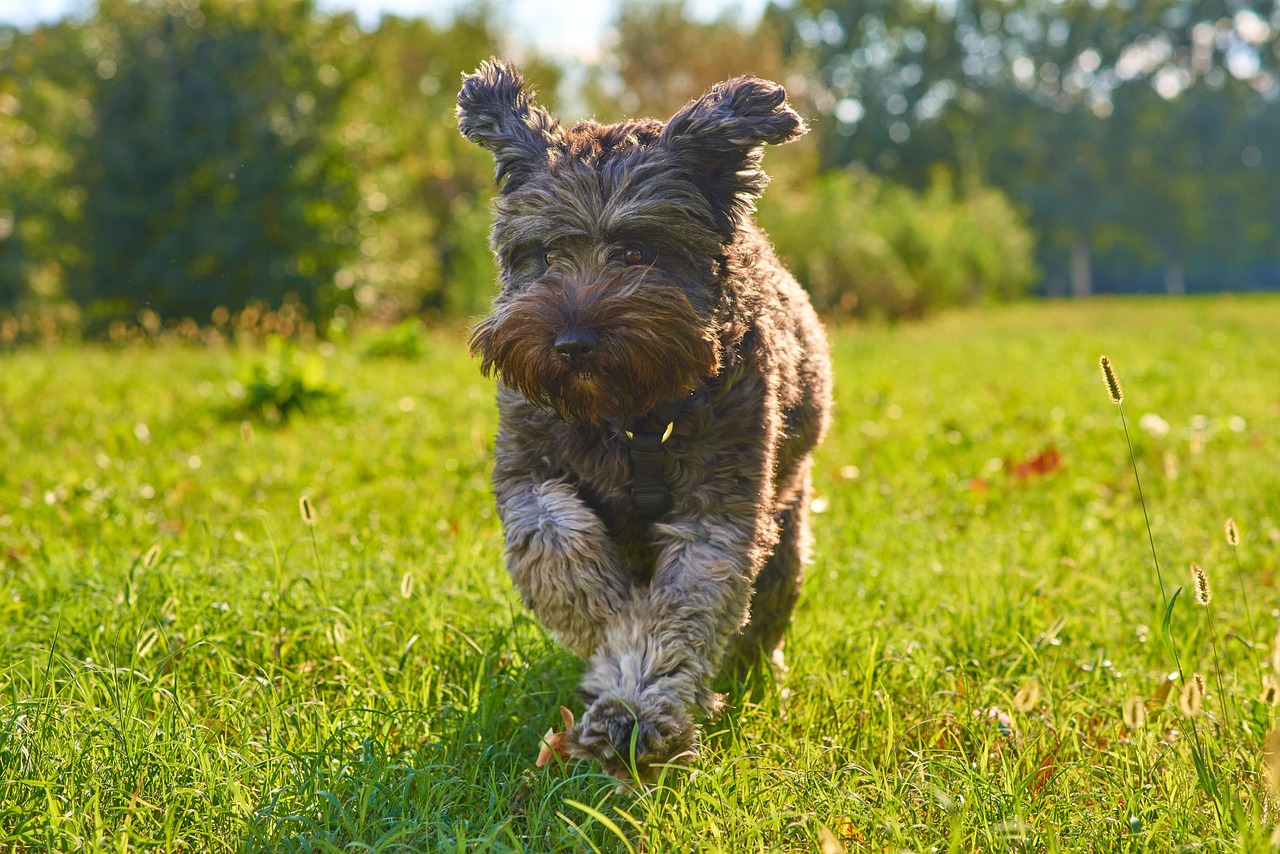
Your French Bulldog puppy isn’t forgetting their training—regression is a normal developmental phase where stress, routine changes, or even their own stubborn streak temporarily overrides what they already know. If your Frenchie was reliably going outside for weeks and suddenly starts peeing on the rug again, you need to treat this as a communication problem, not a defiance problem. Let’s break down exactly why this happens and what to do about it, breed-specific quirks included.
What Actually Causes Potty Training Regression in Puppies?
Regression is rarely about the bladder—it’s about the brain. Puppies go through fear periods, teething phases, and social development spikes that can temporarily disrupt their habits. For French Bulldogs specifically, their intense bond with you means they pick up on your stress, schedule shifts, or even the weather changing their walk routine.
The most common triggers are:
- Schedule disruption: You went back to work, or you started feeding them at different times.
- Fear periods: A loud noise, a scary encounter on a walk, or even a new piece of furniture can make them anxious.
- Teething discomfort: Chewing and mouth pain distract them from the urge to go.
- Overstimulation: Too much play or a new puppy class can exhaust their self-control.
- Medical issues: Urinary tract infections or gastrointestinal upsets can cause genuine accidents.
If your Frenchie is under six months old, their bladder control is still developing. They physically cannot hold it as long as an adult dog. But if they’re over six months and suddenly regressing, the cause is almost always behavioral or environmental.
Is This a Frenchie-Specific Problem or Normal Puppy Behavior?
This is normal puppy behavior, but French Bulldogs have two traits that make regression more likely and more confusing to handle: their stubbornness and their sensitivity to heat.
Frenchies are famously independent. When they don’t want to go outside—because it’s raining, too hot, or they’re mid-nap—they will simply refuse to move. This isn’t them forgetting their training; it’s them making a conscious choice. If you’ve been carrying them outside when they resist, they’ve learned that holding it until you give in works.
The heat sensitivity is another factor. French Bulldogs overheat quickly in warm weather. If you’re rushing them outside during the hottest part of the day, they may be too uncomfortable to focus on eliminating. They might do a quick squat, get distracted by the heat, and then come inside and pee where it’s cooler.
How Can I Tell If My Frenchie’s Regression Is Medical or Behavioral?
This is the first question you need to answer before changing any training approach. Sudden regression with no obvious trigger—no schedule change, no new environment, no fear event—warrants a vet visit. French Bulldogs are prone to urinary issues, and puppies can develop UTIs just like humans.
Watch for these signs that point to a medical problem:
| Sign | Likely Medical | Likely Behavioral |
|---|
—————-
| ——————- |
|---|
Yes
| No |
|---|
Yes
| No |
|---|
Yes
| No |
|---|
Yes
| No |
|---|
No
| Yes |
|---|
No | Yes |
If your puppy shows any of the medical signs, call your vet. This is general guidance, not a diagnosis—a urine test is the only way to confirm a UTI. If the accidents are situational—happening in the same spot, or only when you’re not looking—it’s behavioral.
What Should I Do Differently With My Frenchie During Regression?
Stop punishing, start supervising. French Bulldogs respond terribly to harsh corrections—they shut down, get more anxious, and will hide to pee instead of doing it in front of you. Instead, you need to rebuild their confidence and their schedule.
Here’s a concrete 7-day reset plan tailored to a Frenchie:
Days 1-2: Full Supervision
Keep your puppy tethered to you with a leash indoors. No free roaming. Watch for their “I need to go” signals—for Frenchies, this is often pacing, sniffing the floor, or suddenly stopping play. Take them out every 45 minutes, not just after meals. When they go outside, reward with a high-value treat immediately. Frenchies are food-motivated, so use something extra special like boiled chicken or cheese, not their regular kibble.
Days 3-4: Rebuild the Schedule
Feed them at exactly the same times every day. Take them out 15 minutes after eating, immediately after waking, and right before bed. For a Frenchie, avoid midday outdoor trips when the temperature is above 75°F—their flat faces make breathing harder in heat, and they’ll rush the job. If it’s hot, use a potty pad indoors as a backup rather than forcing them outside.
Days 5-7: Gradual Freedom
If they’ve had three consecutive accident-free days, give them access to one room while you’re home. Keep supervising. If they have an accident, go back to tethering for another two days. This isn’t punishment—it’s management. You’re preventing the behavior from becoming a habit.
How Do I Clean Accidents So My Frenchie Doesn’t Repeat Them?
French Bulldogs have an incredible sense of smell, and if they can still detect their own scent, they’ll treat that spot as a designated bathroom. Regular household cleaners don’t eliminate the enzymes in urine—they just mask the smell for humans.
You need an enzymatic cleaner specifically designed for pet messes. These break down the proteins in urine, eliminating the scent entirely. Spray the area thoroughly, let it air dry completely, and don’t let your puppy near it until it’s dry. If your Frenchie has a favorite spot on the rug, you may need to repeat the treatment twice.
For fabric surfaces like sofas or beds, wash with an enzymatic additive. For hard floors, avoid ammonia-based cleaners—they smell like urine to a dog and will encourage repeat marking.
What If My Frenchie Is Regressing Because of Separation Anxiety?
This is a big one for the breed. French Bulldogs are companion dogs bred to be with their humans constantly. If you’ve recently returned to work or changed your schedule, your puppy might be so distressed during your absence that they lose control of their bladder.
Signs of separation-related regression include:
- Accidents only when you’re gone, never when you’re home
- Destructive behavior near doors or windows
- Excessive barking or whining when you leave
- Panting, drooling, or pacing before you even walk out the door
If this sounds familiar, you need to address the anxiety, not just the potty training. Start with short departures—just 2-3 minutes—and gradually increase the time. Give your Frenchie a puzzle toy stuffed with treats to keep them occupied. Never make a big deal out of leaving or returning; keep it calm and low-key.
For severe cases where your puppy is harming themselves or the house, you need professional help. A certified dog behaviorist or your vet can guide you through a desensitization protocol. This is general guidance, not a substitute for professional intervention if the anxiety is severe.
How Long Will This Regression Last?
Most behavioral regressions resolve within one to two weeks if you’re consistent. French Bulldogs are smart, but they’re also stubborn—if you give in to their resistance even once, you’ll extend the timeline. They need to learn that the routine is non-negotiable.
If you’re still seeing daily accidents after two weeks of strict supervision and schedule management, revisit the medical question. Some puppies develop urinary issues secondary to stress, and a vet check can rule that out.
Also, remember that Frenchies mature slower than some breeds when it comes to bladder control. Some don’t reliably hold it through the night until they’re five or six months old. If your puppy is younger than that, you might be expecting too much too soon. Set realistic expectations based on their age, not their size.
Are There Any Frenchie-Specific Mistakes I Might Be Making?
Yes, and these are the ones I see owners make constantly:
Mistake 1: Carrying them outside when they refuse to walk. This teaches them that holding it works. If it’s safe to walk, make them walk. If it’s too hot, use a pad indoors. Don’t create a lazy bladder.
Mistake 2: Using the same treat for potty that you use for training. Frenchies need to know that potty outside is the highest-value activity. Save the premium treats exclusively for elimination outdoors.
Mistake 3: Ignoring the heat factor. If you live in a warm climate, your Frenchie might genuinely struggle to hold it during the hottest hours because you’re not taking them out enough. Schedule potty breaks for early morning and late evening, and use pads during peak heat.
Mistake 4: Free-feeding. French Bulldogs are prone to weight gain, and free-feeding makes their bathroom schedule unpredictable. Feed measured meals at set times so you know when they need to go.
FAQ
Q: Should I scold my Frenchie for having an accident indoors?
A: No. Scolding after the fact does nothing—your puppy won’t connect the punishment to the act. It only makes them afraid of you and more likely to hide accidents. Clean up silently and refocus on prevention.
Q: My Frenchie was perfect for a month, then suddenly started peeing in the house. What changed?
A: Look for a trigger in the last 48 hours: a schedule shift, a loud noise, a new person or pet, or even a change in your mood. Frenchies are highly attuned to their owners. If you can’t identify a trigger, a vet visit is warranted to rule out a UTI.
Q: Is it okay to use potty pads for my Frenchie during regression?
A: Yes, especially if you live in a hot climate or an apartment with no easy outdoor access. But be consistent—if you use pads, use them in one designated spot. Mixing pads and outdoor training confuses puppies. Once the regression passes, you can transition back to outdoor-only.
Q: How long can my Frenchie puppy hold their bladder at night?
A: A general rule is their age in months plus one hour, up to a maximum of about 8 hours. A three-month-old Frenchie can typically hold it for about four hours. If they’re having accidents overnight, they may need a middle-of-the-night potty break.
Frequently Asked Questions
Q: Should I scold my Frenchie for having an accident indoors?
No. Scolding after the fact does nothing—your puppy won’t connect the punishment to the act. It only makes them afraid of you and more likely to hide accidents. Clean up silently and refocus on prevention.
My Frenchie was perfect for a month, then suddenly started peeing in the house. What changed?
Look for a trigger in the last 48 hours: a schedule shift, a loud noise, a new person or pet, or even a change in your mood. Frenchies are highly attuned to their owners. If you can’t identify a trigger, a vet visit is warranted to rule out a UTI.
Is it okay to use potty pads for my Frenchie during regression?
Yes, especially if you live in a hot climate or an apartment with no easy outdoor access. But be consistent—if you use pads, use them in one designated spot. Mixing pads and outdoor training confuses puppies. Once the regression passes, you can transition back to outdoor-only.
How long can my Frenchie puppy hold their bladder at night?
A general rule is their age in months plus one hour, up to a maximum of about 8 hours. A three-month-old Frenchie can typically hold it for about four hours. If they’re having accidents overnight, they may need a middle-of-the-night potty break.
More Siberian cat answers on this topic
Why Is My Frenchie Puppy Not Getting Potty Training?
Most potty training failures in French Bulldogs come down to one of four things: you’re missing the signals, the schedule is too loose, the reinforcement isn’t motivating enough, or there’s an underlying physical issue. Frenchies are smart but stubborn — they don’t respond to pressure or punishment, and they will absolutely shut down if you scold them for accidents. They also have small bladders and a brachycephalic respiratory system that makes them less likely to “ask” by barking at the door if they’re already tired or overheated.
The biggest hidden culprit is often inconsistent timing. If you’re taking your puppy out “whenever you remember” rather than on a strict schedule, you’re leaving too much room for accidents. A 12-week-old Frenchie can physically hold their bladder for about one hour per month of age — so a three-month-old puppy needs a potty break every three hours, minimum. But that’s a maximum, not a goal. Many Frenchies need more frequent breaks than the math suggests because they drink water in bursts and have small bladders relative to their body size.
Another overlooked factor: your Frenchie may not generalize the behavior. If you only ever take them out to the same spot in your backyard, they may not understand that “outside” means anywhere outside — including the sidewalk, a friend’s yard, or the park. They’ve learned a location, not a rule.
Are You Missing the Early Warning Signs?
French Bulldogs are not natural communicators about needing to go out. Unlike some breeds that learn to ring bells or scratch at the door quickly, Frenchies often need explicit teaching of a “tell” behavior. But before you can teach a tell, you need to recognize the subtle physical cues that mean “I need to go now.”
Watch for these specific signals in your Frenchie:
- Sniffing the ground in a focused circle — this is the #1 sign, but it’s brief. You have about 30-60 seconds from the first sniff to getting them outside.
- Sudden pause in play — if your puppy was zooming around and just stops, that’s often a bladder signal.
- Restlessness or pacing — especially after a nap or a meal.
- Moving toward the door or standing near it — even if they haven’t learned to scratch yet, they may position themselves near the exit.
- Squatting slightly while walking — this is the last-second signal. If you see this, scoop them up immediately and run outside.
The tricky part with Frenchies: their flat faces make them prone to snorting, snuffling, and general noisy breathing. Don’t confuse those sounds with a potty signal. And because they overheat easily, a puppy that’s been playing hard may be so focused on catching their breath that they won’t signal at all — they’ll just squat mid-play. This is why you need scheduled breaks during play sessions, not just reactive ones.
What Should I Do Differently With a Stubborn Frenchie?
French Bulldogs are famously food-motivated, which is your single biggest advantage. But you need to use that motivation correctly — and most owners don’t. The key is timing and value, not just giving a treat afterward.
Here’s what changes with a Frenchie:
How Do I Reset the Whole Routine?
If you’ve been at this for more than two weeks with no improvement, stop what you’re doing and start fresh with a structured reset. This isn’t admitting defeat — it’s giving your Frenchie clearer information.
Here’s the 7-day reset plan:
Days 1-3: Total supervision and a tight schedule. Treat your puppy like they’re 8 weeks old again. No unsupervised access to any room. Keep them tethered to you with a leash attached to your belt, or confine them to a small puppy-proofed area where you can watch them constantly. Take them out every 60-90 minutes, after every meal, after every nap, and after every play session. Yes, this is exhausting. It’s also how you rebuild the habit from scratch.
Days 4-5: Add structured freedom. If you’ve had 48 hours with zero accidents, start giving them freedom in one room at a time, but only for 15-20 minute stretches while you’re actively watching. Keep the leash on indoors so you can redirect them the second they start circling.
Days 6-7: Test longer intervals. Gradually extend the time between potty breaks by 15 minutes, but only if they’re consistently staying dry. If they have an accident, go back to the previous interval for another day.
Crate training is non-negotiable during this reset. Frenchies can be crate-resistant at first, but a properly sized crate (just big enough to stand up, turn around, and lie down) is your best tool for teaching bladder control. They won’t want to eliminate where they sleep. If you haven’t crate trained yet, start now — but make the crate a positive space with treats and meals, never a punishment. [LINK: french bulldog crate training guide]
Could This Be a Medical Problem?
Yes, and you need to rule this out before you blame yourself or your training methods. French Bulldogs are prone to several conditions that can cause house-training failures that look like behavioral issues.
- Urinary tract infections (UTIs) — These are common in puppies and cause frequent, urgent urination. If your puppy is squatting frequently, producing only small amounts, or seems to be in discomfort when peeing, a UTI is possible.
- Bladder stones or crystals — Frenchies can develop these, and they cause similar symptoms to UTIs.
- Hormonal imbalances — Rare in puppies, but possible.
- Structural issues — Some female Frenchies have recessed vulvas, which can cause urine pooling and dribbling that looks like accidents.
- IVDD or back pain — If your Frenchie is reluctant to squat or seems to have trouble posturing to pee, spinal issues could be at play.
If you notice any of these signs — frequent straining, blood in urine, excessive thirst, or sudden regression after a period of success — this is not a training problem. Take your puppy to the vet for a urinalysis. This is general guidance, not medical advice, and a urine test is quick and inexpensive. Rule out the physical causes first, then go back to training with confidence.
What If My Frenchie Only Has Accidents at Night?
Nighttime accidents in French Bulldogs are often a separate issue from daytime training. If your puppy is dry all day but wetting the crate at night, consider these factors:
Water cutoff timing. Stop offering water 2-3 hours before bedtime. This doesn’t mean withholding water all evening — just stop refilling the bowl after about 7-8 PM, depending on when you go to bed. Make sure they have a good drink earlier in the evening.
Last potty break timing. The last trip outside should be as late as possible — right before you go to bed, not right before you start winding down. If you take them out at 9 PM but don’t go to bed until 11, that’s a two-hour gap where they’re awake and might need to go again.
Crate size. If the crate is too big, your puppy can comfortably eliminate in one corner and sleep in another. Block off part of the crate to make the space cozier. This is a common fix for “nighttime accidents” that are actually just a too-spacious crate.
Set an alarm. A 10-12 week old Frenchie may genuinely not make it through the night. Set an alarm for the middle of the night — say, 2-3 AM — and take them out quietly. Carry them to the potty spot, let them eliminate, give a quiet reward, and put them straight back in the crate. No play, no lights, no conversation. This teaches them that nighttime potty is boring business.
Leave a Reply