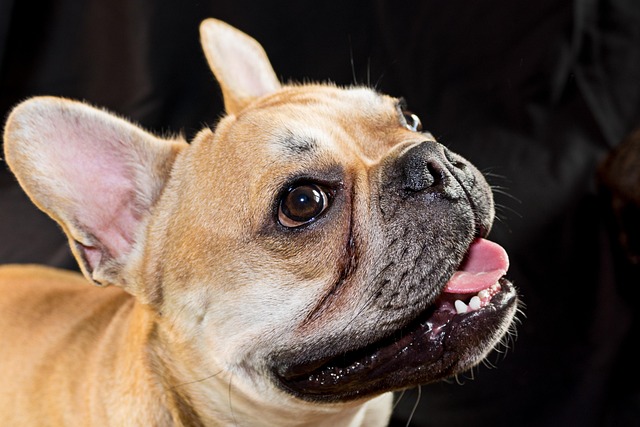
# Does My Dog Keep Barking Because of Heat? A French Bulldog Owner’s Guide
Yes, heat is a very common reason a dog keeps barking — and for French Bulldogs it’s often the main reason. Unlike a Lab that can pant it out, a Frenchie’s flat face makes cooling down genuinely hard work. When a Frenchie can’t shed heat fast enough, barking is one of the few tools it has to say “I’m uncomfortable.”
If your Frenchie has suddenly turned into a barking machine on warm days, that’s not a coincidence, and it’s not just stubbornness. Below is what’s actually happening, how to tell heat-barking apart from other barking, and what to do about it.
Why Does Heat Make a French Bulldog Bark More?
Heat barking happens because a French Bulldog physically can’t cool down efficiently, so it uses sound to vent frustration and signal distress. Brachycephalic dogs move air through a narrow airway, which means panting — their main cooling system — works poorly. Barking becomes an outlet.
Here’s the mechanics in plain terms:
- Panting is inefficient. A normal dog moves a lot of air per breath to cool the blood in its nasal passages. A Frenchie’s shortened snout means less surface area and more turbulence. It overheats faster and stays hot longer.
- Heat raises stress hormones. A dog that feels too warm gets restless, and restlessness in a bored or anxious Frenchie often comes out as noise.
- Frustration barking. If your Frenchie wants to go outside, go for a walk, or just move around and you’re keeping it still because of the heat, it complains. Loudly.
- Discomfort barking. Skin folds get sweaty and irritated in summer, and a hot, itchy Frenchie is a vocal one.
So the short answer to “does my dog keep barking because of heat” is: very often yes, especially if the barking clusters around the hottest part of the day.
How Do I Tell Heat Barking Apart From Other Barking?
Heat barking has a distinct pattern: it shows up on warm days, peaks in the afternoon, and comes with physical signs like heavy panting, drooling, and seeking cool floors. If your Frenchie barks the same amount in January as in July, heat probably isn’t the cause.
Run through this quick comparison:
| Barking Type | When It Happens | Accompanying Signs | Frenchie-Specific Trigger |
|---|
—
| — | — |
|---|
Warm days, midday, after exercise
| Heavy panting, drooling, red gums, lying on tile | Flat-face overheating |
|---|
When you leave or prepare to leave
| Pacing, destructive chewing, howling | Intense bonding, prone to anxiety |
|---|
Mealtimes, walk time, when ignored
| Staring at you, pawing, stops when rewarded | Stubborn streak + food motivation |
|---|
Doorbell, strangers, other dogs
| Stiff posture, staring at trigger | Territorial instinct |
|---|
Long stretches alone, repetitive | Monotonous, rhythmic, often at nothing | Low exercise tolerance = under-stimulated |
If two or more boxes are ticked, you may be dealing with a mix. Heat is frequently the trigger that makes an underlying [demand-barking habit](https://pawsandwhiskerss.online/why-is-my-french-bulldog-barking/) worse.
What Are the Warning Signs My Frenchie Is Overheating, Not Just Barking?
Barking plus any of the following means stop everything and cool your dog down immediately: frantic panting, thick drooling, bright red gums, wobbling, vomiting, or a glazed look. These are signs of heat stress and can escalate to heatstroke fast in French Bulldogs.
General guidance only — this is not veterinary advice. If your Frenchie is struggling to breathe, has collapsed, or has blue-tinged gums, that is an emergency. Call your vet or an emergency clinic right away. Brachycephalic dogs can go from “a bit hot” to “in crisis” in a very short window.
Early and late signs to watch:
| Stage | What You’ll See | What To Do |
|---|
—
| — |
|---|
Extra panting, seeking shade, slower pace
| Move indoors, offer cool water, rest |
|---|
Loud panting, wide stance, drooling, barking
| Active cooling: wet the belly and paws, fan, air-con |
|---|
Wobbling, vomiting, red/blue gums, collapse | Emergency vet now — do not wait it out |
What Can I Do Right Now to Stop the Heat Barking?
Cool the dog first, then address the barking. A hot Frenchie won’t respond to training cues, so lowering its body temperature is step one. Once it’s comfortable, reward quiet behavior and remove the trigger — usually the heat itself.
Concrete steps for a French Bulldog, in order:
If your Frenchie barks specifically because it wants to go out during the hottest hours, redirect with a frozen treat or a puzzle feeder instead. That gives the mouth and brain something to do that isn’t barking.
How Do I Prevent Heat Barking Before It Starts?
Prevention means shifting your Frenchie’s day so the heat never gets the chance to build up. Walk early morning and after sunset, keep the house cool, and give your dog a job to do indoors during peak heat.
A summer routine that works well for Frenchies:
- Before 8am: main walk, while the pavement is still cool. Test the ground with the back of your hand — if it’s too hot for you, it’s too hot for paws.
- 10am–5pm: indoors only. This is the window when heat barking is most likely. Air-con or fans on, cool mat down, and a frozen stuffed toy ready.
- Midday enrichment: a frozen Kong or snuffle mat. Ten minutes of sniffing tires a Frenchie out more than a walk does.
- After 7pm: second short walk once the ground has cooled.
Keep walks short in summer — 10 to 15 minutes is often plenty for a Frenchie in the heat. Long walks in warm weather are the single biggest cause of heat-related distress in this breed. If your dog is also struggling with crate time during the day, our [LINK: french bulldog crate training guide] covers how to keep that calm and cool.
Does a French Bulldog Bark in the Heat More Than Other Breeds?
Yes — French Bulldogs are among the breeds most affected by heat, so they bark from discomfort more often than long-nosed dogs. Their flat faces, thick build, and low heat tolerance mean they hit their limit at temperatures other dogs shrug off.
Two breed traits make this worse:
- Stubbornness. A Frenchie that wants to be outside will keep demanding it, even when it’s too hot. You have to be the one who holds the line, calmly and consistently.
- Strong human bonding. If you’re home and the dog is hot and bored, it will bark at you for help. That’s not manipulation — it’s a companion breed doing what it was bred to do: stay close and get your attention.
The flip side is that Frenchies respond beautifully to reward-based training. Short, treat-driven sessions work far better than correction. If barking is tipping into [anxiety when you’re out](https://pawsandwhiskerss.online/how-to-deal-with-french-bulldog-separation-anxiety/), our [LINK: french bulldog separation anxiety tips] goes deeper on that specific pattern.
When Should I Actually Call the Vet?
Call your vet if the barking comes with breathing difficulty, repeated vomiting, collapse, or if your Frenchie seems distressed even after cooling down. Also book a check-up if heat barking is new and intense — it can sometimes point to pain, allergies, or airway issues.
A few things worth raising with your vet specifically:
- Airway assessment. Some Frenchies have [narrowed nostrils or an elongated soft palate](https://pawsandwhiskerss.online/why-do-french-bulldogs-have-breathing-problems/) that makes heat far worse. This is a real medical issue, not just “the breed.”
- Skin folds. Sweaty folds get infected in summer and cause itch-driven barking. Your vet can show you how to clean and dry them properly.
- Allergies. Food and environmental allergies flare in warm months and can drive constant scratching and barking.
- Back pain (IVDD). A Frenchie in pain may bark when it can’t get comfortable. Heat and pain can look similar from the outside.
This article is general guidance, not medical advice. Only your vet can examine your dog and rule out the conditions above.
FAQ
Q: Why does my French Bulldog bark more in summer?
A: French Bulldogs are brachycephalic, so they can’t cool down efficiently by panting. In summer, that discomfort makes them restless and vocal. Barking is often their way of signalling “I’m too hot” or demanding to go somewhere cooler.
Q: Can heat alone make a dog bark?
A: Yes. Heat causes physical discomfort, stress, and frustration, all of which trigger barking. If the barking appears on warm days, peaks in the afternoon, and comes with heavy panting or drooling, heat is the likely cause.
Q: How do I stop my Frenchie barking from the heat?
A: Cool the dog first — air-conditioning, fans, cool water on the belly and paws. Once the panting eases, reward the first quiet moment with a treat. Frenchies are food-motivated, so reward-based training works quickly. Never shout, as it increases arousal.
Q: When is heat barking a medical emergency?
A: If barking comes with frantic panting, thick drooling, red or blue gums, vomiting, wobbling, or collapse, treat it as an emergency and contact your vet immediately. French Bulldogs can deteriorate very quickly in the heat.
—INTERNAL_LINKS—
- [LINK: french bulldog crate training guide]: Fits the section on keeping a Frenchie calm and cool indoors during peak heat, where crate time often comes up.
- [LINK: french bulldog separation anxiety tips]: Fits the section comparing barking types and the breed’s intense bonding, where anxiety-driven barking is a natural next question.
- [LINK: french bulldog summer care checklist]: Fits the prevention section, giving owners a seasonal routine to pair with the daily heat-management steps.
Related: Why Do French Bulldogs Bark Like That? Breed Quirks Explained
Related: What Are French Bulldogs Diet Needs? A Complete Guide
Leave a Reply