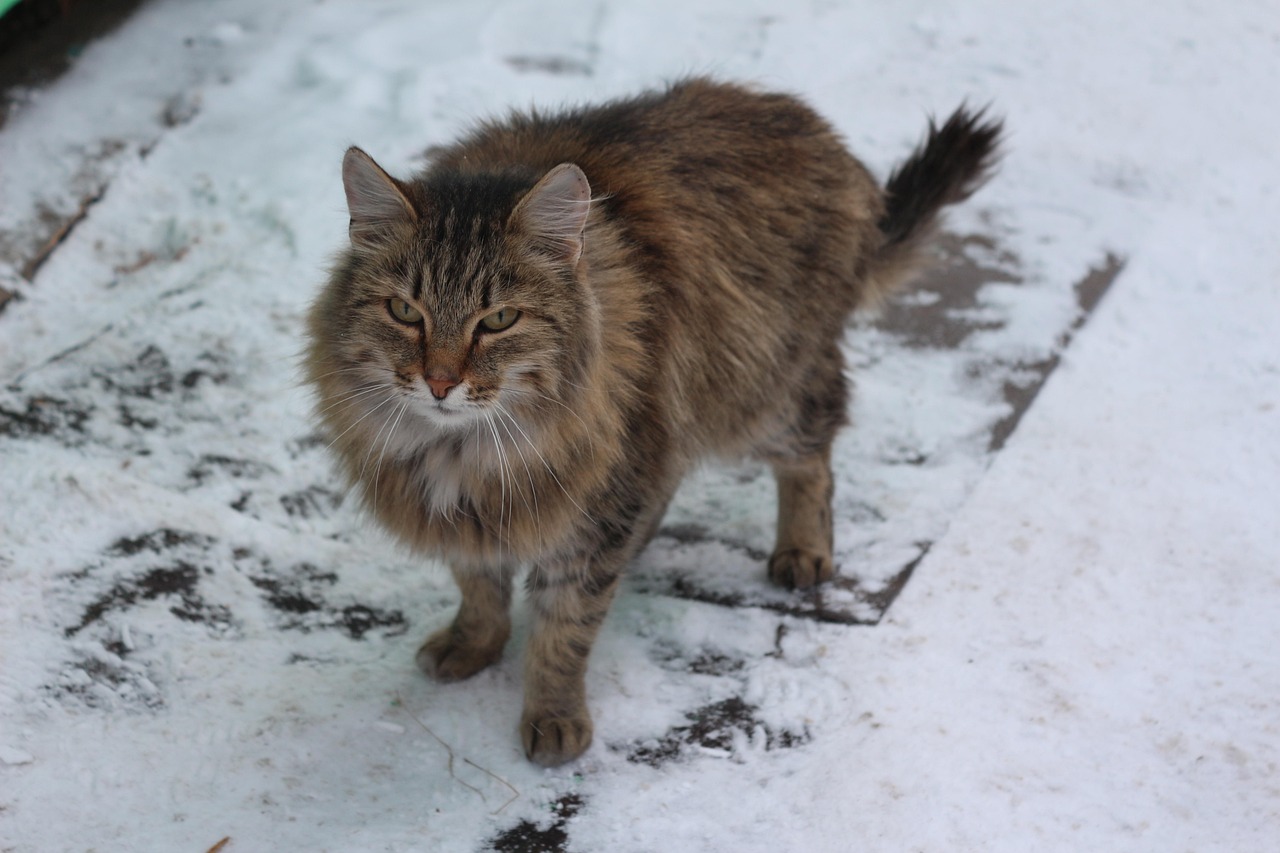
# Siberian Cat Price by Color and Breeder vs Rescue
A Siberian kitten from a breeder typically costs between $1,500 and $4,000, while adopting a Siberian or Siberian mix from a rescue usually runs $100 to $400. Coat color barely moves the price — a colorpoint kitten might cost $200–$500 more than a classic tabby, but health testing, pedigree, and breeder reputation drive the real numbers.
If you’re here, you’re probably weighing a purebred Siberian against a rescue cat, or you’ve seen wildly different prices online and want to know what’s actually going on. Both paths can give you a wonderful companion. They just cost very different amounts up front — and sometimes in very different ways down the line.
What actually drives the price of a Siberian cat?
The single biggest factor in Siberian cat pricing is not the cat’s appearance. It’s the breeder’s investment in health testing, the cat’s pedigree, and where you live. A breeder who tests breeding cats for HCM (hypertrophic cardiomyopathy) and FIV/FeLV, raises kittens indoors underfoot, and registers litters with TICA or CFA charges more because those things cost money and time.
Here’s how the main cost drivers stack up:
| Factor | Effect on Price | Why It Matters |
|---|
—
| — |
|---|
+$300–$800
| Reduces risk of heart disease and inherited conditions |
|---|
+$500–$1,500
| Show titles and champion ancestry raise value |
|---|
+$0–$500
| Colorpoint and rare patterns cost slightly more |
|---|
±$500
| Urban coastal areas and high-demand regions cost more |
|---|
+$100–$300
| TICA/CFA registration confirms lineage |
|---|
+$200–$400 if already done | Many breeders sell kittens altered or with a contract |
A kitten from a backyard breeder with no testing might be $800. A kitten from a health-focused breeder with champion lines might be $3,500. The difference isn’t cosmetic — it’s the probability that your cat develops a serious, expensive, heartbreaking condition later.
Does coat color really change the price?
Not much. Color is the least important pricing factor for Siberians, despite what some listings suggest. The breed comes in all colors and patterns except pointed cats with white — and even colorpoint Siberians (often called “Neva Masquerade”) are widely available.
Where color can nudge the price:
- Colorpoint (Neva Masquerade): Sometimes $200–$500 more, especially from breeders who market them as a distinct line.
- Rare patterns like ticked or silver: Occasionally priced higher by breeders chasing specific looks.
- Solid colors and classic tabbies: Usually the baseline price.
- Show-quality markings: A breeder may charge more for a kitten with perfect markings if they think it has show potential.
Honestly? If a breeder is charging $1,000 extra purely for color, that’s a marketing decision, not a health one. A blue tabby and a colorpoint from the same healthy parents are equally likely to be wonderful cats. Don’t let color be the deciding factor in your budget.
Breeder vs rescue: what’s the real cost difference?
The up-front gap is large, but the full picture is more nuanced. A breeder kitten costs $1,500–$4,000. A rescue Siberian or Siberian mix costs $100–$400, often including spay/neuter, microchip, and initial vaccines.
| Cost Category | Breeder | Rescue |
|---|
—
| — |
|---|
$1,500–$4,000
| $100–$400 |
|---|
Often included or +$200–$400
| Usually included |
|---|
Often included
| Usually included |
|---|
Usually included
| Usually included |
|---|
Yes (reputable breeders)
| Rarely known |
|---|
Yes
| Often unknown |
|---|
3–12 months
| Days to weeks |
|---|
High | Moderate |
Rescues often pull Siberians from shelters when owners surrender them, or when a breeder situation is shut down. Purebred Siberians do end up in rescue — less often than domestic shorthairs, but it happens. Breed-specific Siberian rescues exist, and general shelters occasionally label a fluffy, hypoallergenic-ish cat as a “Siberian mix.”
The trade-off: breeder kittens come with known health backgrounds and predictable traits. Rescue cats come with unknown histories but a much lower barrier to entry and the knowledge that you’ve given a cat a home.
What ongoing costs should I expect either way?
Siberians are large, long-haired cats, and that affects your monthly budget. Expect $80–$150 per month for food, litter, and routine care, plus annual vet visits around $200–$400.
Because Siberians are obligate carnivores, their diet needs to be protein-focused. Unlike dogs, cats can’t thrive on high-carb kibble. A quality wet or raw diet costs more than bargain dry food — budget $40–$80 monthly for food alone. This isn’t optional; it’s species-appropriate nutrition.
Long coats mean more grooming. Plan on brushing 2–3 times weekly, more during seasonal sheds. Mats are painful and can hide skin issues, so this is a health task, not vanity.
Litter box costs matter too. Siberians are large cats, so a standard box may be too small. A jumbo box with unscented clumping litter runs $20–$40 monthly. And here’s the cat-specific part: litter box habits are your best daily diagnostic tool. If your Siberian suddenly avoids the box, pees outside it, or strains, that’s a medical red flag — especially in males, where a blocked bladder (FLUTD) can become fatal within 24–48 hours. Never wait on that.
How do I find a reputable Siberian breeder?
Look for a breeder who health-tests breeding cats, raises kittens indoors, lets you visit or video-call, and provides a written contract. Expect a waitlist of 3–12 months and a deposit of $300–$500.
Red flags:
- No HCM testing on breeding cats
- Kittens ready to leave before 12 weeks
- No contract or health guarantee
- Multiple litters available immediately, year-round
- Won’t let you see the mother or the home environment
- Prices far below market ($500–$800) with no explanation
Ask directly: “What health tests do you run on your breeding cats, and can I see the results?” A good breeder will answer without hesitation. They’ll also ask you questions — about your home, other pets, and whether you understand the grooming commitment. That’s a good sign.
Siberians are often marketed as hypoallergenic. The truth is more complicated: they produce less Fel d 1 protein than many breeds, but no cat is truly allergen-free. If allergies are your reason for choosing a Siberian, spend time with an adult Siberian before committing. [LINK: living with cat allergies]
What should I check before adopting a Siberian from rescue?
Ask for a full medical history, a fecal and blood panel if available, and a behavior assessment. Many rescue Siberians are adults with unknown backgrounds, so temperament may take weeks to surface.
When you bring a rescue Siberian home, remember that cats are territorial and routine-driven. A new environment is genuinely stressful. Set up a single “safe room” with food, water, a litter box, and a hiding spot. Keep the door closed for 3–7 days. Sit in the room and talk softly. Let the cat approach you — never pull a hiding cat out.
Watch for these signals in the first two weeks:
- Eating and drinking: A cat that stops eating for 24+ hours needs veterinary attention. Cats hide illness, and anorexia in cats can quickly lead to liver problems.
- Litter box use: Normal pee and poop within 24–48 hours is a good sign. Straining, crying, or nothing at all is urgent.
- Grooming: Over-grooming or stopping grooming entirely both signal stress or illness.
- Hiding: Some hiding is normal. Total withdrawal for days is not.
Rescue cats often need more patience, but they bond just as deeply. Give them vertical space — a cat tree by a window — and scratching posts. These aren’t luxuries; they’re how cats feel safe and claim territory.
Are there cheaper ways to get a Siberian?
Yes. Breed-specific rescues, retired breeding cats, and rehoming situations can bring the cost down to $0–$500.
Retired breeding cats are adults (usually 4–8 years old) that breeders place in pet homes once they’re done breeding. They’re often spayed/neutered, health-tested, and socialized. Cost is usually $300–$800, sometimes free to the right home. The catch: they may need time to adjust to being a pet rather than a queen or stud.
Rehoming happens when owners move, develop allergies, or can’t afford care. Check breed-specific Facebook groups, Siberian rescue networks, and local shelters. Be cautious of “free to good home” listings — they can attract people with bad intentions. Always ask questions and, if possible, meet the cat in its current home.
Shelter Siberians are the rarest finds but do happen. A fluffy, large, dog-friendly cat with a thick triple coat might be a Siberian or a mix. DNA tests can confirm, but honestly, if the cat suits your home, the paperwork matters less than the match.
What about the long-term health costs?
Siberians are generally robust, but like all cats they face specific risks as they age. Chronic kidney disease, hyperthyroidism, dental disease, and osteoarthritis are common in older cats — including Siberians.
Budget for:
- Annual wellness exams: $200–$400
- Dental cleanings: $400–$900, often needed every 1–3 years
- Senior bloodwork (age 8+): $150–$300 yearly
- Emergency fund: $1,000–$3,000, or pet insurance at $30–$70 monthly
Pet insurance is worth considering if you buy from a breeder, since you’ll have a known health lineage to insure against. For rescue cats with unknown histories, insurance can still help, but pre-existing conditions won’t be covered. Get quotes before you commit.
One hard rule: never give a cat human medication. Paracetamol (acetaminophen) and ibuprofen are rapidly fatal to cats. Even a small dose can cause severe poisoning. If your cat seems unwell, call your vet or an emergency clinic — don’t reach for your medicine cabinet.
This article is general guidance, not veterinary advice. Any change in appetite, litter box habits, breathing, or behavior in a cat warrants a real vet conversation, because cats are experts at hiding illness until they’re seriously unwell.
Frequently Asked Questions
Q: Is a Siberian cat expensive to own?
Yes, more than many breeds. Expect $1,500–$4,000 up front from a breeder, then $80–$150 monthly for food, litter, and routine care. Long coats mean grooming costs, and large size means bigger litter boxes and more food. Rescue Siberians cost far less up front but may have unknown health histories.
Do Siberian cats come in different colors, and does it affect price?
Siberians come in nearly all colors and patterns, including colorpoint (Neva Masquerade), tabby, solid, and silver. Color affects price only slightly — usually $200–$500 more for colorpoint or rare patterns. Health testing and pedigree matter far more than coat color.
Should I get a Siberian from a breeder or a rescue?
Choose a breeder if you want a kitten with known health testing, predictable temperament, and a documented lineage. Choose rescue if you want a lower-cost adoption and are willing to be patient with an adult cat’s adjustment. Both can be deeply rewarding; the right choice depends on your budget and tolerance for uncertainty.
Are Siberian cats really hypoallergenic?
They produce less Fel d 1 protein than many breeds, so some allergy sufferers tolerate them better. But no cat is truly allergen-free. Spend time with an adult Siberian before committing if allergies are your main reason for choosing the breed.
Leave a Reply