A fluffy Frenchie is a French Bulldog carrying two copies of the recessive long-hair gene, which gives it a longer, softer coat than the standard short-haired Frenchie. Everything else — body shape, flat face, personality, health risks — is the same breed. The difference is coat length, price, and a handful of grooming and health considerations.
If you’re trying to decide between the two, or you’re wondering whether the fluffy version is a different breed entirely, the short answer is no. It’s the same dog wearing a different coat. But that coat comes with real practical consequences, and some of them matter more than new owners expect.
Is a fluffy Frenchie a different breed?
No. A fluffy Frenchie is a French Bulldog, full stop. It is not a crossbreed, not a “designer mix,” and not a separate variety recognized by any major kennel club. The long coat comes from a recessive gene — often referred to as the FGF5 long-hair mutation — that both parents must carry for a puppy to be born fluffy.
That last point matters more than most buyers realize. Two standard French Bulldogs can produce fluffy puppies if both carry the gene silently. A breeder who tells you their fluffy litter came from two “normal” Frenchies isn’t necessarily lying — but they should be able to explain the genetics, and a responsible one will have tested the parents.
Because the trait is recessive, fluffy Frenchies are less common, which is the main reason they cost more. It is not because they’re a rarer breed. It’s supply and demand on a coat variation.
What does a fluffy Frenchie actually look like?
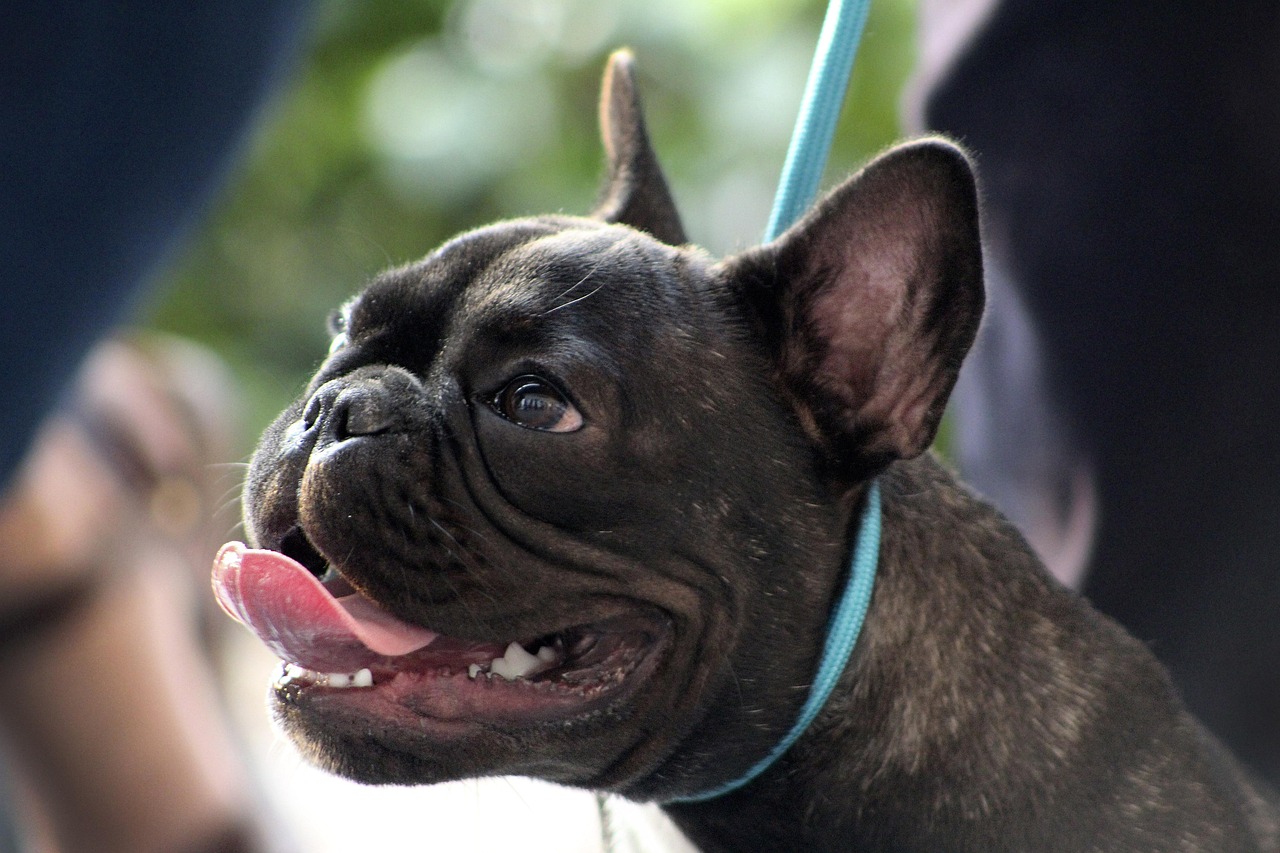
A fluffy Frenchie has the same compact, muscular body, bat ears, flat face, and short muzzle as any other French Bulldog. The coat is longer — often described as medium-length, wispy, or slightly feathered — and typically soft rather than coarse. Some fluffies have a visible “mane” around the neck and feathering on the ears, legs, and tail.
The length varies a lot. Some fluffies look like a standard Frenchie with a slightly fuzzier finish. Others have a noticeably long, almost spaniel-like coat. This range is normal, because the gene expresses differently depending on the individual and possibly on other genetic factors breeders don’t fully control.
What you won’t see: a fluffy Frenchie with a different head shape, different ears, or a longer snout. If a puppy looks structurally different from a standard Frenchie, that’s a sign of mixed breeding, not the fluffy gene.
Fluffy vs standard Frenchie: side-by-side comparison
| Feature | Standard Frenchie | Fluffy Frenchie |
|---|
—
| — |
|---|
Short, smooth, close to the body
| Medium to long, soft, often wispy |
|---|
Moderate, short hairs that stick to fabric
| Often heavier, longer hairs, more visible |
|---|
Weekly wipe-down or rubber brush
| Brushing 2–3 times per week, more in shedding season |
|---|
Daily/weekly cleaning of facial folds
| Same — coat length doesn’t change fold risk |
|---|
Lower end of the Frenchie range
| Noticeably higher, often substantially so |
|---|
Recognized everywhere
| Same breed; coat length is not a recognized show variety |
|---|
Breed-typical risks apply
| Same risks, plus coat-related considerations |
|---|
Poor | Poor — arguably worse with a heavier coat |
The heat row is the one people underestimate. French Bulldogs are brachycephalic, meaning their shortened airways make breathing inefficient. A longer coat adds insulation on top of an already compromised cooling system. A fluffy Frenchie in summer is a dog that needs shade, air conditioning, and short walks at dawn or dusk — not a dog you take on a midday hike.
Why do fluffy Frenchies cost so much more?
Because the gene is recessive and the trait is uncommon, supply is limited. Breeders who produce fluffies know buyers seek them out, and pricing reflects that. You’re paying for rarity of appearance, not for a healthier or “better” dog.
That’s worth sitting with. A higher price does not mean a better-bred dog. In some cases, the opposite is true: breeders chasing the fluffy look may breed for appearance without doing the health testing that actually matters in this breed. If you’re paying a premium, the premium should come with proof — not just a cute photo.
What responsible breeding looks like in a Frenchie, fluffy or not:
- Both parents tested for the long-hair gene if a fluffy litter is claimed
- Screening for breed-relevant conditions, including spinal issues and airway assessment
- Honest disclosure of any carrier status for inherited problems
- A contract that lets you return the dog if a vet finds a serious issue
If a breeder can’t or won’t provide that, the coat length is the least of your concerns.
Does the fluffy coat change grooming and skin care?
Yes, and this is where fluffy owners do more work than standard owners. The longer coat traps more loose hair, holds more moisture, and mats more easily — especially behind the ears, under the front legs, and around the tail base.
A practical grooming routine for a fluffy Frenchie:
If your fluffy Frenchie develops persistent itching, hair loss, or a smell that returns within days of a bath, that’s a vet visit, not a grooming problem. Food allergies and skin infections are common in this breed and need proper diagnosis. General grooming advice won’t fix a medical issue.
Are fluffy Frenchies less healthy than standard ones?
The long coat itself isn’t a disease. But there are two honest points to make.
First, the fluffy gene is a cosmetic trait. Breeding for it narrows the gene pool if breeders focus on appearance over health. That’s a population-level concern, not a guarantee about any individual dog — but it’s why you should ask harder questions of a breeder charging fluffy prices.
Second, the coat can mask or worsen existing breed problems. French Bulldogs already deal with:
- Brachycephalic airway issues — noisy breathing, exercise intolerance, overheating
- IVDD and other spinal problems — a real risk in this breed, and one where jumping off furniture is a genuine hazard
- Cherry eye and other eye conditions
- Skin fold dermatitis and allergies
- Difficulty giving birth — most Frenchies require cesarean sections
None of these change based on coat length. A fluffy Frenchie has the same flat face, the same spine, and the same breathing limitations as a standard one. If anything, the coat adds a layer of difficulty in hot weather and a layer of concealment for skin problems.
If you’re considering a fluffy Frenchie, ask the breeder directly about the parents’ airway health, spinal history, and skin history. And budget for pet insurance or a savings fund from day one — this is a breed where vet costs add up regardless of coat.
Which one should you actually get?
Get the standard Frenchie if you want lower grooming effort, easier skin checks, and a lower purchase price. Get the fluffy Frenchie if you specifically love the look and are prepared for more brushing, more shedding cleanup, and more careful heat management.
What you should not do is assume the fluffy version is a different, rarer, or hardier dog. It isn’t. It’s a French Bulldog with a longer coat and a higher price tag, and it comes with every breed-specific quirk that makes Frenchies wonderful and demanding in equal measure.
Either way, the traits that define life with this breed are identical: a stubborn, funny, intensely bonded companion that wants to be wherever you are, overheats easily, needs patient reward-based training, and will follow a treat anywhere. The coat changes how much you brush. It doesn’t change who the dog is.
Frequently Asked Questions
Q: Is a fluffy Frenchie a recognized breed?
No. A fluffy Frenchie is a French Bulldog with a recessive long-hair gene. Major kennel clubs recognize the French Bulldog as one breed and do not treat coat length as a separate variety.
Why are fluffy Frenchies more expensive?
The long-hair gene is recessive, so fluffy puppies are less common. Breeders price them higher because of limited supply and buyer demand, not because they are healthier or a different breed.
Do fluffy Frenchies shed more than standard Frenchies?
Usually yes. The longer coat releases more visible hair and tends to cling to furniture and clothing more than the short, bristly coat of a standard Frenchie.
Are fluffy Frenchies harder to keep cool in summer?
They can be. French Bulldogs are brachycephalic and already struggle with heat, and a longer coat adds insulation. Keep them in air conditioning, walk them early or late, and never exercise them in peak heat.
Can two standard Frenchies produce a fluffy puppy?
Yes. Because the gene is recessive, both parents can carry it without showing a long coat. If both pass it on, the puppy will be fluffy.
Does a fluffy coat affect French Bulldog health problems like IVDD or breathing issues?
No. Coat length does not change the breed’s underlying risks, including spinal problems, airway issues, skin fold infections, and allergies. Those risks apply to both coat types.
Leave a Reply