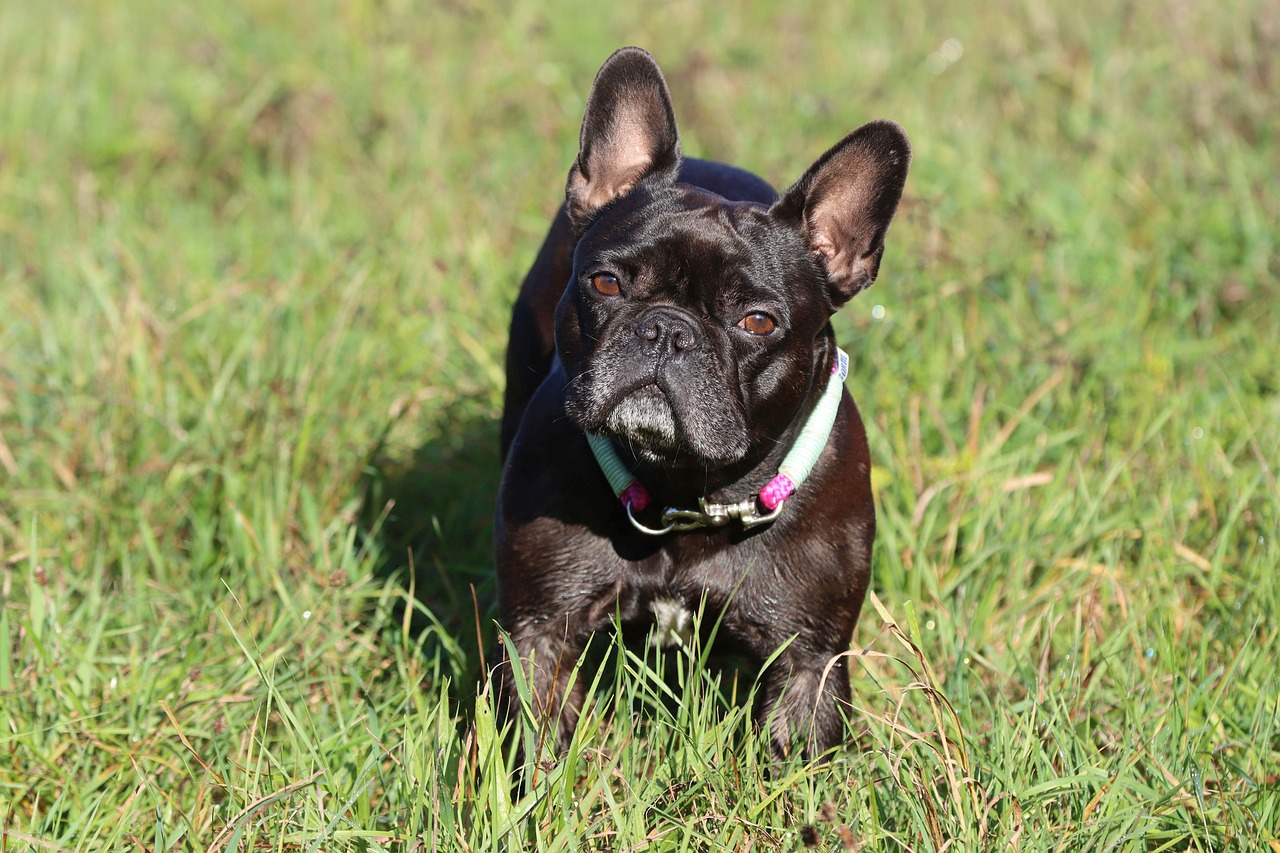
# Should I Get a French Bulldog?
Yes — if you want a devoted, funny, low-exercise companion and you can comfortably afford breed-specific vet care and never leave them alone for long stretches. No — if you want a jogging partner, a dog that tolerates heat, or a pet you can leave for ten hours a day. French Bulldogs are wonderful for the right household and genuinely difficult for the wrong one. This guide walks through exactly what you’re signing up for.
What Kind of Owner Is a French Bulldog Actually Right For?
A French Bulldog fits a homebody or remote worker in a mild climate who wants a constant companion, doesn’t mind snoring, and can budget for insurance and potential surgery. They are a poor fit for long-distance runners, people who work long office hours, and anyone in a hot, humid region without air conditioning.
Let’s break that down, because “companion dog” gets thrown around loosely.
French Bulldogs were bred to be lap dogs and companions — not working dogs. That history shows up in everything. They want to be in the same room as you, usually touching you. Owners who work from home often find the dog sleeps under the desk all day and follows them to the bathroom. That’s the breed working as designed.
The flip side is real: this is one of the more separation-anxiety-prone breeds. A Frenchie left alone for a standard nine-hour workday frequently develops destructive chewing, barking, or house-soiling. If your schedule means the dog is alone most of its waking hours, this is probably the wrong breed for you — not because the dog is bad, but because you’d both be miserable.
The right owner usually looks like this:
- Home most of the day, or able to arrange a midday dog walker or daycare
- Lives somewhere that doesn’t hit 90°F+ regularly, or has reliable AC
- Wants a dog to hang out with rather than one to exercise with
- Has a realistic monthly budget for breed-specific health costs
- Is patient and enjoys reward-based training rather than expecting instant obedience
The wrong owner usually looks like this:
- Runs or hikes long distances and wants a dog alongside
- Works long hours away from home
- Lives in a hot climate without cooling
- Wants a dog that can be left in a yard all day (Frenchies are terrible outdoor dogs — they overheat and they want to be inside with you)
- Is on a tight budget
How Much Does a French Bulldog Really Cost?
Expect roughly $1,500–$5,000 to buy a French Bulldog from a responsible breeder, then $1,500–$3,000+ per year in ongoing costs — and that’s before any major health event. Insurance or a dedicated savings fund isn’t optional with this breed; it’s the difference between affording treatment and not.
The purchase price gets all the attention, but it’s the smallest number in the equation over a dog’s lifetime. Here’s a realistic breakdown:
| Cost Category | Typical Range | Notes |
|---|
—
| — |
|---|
$1,500–$5,000
| Health-tested parents cost more; “cheap” puppies often mean expensive problems |
|---|
$200–$600
| Rescues exist; waitlists are common |
|---|
$40–$90/month
| Many Frenchies need limited-ingredient or allergy-friendly diets |
|---|
$40–$100/month
| Premiums are higher for brachycephalic breeds |
|---|
$300–$600/year
| Exams, vaccines, preventatives |
|---|
$20–$40/month
| Skin folds need regular cleaning |
|---|
$150–$400 one-time
| Flat-faced dogs need a harness, never a neck collar for walks |
|---|
$0–$10,000+ | IVDD surgery, BOAS surgery, C-sections are all common |
Two line items deserve emphasis. First, many Frenchies can’t give birth naturally — their heads are too large for the birth canal — so C-sections are routine, which is part of why puppies are expensive and why responsible breeders charge what they do. Second, IVDD (intervertebral disc disease) is a genuine concern in the breed, and spinal surgery can run into the thousands.
If a $4,000 emergency would wreck you financially, get insurance before you get the dog — not after the first incident, because pre-existing conditions won’t be covered.
What Health Problems Should You Expect With a French Bulldog?
French Bulldogs are one of the least healthy breeds, largely because of how they’re built. The flat face causes [breathing problems (BOAS)](https://pawsandwhiskerss.online/why-do-french-bulldogs-have-breathing-problems/), the compact spine predisposes them to IVDD, the skin folds trap moisture and bacteria, and allergies are extremely common. None of this means don’t get one — it means go in with open eyes and insurance.
Let’s go through the ones you’ll actually encounter.
Brachycephalic Obstructive Airway Syndrome (BOAS). This is the big one. The shortened skull means narrowed nostrils, an elongated soft palate, and a compressed airway. Signs include loud breathing at rest, snoring, snorting, gagging, exercise intolerance, and overheating fast. Some dogs need surgery to open the nostrils or trim the soft palate. This isn’t cosmetic — it’s about whether the dog can breathe comfortably.
IVDD. The breed’s screw-tail and compact body come with a spine that’s prone to disc herniation. Signs are sudden yelping, reluctance to move, wobbling, or — worst case — dragging the back legs. This is a genuine emergency. If your Frenchie suddenly can’t walk normally, that’s a same-day vet visit, not a wait-and-see.
Skin fold dermatitis. The wrinkles on the face and tail fold trap moisture, yeast, and bacteria. Owners need to dry and clean folds regularly, especially after eating, drinking, or swimming.
Allergies. Frenchies are notoriously allergic — to food proteins, environmental pollen, dust mites. Symptoms are itching, paw chewing, ear infections, and red skin. Many end up on [prescription diets](https://pawsandwhiskerss.online/what-can-a-french-bulldog-not-eat/) or allergy medication.
Cherry eye. A prolapsed gland in the third eyelid that appears as a red lump in the corner of the eye. It often needs surgical correction.
Heat sensitivity. Because they can’t cool themselves efficiently through panting, Frenchies overheat dangerously fast. This is a life-threatening issue, not a comfort issue.
This is general breed information, not medical advice. Any breathing difficulty, sudden back pain, or inability to walk warrants a vet — and for breathing or spinal symptoms, an emergency vet rather than a wait-and-see approach.
How Much Exercise Does a French Bulldog Need?
French Bulldogs need surprisingly little: two short walks of 15–20 minutes per day, plus [indoor play](https://pawsandwhiskerss.online/why-do-frenchies-get-zoomies/), is plenty for most adults. The critical rules are to avoid heat, avoid long stretches of vigorous activity, and never push a Frenchie that’s panting heavily or lagging.
This is where Frenchies differ sharply from most dogs. A Labrador that’s tired still wants more. A Frenchie that’s overheating will keep going until it collapses, because the breed is stubborn and people-pleasing in equal measure. You have to be the one who calls it.
A realistic daily routine for an adult Frenchie:
- Morning: 15-minute sniffy walk before the day heats up. Let them stop and smell — mental stimulation tires a Frenchie more than distance.
- Midday: A short pee break or indoor play. If it’s hot, keep it indoors in AC.
- Evening: Another 15–20 minute walk once the pavement has cooled. Test pavement with the back of your hand — if it’s too hot for you, it’s too hot for paws.
- Throughout: Short training sessions (5 minutes, a few times a day) using treats. Frenchies are food-motivated, so this works beautifully and burns mental energy.
Rules that aren’t negotiable:
- No walks in peak heat. Early morning and after sunset, or indoors only.
- No jogging. This breed is not built for sustained running.
- Watch for heavy panting, blue-tinged gums, wobbling, or collapse — those are overheating signs. Cool them with water (not ice-cold), get them into AC, and call a vet if it doesn’t improve quickly.
- Puppies need even less: short play sessions with lots of rest, and no long walks until their joints are mature.
Are French Bulldogs Hard to Train?
They’re moderately difficult — not because they’re dumb (they’re sharp), but because they’re stubborn and easily bored. Reward-based training with high-value treats works well. Harsh corrections backfire badly with this breed, producing a shut-down or defiant dog.
The stubborn streak is real and it’s the number one thing new owners underestimate. A Frenchie hears you, understands you, and decides whether your request is worth its time. This is why treat-based training is so effective — you’re negotiating, and food is your currency.
What actually works:
Crate training is worth doing early, both for house-training and because a Frenchie that panics when alone needs a safe space. [LINK: french bulldog crate training guide]
Can French Bulldogs Be Left Alone?
Short periods, yes — a few hours at most for most Frenchies. Long daily absences are where this breed struggles. They bond intensely to their people and are [prone to separation anxiety](https://pawsandwhiskerss.online/why-do-french-bulldogs-have-separation-anxiety/), which shows up as barking, chewing, house-soiling, and sometimes self-injury.
If you must be away, build it up gradually. Start with ten minutes, then twenty, then an hour, always returning calmly. Leave a frozen stuffed toy to occupy them. Consider a midday walker or daycare if you’re gone more than four or five hours. A second dog sometimes helps — but sometimes makes it worse, so don’t assume it’s a fix.
Crating a Frenchie with separation anxiety can make things worse if the dog isn’t already comfortable in the crate. Build positive crate associations first, and if the anxiety is severe, that’s a case for a veterinary behaviorist rather than a YouTube tutorial.
French Bulldog Pros and Cons at a Glance
| Pros | Cons |
|---|
—|
| Extremely affectionate and people-focused | Prone to separation anxiety |
|---|
Cannot tolerate heat or long activity |
| Minimal grooming | Skin folds need regular cleaning |
|---|
Stubborn; training takes patience |
| Quiet, low-barking for a small dog | Snoring, snorting, and breathing issues |
|---|
High lifetime vet costs and health risks |
| Genuinely funny personality | Can’t be left alone all day |
The Bottom Line
Get a French Bulldog if you want a Velcro companion, you’re home most of the day, you live somewhere cool enough, and you can afford insurance plus potential specialty care. Skip the breed if you want an exercise buddy, you’re away long hours, or a major vet bill would be financially devastating. The breed is honest about what it needs — the question is whether your life matches.
Frequently Asked Questions
Q: Are French Bulldogs good with kids?
Generally yes — they’re affectionate and sturdy enough for gentle play. But they’re small and can be injured by rough handling, and their flat faces mean they can’t tolerate being chased or over-exerted. Supervise young children and teach them not to grab the dog or play near the face.
Do French Bulldogs shed a lot?
They shed moderately year-round despite the short coat, and shedding often increases seasonally. Weekly brushing with a rubber curry brush helps, and regular bathing keeps the skin folds clean. They’re not hypoallergenic, so don’t get one expecting an allergy-free home.
How long do French Bulldogs live?
Typically around 10–12 years, though the breed’s health challenges mean some live shorter lives and quality of life varies. Lifespan is heavily influenced by weight management, breathing surgery when needed, and early treatment of spinal or skin issues.
Can I take my French Bulldog running or hiking?
No — not sustained running or strenuous hiking. Their flat-faced anatomy makes breathing inefficient, and they overheat quickly. Short, gentle walks in cool conditions are appropriate. For anything more intense, this is the wrong breed.
Related: Siberian Cat Cost: What You’ll Really Pay in 2024
Related: How to Train a French Bulldog Puppy: Complete Guide
Leave a Reply